 Add Row
  Add
Add 



Did you know that the average health care cost for a dental implant in the U.S. can range from $3,000 to $6,000—while in some countries it’s less than half this amount? For many patients, the care cost shock isn’t limited to specialized procedures like dental implants—routine visits, urgent care, and even basic checkups can yield wildly unpredictable health care costs depending on where you go and what health system you’re in. But why do costs vary so much between clinics and systems? This article reveals the hidden drivers of cost disparities, breaks down the myths of “pay more, get more,” and introduces solutions—like mono dental implants—that put power and affordability back into the patient’s hands.

Did you know that the average health care cost for a dental implant in the U.S. can range from $3,000 to $6,000—while in some countries it’s less than half this amount?
Startling Facts: The Hidden Truths Behind Health Care Costs in the United States
Every year, Americans spend trillions on health care costs. If you’ve ever asked yourself, “Why do costs vary so much between clinics and systems?”—you’re not alone. Reports show that two patients might pay dramatically different prices for the same treatment, even in the same city, depending on factors like their insurance plan, clinic location, and technology used. Beyond dental care, everything from routine bloodwork to emergency surgeries can swing hundreds—sometimes thousands—of dollars. Even with initiatives like the Affordable Care Act, U.S. health care cost unpredictability persists. So how can you, as a patient, make sense of the system and protect yourself from unexpected medical bills? The answer lies in understanding what’s behind these cost fluctuations—and taking proactive steps to demand price transparency and seek innovative, affordable care.

What You'll Learn: Demystifying Why Costs Vary So Much Between Clinics and Health Systems
Key factors influencing health care costs and care cost differences
How technology, price transparency, and insurance coverage alter the patient experience
Comparative insight into health care systems—plus unique perspectives from Dr. Jared Van Ittersum, DDS
Understanding the Basics: What Drives Health Care Cost Disparities?
Defining Care Cost and Health Care Costs: Terms Every Patient Should Know
To understand why costs vary so much between clinics and systems, it’s vital to grasp how care cost is calculated. Health care cost refers to the total expenses associated with delivering a medical service or treatment—which includes everything from provider fees and facility overhead to supplies, insurance billing, and administrative work. When you receive a medical bill, you’re actually seeing the sum of several internal costs: the direct charge for medical services, overhead for running the clinic, the negotiated rates your insurance company settled with the provider, and—sometimes—padding for uncertainty or risk. These costs can differ dramatically even for identical services across clinics, especially if one provider invests in advanced facilities, employs more specialized staff, or takes part in different health system models. Recognizing these variables empowers you as a patient to ask questions, compare clinics, and demand transparent price transparency for your care. Remember, understanding care cost is the first step toward making informed choices in the complex U.S. health system.
The Role of Health System Models: Comparing U.S. and Global Health Systems
The type of health system in play directly impacts both quality of care and out-of-pocket health care costs. In the United States, a primarily private insurance model means prices for services are negotiated between insurance companies and care providers, often lacking transparency. Other countries may use public, single-payer models that set standardized rates and lower cost variations. For example, in the U.K.’s National Health Service, most health care services have fixed prices, making bills far more predictable. In hybrid systems such as those found in Germany or France, both public and private insurance options exist, providing tiers of access and varied price points for patients. These structural differences explain why the U.S. stands out for its high health care costs—but also why some patients choose health tourism or cross-border care to find affordable care. No matter the system, however, hidden costs and a lack of price transparency can affect your final bill. This is why evaluating not just price, but also the quality of care and the innovation behind a clinic or system, is so critical for smart decision-making.

Quality of Care vs. Care Cost: Can You Truly Get What You Pay For?
Is paying more always a guarantee of better quality of care? The answer is complex. While higher prices can sometimes reflect investment in more advanced technology, specialist training, or higher accreditation standards, “more expensive” doesn’t automatically mean “better.” Some clinics may charge premium fees for reputation alone, while others offer higher success rates and patient satisfaction at a lower cost by leveraging innovative techniques or streamlined health system resources. Take dental implants: some U.S. clinics charge over $40,000 for full-mouth restorations using traditional systems, while modern approaches—like the All-on-1 Mono Full Arch—provide superior results for a fraction of the price. As a patient, it’s crucial not to equate cost with quality blindly. Instead, dig deeper: review outcomes, ask about credentialing, and request data on success rates. Remember, price transparency and a proven, patient-centered track record offer a more reliable path to real value than brand names or flashy marketing alone.
Top 7 Reasons Why Costs Vary So Much Between Clinics and Systems
Clinic Location and Health Care Market Dynamics
Variations in Health System Structures: Private, Public, and Hybrid Models
Provider Expertise and Training Levels
Technology Adoption, Facilities, and Equipment
Differences in Insurance Coverage and Policies
Quality of Care and Accreditation Standards
Hidden Fees and Price Transparency Practices

Case Example: All-on-4 vs. All-on-1 Mono Full Arch Systems – Which Delivers True Value?
To bring the cost-vs-quality discussion to life, let’s compare two leading dental implant systems: All-on-4 (AO4) versus the All-on-1 Mono Full Arch, as pioneered by Dr. Jared Van Ittersum. All-on-4, widely marketed in the United States, typically requires 4–6 implants per arch, extensive bone reduction, and, often, gum removal—resulting in higher surgical trauma, longer recovery, and frequent long-term maintenance fees. On the other hand, the All-on-1 Mono Full Arch System employs 8–10 minimally invasive mono implants that preserve bone and gum tissue, resulting in reduced post-op discomfort, more natural aesthetics, and earlier return to function. What’s crucial is that the All-on-1 system often costs up to 50% less than traditional AO4—without sacrificing success rates or durability. Patients not only save on the original procedure, but also avoid expensive annual maintenance or prosthetic replacement costs. For those seeking real value, technological innovation—not just sticker price—should be the deciding factor.
"Nothing is more beautiful or biologically stable than the tissue God gave you. Our job is to preserve it." — Dr. Jared Van Ittersum, DDS
Price Transparency in Health Care: A Crucial Factor in Understanding Costs
Price transparency isn’t just a buzzword—it’s your single most potent tool for managing health care costs and avoiding unnecessary medical bills. Clinics and hospitals vary in what they publicly reveal about their pricing, and many still don’t provide line-item breakdowns before treatment. For patients, this lack of information can lead to nasty surprises, potentially derailing finances or causing patients to delay care. Federal regulations now require hospitals to post standard charges online, but compliance is patchy and data often remains buried or confusing. When price transparency is prioritized, patients can compare care systems, evaluate cost-versus-value, and make empowered choices about where and how to receive health care services. The good news: leading clinics like Infinity Dental Implant Centers and the OPI Institute are championing open, up-front pricing—helping you reclaim control and secure affordable care without compromise.

The Push Toward Clearer Care Cost Information: What Are Clinics Required to Disclose?
Thanks to rising demand from both consumers and regulators, the tide is turning for price transparency in the U.S. health system. At minimum, clinics and hospitals are expected to publish gross charges, payer-specific negotiated rates, and discounted cash prices for their most common care services. Some progressive providers go further, offering real-time online quotes tailored to procedure type, insurance plan, and location. However, not all clinics comply or make information accessible, and distinctions between list price and actual out-of-pocket care costs can be blurred by insurance reimbursement rates, co-pays, and network agreements. As a patient, it’s your right to request estimates—preferably in writing—including a breakdown of all expected fees. Insist on clarity around not just the procedure, but also potential follow-up appointments, anesthesia, device upgrades, and annual maintenance. By demanding transparency, you move the entire health care market toward greater fairness and value.
How Price Transparency Impacts Insurance Coverage Decisions
Transparent pricing doesn’t just help patients—it also shapes the behavior of insurance companies. When care providers make their costs visible, insurers are forced to negotiate smarter, favor lower-cost yet high-quality clinics, and improve plan options. This can lead to more comprehensive insurance coverage and better value for patients—all while incentivizing clinics to become more competitive and efficient. Conversely, opaque pricing prevents effective cost comparison and often results in higher premiums, unpredictable bills, and delayed care. Patients looking to maximize their health insurance benefits should always seek out clinics that provide upfront, transparent pricing. It’s a win-win: you know what you’re paying for, and insurers can direct their networks toward providers that deliver better care for less.
Comparative Table: Dental Implant Care Costs – Traditional vs. Mono Full Arch System, United States vs. Abroad |
||||
System |
US Average Cost (Per Arch) |
Abroad Average Cost (Per Arch) |
Hidden Maintenance Fees |
Time Off Required |
|---|---|---|---|---|
Traditional All-on-4 |
$25,000 – $45,000 |
$12,000 – $17,000 |
Yes (prothesis removal, annual) |
Up to 2 weeks |
Mono Full Arch (All-on-1) |
$15,000 – $25,000 |
$6,000 – $9,000 |
No (maintenance included) |
24–48 hours |
Quality of Care and Affordable Solutions: The Critical Role of Innovation in Health Systems
Innovation is rapidly reshaping health care, driving costs down while improving outcomes. New techniques, digital technology, and tissue-preserving protocols now deliver superior quality of care at a fraction of the old health care cost. Clinics that adopt modern implant systems, like Dr. Jared Van Ittersum’s All-on-1 Mono Full Arch, have shown how breakthroughs can upend traditional pricing models and make top-tier results accessible to more Americans. But not all health system innovations are equal. The best advances prioritize the patient’s biological preservation, reduce trauma, and streamline the clinical process—creating time savings, faster healing, and, ultimately, lower out-of-pocket cost. Patients no longer need to compromise between cost and quality. Instead, seek out clinics and providers who invest in proven, minimally invasive solutions and who are transparent about both outcomes and fees.

How Innovation Drives Down Health Care Costs Without Sacrificing Quality
When clinics embrace true innovation, everyone benefits—patients save money, providers achieve better outcomes, and the entire health care system becomes more efficient. Technologies such as digital imaging, 3D printing, and tissue-level mono implants dramatically reduce surgical times, complexity, and required follow-up visits. For example, Dr. Van Ittersum’s All-on-1 Mono approach allows for same-day temporaries, minimal bone removal, and fewer complications—meaning less time off work, lower medication needs, and fewer emergency visits for complications. Crucially, there are no hidden annual maintenance fees, which can add thousands to a patient’s lifetime medical bill with legacy systems. When you choose providers who leverage innovation for patient benefit—not just profit—you get a more affordable, less traumatic, and more durable result.

Mono Dental Implants: A Patient-Centered Answer to Skyrocketing Health Care Cost
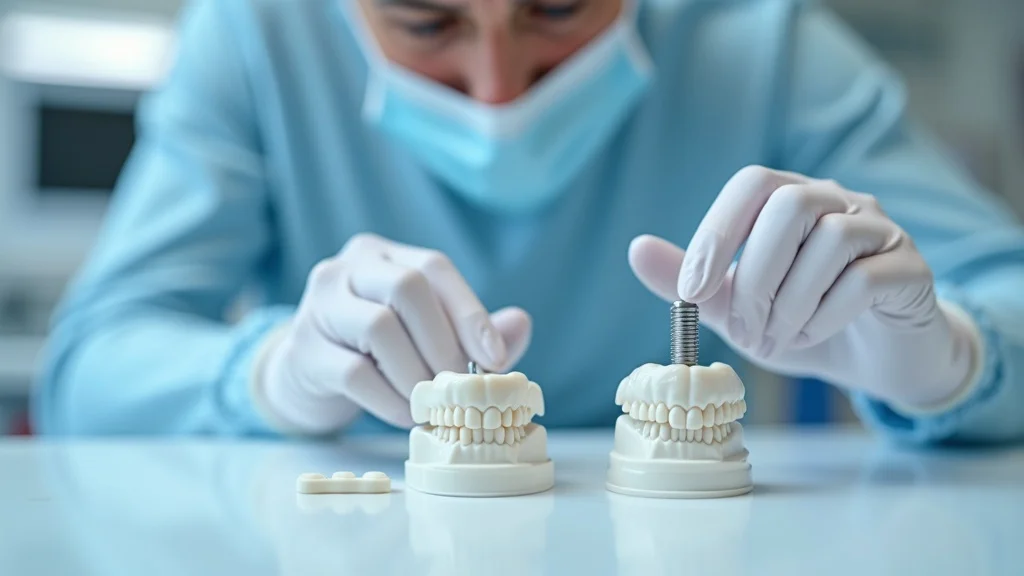
Mono dental implants represent a breakthrough in making full-mouth rehabilitation safer, less invasive, and far more affordable—right here in the United States. Led by Dr. Jared Van Ittersum and the Infinity Dental Implant Centers team, the mono approach offers major advantages over traditional systems: more implants per arch for greater durability, preservation of your body’s natural bone and gum tissue, tissue-level design that prevents gum inflammation, and a healing process so gentle that most patients return to normal activities within 48 hours. Unlike conventional systems that require ongoing costly maintenance, the mono system is engineered for long-term stability with a 25-year warranty. This is why patients nationwide are skipping dental tourism and trusting American innovation for health care solutions. If you want high-value, patient-focused care at a fraction of the typical dental implant care cost, mono dental implants are the clear answer.

People Also Ask: Popular Questions About Why Do Costs Vary So Much Between Clinics and Systems
Why do hospital costs vary based on insurance?
Insurance reimbursement rates, negotiation strategies, and contractual agreements with providers mean patients often see different health care cost figures for the same service. Deductibles and coverage exceptions further affect out-of-pocket spending.
Is it cheaper to go to urgent care or the little clinic?
Typically, urgent care centers offer broader medical services with higher health care costs, while retail clinics (like the ‘little clinic’) are designed for minor on-demand care and tend to charge less—though insurance coverage details and care cost exceptions can apply.

Why the U.S. healthcare system costs so much compared to the rest of the world?
The U.S. health system features high operational costs, price transparency issues, administrative complexity, and a fee-for-service model that incentivizes volume over value, resulting in inflated care costs by global standards.
Which healthcare system is the most expensive?
The United States health care system is widely regarded as the world’s most expensive, with health care cost per capita far exceeding other developed countries due to a combination of private insurance dominance, lower price transparency, and variable care cost structures.
FAQs on Why Do Costs Vary So Much Between Clinics and Systems
How can patients find transparent care cost information before treatment?
Start by visiting clinic websites—look for published pricing or request a written estimate. You can also call the office directly to request line-item breakdowns, and consult third-party price comparison tools or patient advocacy organizations for additional guidance.Do premium health systems guarantee better quality of care?
Not always. While some premium clinics invest in leading-edge technology or top-level talent, higher prices don’t automatically yield better outcomes. Review independent outcomes, satisfaction data, and ask about provider credentials before making your choice.What financial questions should I ask my clinic before agreeing to treatment?
Ask for all-inclusive treatment quotes, maintenance fees, post-op costs, and insurance coverage details. Clarify if there are fees for follow-up visits, anesthesia, or prosthesis removal, and always request payment plan options.Do mono dental implants offer the most cost-effective long-term solution?
For many full-arch patients, mono dental implants provide superior durability, aesthetic results, and maintenance-free performance—typically at a lower lifetime cost compared to traditional All-on-4 or AOX systems. Be sure to compare warranties, clinical track record, and provider expertise to ensure true value for your investment.
Key Takeaways: Choosing Smartly in a Fragmented Health Care Cost Environment
Not all high health care costs equate to higher quality of care
Price transparency and innovation (like Mono Dental Implants) are changing the patient experience
Understanding your clinic’s health system model and cost breakdowns empowers informed choices
Ready to Experience Affordable Dental Solutions? Call for a Free Consultation 616-843-5805
Discover how Dr. Jared Van Ittersum and the Infinity Dental Implant Centers team can help you unlock safe, affordable, and life-changing dental care. Don’t settle for inflated costs or hidden surprises. Call 616-843-5805 today for your free consultation and see how mono dental implants can put your health and finances back on track.




Write A Comment