 Add Row
  Add
Add 



Have you ever been told that you need a bone graft for dental implants—and wondered if there’s a less invasive, more affordable solution? For many, the conversation ends there, but innovation in implant dentistry now challenges this age-old assumption. If you or a loved one has experienced bone loss or was turned away due to insufficient bone, you may have new hope. In this comprehensive guide, we’ll explore whether mono implants can work even if you were previously told you need bone grafts—and why leading-edge approaches are revolutionizing smiles for patients once thought ineligible.
Questioning Conventional Wisdom: Introducing Mono Implants for Patients with Bone Loss or Bone Graft Needs
Challenging the Necessity of Bone Grafting for Dental Implants
Traditionally, significant bone loss or inadequate jawbone volume meant that bone grafting procedures—sometimes extensive, such as sinus lifts—were required before placing dental implants. This made the treatment more invasive, expensive, and out of reach for many. However, advances in implantology—namely, the development of mono implants—have allowed countless individuals to receive secure, life-changing restorations without the burden of traditional bone graft surgery. Can mono implants work even if I was previously told I need bone grafts? The answer, as you’ll discover, is more promising than ever thanks to modern techniques like those offered by Dr. Jared Van Ittersum and the All-on-1 Mono Full Arch System. If you’ve been told in the past you are not a candidate, it’s time to reconsider what’s possible for your smile.
What You'll Learn: Understanding the Potential of Mono Implants in Cases of Bone Loss and Bone Grafting
Whether mono implants can help you avoid a bone grafting procedure
How bone loss affects dental implant treatment outcomes
The difference between mono implants and conventional dental implants
Clinical insights from implant expert Dr. Jared Van Ittersum, DDS
Costs, benefits, and candidacy for mono implant solutions
Overview of Bone Grafts, Bone Loss, and Dental Implant Treatments
Why Bone Loss Leads to Bone Grafting in Traditional Dental Implants
To understand why bone grafts are often recommended for dental implant procedures, it’s important to grasp the relationship between jawbone health and tooth roots. When natural teeth are lost—whether from decay, trauma, or periodontal disease—the jawbone begins to deteriorate due to lack of stimulation. Over time, this bone loss can become severe, impacting not only the fit and function of traditional dental implants but also facial appearance and oral health. Historically, if bone density or volume was insufficient, surgeons would propose procedures like a sinus lift (especially for the upper jaw), socket grafts, or larger bone grafts using donor or synthetic graft material. These steps aimed to rebuild the foundation needed to securely anchor conventional implants, but also introduced more risk, cost, and prolonged recovery.
Bone Graft vs. Bone Grafting Procedure: Key Differences and When Each is Needed
The terms “bone graft” and “bone grafting procedure” are sometimes used interchangeably, but they refer to distinct concepts. A bone graft is the actual graft material—often processed bone from another part of the body, a donor, or synthetic alternatives—placed where bone loss has occurred. The bone grafting procedure is the surgical process of placing this new material to augment or repair deficient bone structure in the jaw. Indications for these procedures vary: socket grafts are often used immediately after tooth extraction to preserve bone, while larger block grafts or sinus lifts are needed when anchoring implants in areas with advanced loss, such as the upper jaw. Despite technological progress, these approaches carry increased treatment time, added recovery, and the potential for graft failure.
Comparison of Grafting Procedure Types and Their Indications |
||
Procedure Type |
Purpose |
Typical Indications |
|---|---|---|
Socket Graft |
Fills tooth extraction site to preserve bone |
Recent tooth loss, preparing for future implant |
Sinus Lift |
Elevates sinus membrane, adds graft material in upper jaw |
Severe upper jaw bone loss, insufficient height for implants |
Block Bone Graft |
Transplants a block of bone to wide/long defects |
Major jawbone deficiency, trauma, or failed previous graft |
Bone Grafting Procedure |
General term for surgically adding bone or synthetic material |
Any situation where bone volume must be restored |
Understanding Mono Implants: A Solution for Patients Facing Bone Grafting
How Mono Implants Bypass the Need for Traditional Bone Graft Procedures
Mono implants (sometimes called one-piece implants) are reshaping the landscape for patients with bone loss who have been told they need a bone graft. Unlike traditional dental implants that require two pieces and a certain amount of bone for secure anchorage, mono implants are a single, ultra-strong structure. Their design allows for placement in areas of reduced bone density—directly engaging the denser, more stable cortical bone—and they do not require the volume necessary for conventional screw-type implants. This means the grafting procedure can often be entirely avoided, even in challenging cases like severe upper jaw atrophy or where a sinus lift was previously suggested. For those seeking to avoid lengthy, costly, and sometimes risky bone grafting procedures, mono implants represent a significant leap forward.
Mono Implants vs. Conventional Dental Implants: Addressing Bone Loss
How do mono implants deliver secure, lasting results in the face of bone loss? Their breakthrough comes from several engineering innovations:
Tissue-level design: This places the implant’s “collar” above the bone line, which reduces inflammation risk and helps prevent peri-implantitis—a common culprit in implant failure.
Isoelastic flexibility: Mono implants flex with your natural bone, closely mimicking the stimulation that a natural tooth root provides. This “stress-sharing” prevents stress shielding, helping maintain bone tissue health over time.
Minimally invasive surgical approach: Without the need for extensive drilling, bone removal, or gum flaps, these implants offer a gentler procedure, faster healing, and less swelling—a true game changer for those with systemic health risks or fear of surgery.
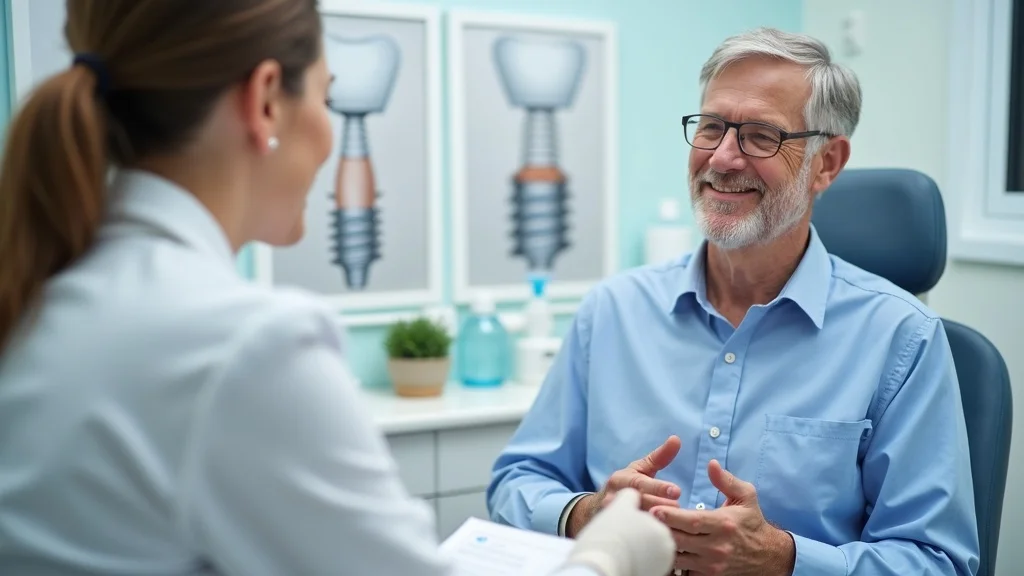
The Implant Procedure: How Mono Implants Adapt to Upper Jaw, Sinus Lift, and Severe Bone Loss
Mono Implants in Cases Where Sinus Lift or Extensive Bone Grafting Was Previously Recommended
One of the most significant hurdles in dental implantology is the upper jaw—particularly the area beneath the sinus cavities. Historically, when bone volume was insufficient, a sinus lift and/or multiple bone grafting procedures were needed just to allow placement of a conventional implant. Many patients endured months of recovery, multiple surgeries, and added costs, only to be told the graft failed or wasn’t possible due to poor healing. Mono implants solve this by their ability to span longer distances and anchor in remaining strong bone—directly engaging cortical layers even in thin or resorbed upper jaw sites. As a result, cases once thought impossible without a grafting procedure, including severe jaw bone loss, can now be treated successfully, often in a single visit.
Upper Jaw and Lower Jaw Solutions with Minimal Bone
Patients with significant atrophy or bone loss in both the upper and lower jaws are particularly good candidates for the mono implant solution. Instead of requiring separate surgeries and staged bone grafts, the All-on-1 Mono Full Arch System (pioneered by Dr. Jared Van Ittersum) distributes the biting force across more implants (8–10 per arch), improving durability and reducing the stress on any one point. The unique design means the implant procedure can often be completed without building up lost bone, providing life-changing support for those with a history of tooth loss, periodontal disease, or failed implants. Patients often leave with a secure, immediate temporary prosthesis—restoring not only function but confidence and aesthetics almost instantly.
Expert Insights from Dr. Jared Van Ittersum: The Science and Innovation Behind Mono Implants for Bone Loss
“Nothing is more beautiful or biologically stable than the tissue God gave you. Our job is to preserve it.” – Dr. Jared Van Ittersum, DDS
How Mono Implants Stimulate Bone and Prevent Future Bone Loss
Mono implant systems are crafted to maintain—not destroy—your natural tissues. The one-piece, tissue-level design creates a stable seal with your gums, dramatically reducing bacterial infiltration and long-term inflammation. But the real breakthrough is in how mono implants are engineered to flex with bone (isoelasticity). This mimics the mechanical relationship between natural teeth and bone, continuing to stimulate and preserve bone density for the long term. Where traditional implants may cause “stress shielding” (leading to bone resorption), mono implants keep your jawbone healthy, even in sites with previous bone loss or where a bone grafting procedure was considered impossible.
Stress-shielding vs. bone stimulation: Conventional implants transfer biting forces vertically, sometimes causing adjacent bone to shrink. Mono implants distribute those forces in a way that maintains stimulation—and retention—of the bone around the implant.
Customized care: Patients who are medically unable to receive a bone graft or who have experienced graft failure now have a tailored alternative with mono implants. This allows more people to reclaim their oral health, regardless of past setbacks.
Affordability and Accessibility: Mono Implants Without Bone Graft—A Cost Comparison
Cost Comparison: Mono Implants vs. All-on-4 vs. Traditional Dental Implants with Bone Grafting |
|||
Treatment |
Average Cost Per Arch |
Includes Bone Graft? |
Annual Maintenance Required? |
|---|---|---|---|
Mono Implants (All-on-1) |
$15,000–$18,000 |
No |
No (one-time cost, 25-year warranty) |
All-on-4 Implants |
$18,000–$30,000 |
Sometimes |
Yes (annual removal, cleaning fees) |
Traditional Implants with Bone Grafting |
$22,000–$35,000 |
Yes |
Possible (if prosthesis fracture/more surgery required) |
How Mono Implants Offer a More Affordable Solution Without Hidden Maintenance Fees
For many patients, cost is a critical barrier to getting dental implants. The complexity of conventional bone grafting procedures, the cost of premium graft materials, and longer recovery times drive prices even higher. By eliminating the need for any graft procedure and streamlining the surgical process, mono implants are up to 50% more affordable than traditional approaches. There are no annual fees for removing/cleaning the prosthesis, and patients enjoy a 25-year warranty with thin, custom zirconia restorations. Most receive a new, functional smile in just one day—and financing options make this solution accessible to more Americans. Mono implants redefine affordability and transparency for those previously priced out by traditional options.
Patient Experience: Mono Implant Procedure for Those Previously Told They Needed Bone Grafts
Real Cases: Transformative Results Without Bone Grafting Procedure
Stories abound of individuals who, after years of bone loss, failed grafts, or “not enough bone” diagnoses, finally find hope thanks to the mono implant solution. Dr. Jared Van Ittersum’s patients, often surprised at how minimally invasive the process is, report rapid recovery, minimal discomfort, and restored self-esteem. Many arrive with severe upper jaw bone loss or a compromised lower jaw, and leave with a secure, lifelike smile—with no bone graft, sinus lift, or stitches required. The emotional transformation—regaining the ability to eat, laugh, and smile freely after years of living with missing teeth or ill-fitting dentures—can be as profound as the clinical result.
Timeline: From Consultation to Smile—What Patients Can Expect
The mono implant process is designed for maximum convenience, safety, and predictability:
Free Consultation & 3D Imaging: Dr. Van Ittersum uses digital scans to map your bone structure and design a bespoke plan.
Implant Surgery: The implant procedure usually takes 1–2 hours per arch, with minimal swelling or downtime—patients return home the same day.
Immediate Temporary Prosthesis: Most leave surgery with a secure, beautiful smile already in place.
Healing Phase: Over several months, your body bonds with the implant. There’s no waiting for grafts to heal or risk of graft failure.
Final Zirconia Prosthesis: After osseointegration, a custom, permanent solution is delivered—blending perfectly with your facial features and gums.
People Also Ask: Addressing Common Questions About Mono Implants, Bone Loss, and Bone Grafting
Do you always need a bone graft when getting an implant?
Answer: Not always. Advances such as mono implants now provide options for many patients previously told they need bone grafts, especially in cases of moderate to advanced bone loss.
When is a dental bone graft not possible?
Answer: Severe bone loss, systemic health issues, or insufficient soft tissue may make bone grafting procedure risky or impossible. Mono implants provide an alternative for many of these patients.
How much is an implant without a bone graft?
Answer: Mono implants often cost up to 50% less than traditional implants with bone grafting due to fewer surgical steps and reduced need for complex graft materials.
What percentage of dental implants require bone grafts?
Answer: Approximately 30–50% of traditional dental implant cases require some form of bone graft. The advent of mono implant technology is rapidly decreasing this statistic.
FAQs: Mono Implants and Bone Graft Alternatives
Can anyone get mono implants if they’ve been told they don’t have enough bone?
Most patients who were previously considered ineligible for implants due to bone loss or failed bone grafts can now be treated successfully with mono implants. However, a thorough evaluation by a qualified implant specialist is required.Are mono implants FDA approved?
Yes, mono implants used by leaders such as Dr. Van Ittersum are FDA approved and have decades-long track records of success.How do I know if mono implants are right for me if I was recommended a bone grafting procedure?
A digital 3D scan and consultation can determine your candidacy. Mono implants are particularly valuable for those with limited bone, failed grafts, or systemic medical conditions.Do mono implants last as long as conventional dental implants?
International studies and clinical experience show mono implants to have equal or superior longevity, due to their one-piece, tissue-level design and natural bone stimulation.What should I expect during the grafting procedure if it’s still necessary?
If you require a graft for another reason, your dentist will guide you through the process. However, many patients find they can bypass this entirely with the mono implant approach.
Key Takeaways: Mono Implants vs. Bone Graft for Dental Implant Candidates
Mono implants can often bypass the need for bone grafts in cases of bone loss—especially upper jaw and full arch situations
Patients experience less downtime, fewer complications, and more affordable care without hidden maintenance costs
Dr. Jared Van Ittersum’s approach prioritizes natural bone and tissue preservation for healthier, more aesthetic results
Innovations in implant procedure design have expanded access for difficult cases—restoring hope for those denied traditional solutions
Transform Your Smile—Explore Mono Implants as an Alternative to Bone Grafting
“You no longer have to travel for affordable, advanced implant care. Mono implants make transformative dental solutions accessible and cost-effective—right here at home.”
Call for a free consultation 616-843-5805 or visit our site at https://drjaredvanittersum.com
If you’ve been told you’re not a candidate for dental implants due to bone loss or the need for a bone graft, don’t give up hope. Dr. Jared Van Ittersum’s patient-centered, minimally invasive mono implant system may be the breakthrough you’ve been waiting for—delivering a natural smile, renewed confidence, and lasting oral health with less risk and lower cost. Schedule your free consultation today!




Write A Comment