Add Row
Add Element
Logo
update
Dr. Jared Van Ittersum
cropper
update
Add Element
  • Home
  • Categories
    • mono dental implants
    • one piece implants
    • dental implants
Add Element
  • update
  • update
  • update
  • update
  • update
  • update
  • update
  • All Posts
  • mono dental implants
  • one piece implants
  • dental implants
October 25.2025
1 Minute Read

How safe is the All-on-1 mono implant procedure compared to traditional implants?

Did you know? Recent studies reveal that up to 28% of traditional dental implants can develop peri-implantitis—a chronic inflammatory condition—within just 10 years of placement. As dental technology evolves, patients and practitioners are questioning whether newer, less invasive solutions like the All-on-1 mono implant could offer a safer, longer-lasting alternative to conventional implants. This comprehensive guide examines how safe the All-on-1 mono implant procedure is compared to traditional implants, using the latest science, expert insights, and patient outcomes to help you make an informed decision about your smile.

What You'll Learn About All-on-1 Mono Implant Safety and Traditional Implants

  • The primary safety differences between All-on-1 mono implants and traditional dental implants

  • How mono implant design impacts healing and long-term results

  • Key scientific, clinical, and patient-centered evidence

  • Actionable insights from Dr. Jared Van Ittersum, a leading innovator in dental implant procedures

A Startling Fact: Dental Implant Complications and the Changing Landscape

“Recent studies show peri-implantitis can affect up to 28% of traditional implants within 10 years—raising urgent questions about implant safety and design innovations.” — Dr. Jared Van Ittersum

  • Growing popularity of mono implants versus traditional dental implant approaches

  • The importance of selecting the safest dental implant system for long-term wellbeing

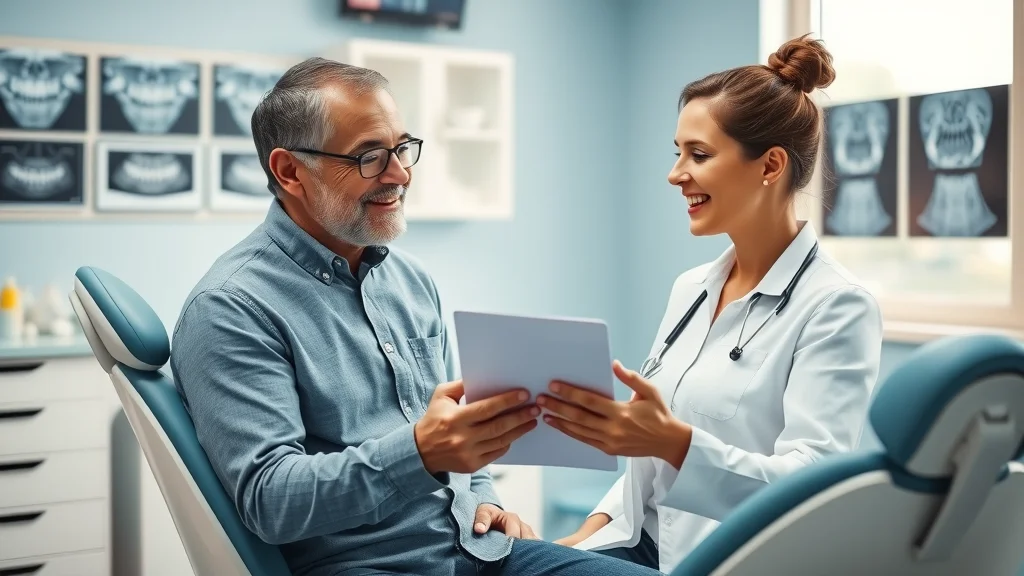
Modern dental clinic with advanced technology and confident dentist consulting a patient. All-on-1 mono implant safety illustration.

Introduction to Mono Implants and Traditional Implants: Defining the Procedures

Mono Implant Overview: All-on-1 Procedure Explained

  • How mono implants are placed and supported in the jaw

  • Technical features: one-piece, tissue-level, minimally invasive implant design

The All-on-1 mono implant is an innovative dental implant procedure designed for full-arch smile restoration with minimal trauma. This mono implant system features a one-piece design that is inserted into the jawbone in a single, tissue-level procedure. Unlike traditional dental implants, which often require multiple components and surgeries, the mono implant is placed using a minimally invasive approach. This means less gum and bone disturbance, and typically no need for complex bone grafting. The result is reduced postoperative discomfort, a shorter healing period, and lower risk of complications. For patients with missing teeth or those seeking an alternative to traditional implants, mono implants offer a reliable solution that closely mimics the feel and function of natural teeth.

A key feature of the All-on-1 system is its tissue-level placement, which preserves the patient’s soft tissue and bone structure. The implants offer flexibility and stability, distributing biting forces across the entire arch and reducing the chance of bone loss over time. This design not only simplifies the implant procedure but also supports healthier long-term outcomes by reducing microgaps where bacteria can accumulate, further lowering the risk of peri-implantitis compared to traditional dental implant systems.

Traditional Dental Implants: Description and Standard Protocols

  • All-on-4 and traditional full-arch approaches

  • Surgical method, bone reduction, and gum removal implications

Traditional dental implants—such as the All-on-4 or other full-arch approaches—typically involve multiple surgical steps and components. These implants require incisions, flap surgery, and often bone reduction or bone grafts to create enough space for placement. While this protocol has proven successful over decades, it is considerably more invasive than the All-on-1 mono approach. Patients may experience greater trauma to the gum and bone, which can result in more postoperative pain, swelling, and longer healing times. Additionally, removing healthy bone and gum tissue can set the stage for future complications, such as bone loss and increased susceptibility to infection.

The standard All-on-4 technique places four to six implants per arch, supporting a full set of prosthetic teeth. However, this often leads to a “pink” prosthesis to replace lost gum tissue, resulting in less natural aesthetics. Traditional dental implant protocols are effective for certain complex cases, especially when significant bone loss or poor bone density exists. However, the trade-off can include extended downtime, higher maintenance costs, and increased risk of soft tissue complications compared to the more biologically considerate mono implant procedure.

Comparing Safety: How Safe is the All-on-1 Mono Implant Procedure Compared to Traditional Implants?

  • Surgical invasiveness and patient recovery

  • Incidence of infection, peri-implantitis, and implant failure

  • Rates of implant rejection and complications

When evaluating how safe is the All-on-1 mono implant procedure compared to traditional implants, surgical invasiveness and patient recovery are critical factors. The mono implant system is intentionally designed to minimize disruption to both bone and gums. By avoiding the need for gum flaps and extensive bone reduction, the All-on-1 procedure leads to significantly less trauma. This translates into faster recovery times, less swelling, and a lower likelihood of postoperative complications—important considerations for patients with existing health risks or those seeking a return to normal activity quickly.

Of equal concern is the risk of infection, particularly peri-implantitis—a chronic inflammation that can cause dental implant failure. The tissue-level, one-piece design of mono implants virtually eliminates microgaps where bacteria might enter, offering a robust seal that traditional, multi-component implant systems sometimes struggle to maintain. These design improvements mean lower rates of infection, fewer complications, and reduced probability of implant rejection. Long-term clinical studies show that mono implants have lower failure rates and a more favorable risk profile compared to traditional dental implants, making them an increasingly popular and safe choice for full-arch restoration.
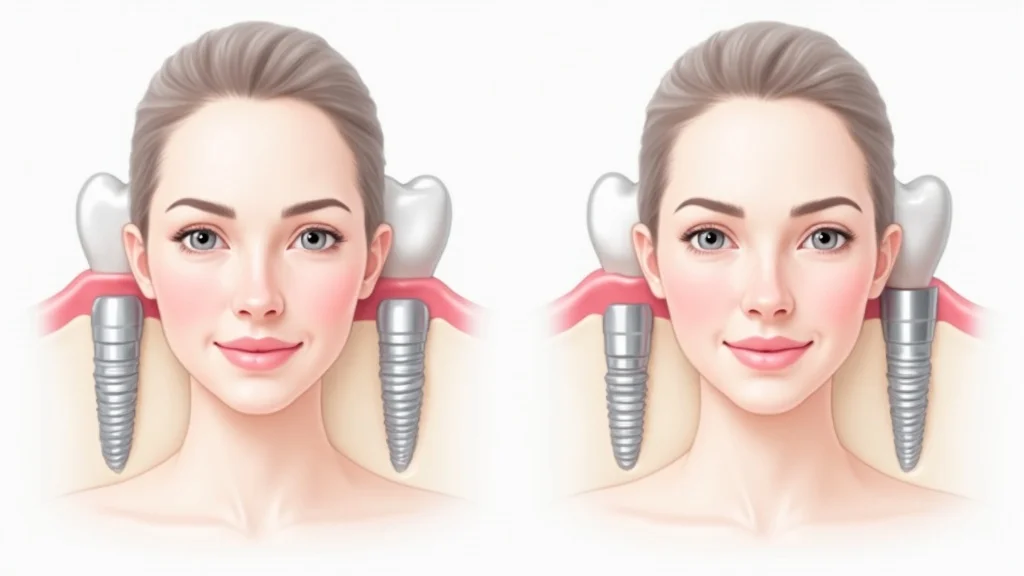
Side-by-side cross-section: mono implant preserves gum and bone vs. traditional implant with bone reduction. High clarity detail on mono and traditional dental implant differences.

Engineering Precision: Why Mono Implants Offer Biological Advantages

  • Tissue preservation with mono implants versus gum/bone removal

  • Bio-mechanical match: Implant elasticity versus stress shielding in traditional implants

  • How mono implants reduce microgaps and bacterial contamination

The engineering behind mono implants is rooted in the principle of biological preservation. Unlike traditional implant procedures that require significant gum and bone removal, mono implants are placed at the tissue level, preserving as much of the patient’s natural anatomy as possible. This approach maintains the blood supply, reduces the risk of soft tissue recession, and supports a healthier environment for long-term oral health. The one-piece design eliminates connections between abutment and implant—areas in traditional systems where microgaps can allow bacterial pollution.

Another major advantage of mono implants is their isoelastic flexibility. Traditional implants—being rigid—can create a phenomenon called “stress shielding,” where biting forces are not adequately transmitted to the surrounding bone, leading to bone loss over time. Mono implants, by contrast, match the natural elasticity of bone, maintaining healthy stimulation and supporting continued bone density. This natural-like movement ensures that bone is not lost from disuse, as is possible with more rigid traditional dental implants. By reducing microgaps, mono implants further lower the possibility of bacterial contamination and peri-implantitis, reinforcing their superior safety profile in the long run.

Healing Period and Recovery: How Safe is the All-on-1 Mono Implant in Practice?

Healing period differences: What to expect from each procedure

  • Immediate loading of mono implants

  • Postoperative pain, swelling, and downtime

  • Complication risks during healing period

One of the standout features of the All-on-1 mono implant system is the immediate loading protocol. In most cases, patients leave surgery with a secure, functional temporary prosthesis on the same day. This is made possible by the mono implant’s one-piece, high-strength design, which allows immediate placement of a temporary bridge. Postoperative discomfort is generally mild—most patients report little swelling or pain, with many returning to normal activities within 24–48 hours. The healing period for mono implants is thus considerably shorter and more comfortable than for traditional approaches.

Traditional dental implants, in contrast, often require staged surgeries with a longer healing time. Patients may wait weeks or months between implant placement and fitting of the prosthetic teeth, often encountering significant swelling, discomfort, and dietary restrictions. The surgical trauma from bone reduction or gum flap procedures increases the risk of pain, infection, and implant failure during this vulnerable period. Additionally, postoperative complications like implant mobility, soft tissue problems, or infection are more frequent in traditional implant procedures, underlining the safety and speed advantages mono implants offer.

Durability and Long-Term Safety of Mono Implants Versus Traditional Implants

  • Decades-long global track record of mono implants

  • All-on-1 mono implant system’s 25-year warranty versus typical outcomes

  • Longevity, bone retention, and tissue health

Mono implants have enjoyed worldwide adoption since the 1990s, with a proven record of durability and patient satisfaction. International studies confirm that these implants maintain high survival rates for twenty years or more, rivaling or even exceeding conventional systems. The All-on-1 mono implant system specifically includes a 25-year warranty—a testament to engineering confidence and robust clinical results. Compared to typical outcomes with traditional implants, which can require maintenance or replacement due to bone loss or complications, mono implants stand out for their consistency and engineered longevity.

Preserving bone and supporting gum health are crucial for the long-term success of any dental implant. With mono implants, bone retention is enhanced by the tissue-level design and the stimulation provided by their elastic match to bone. This maintains overall oral health, prevents the unwanted esthetic changes of bone loss, and reduces the need for future bone grafting or soft tissue augmentation. In essence, mono implants offer a future-proof choice for patients seeking a low-maintenance, reliable tooth replacement solution that keeps their smile healthy and natural for decades.

Happy middle-aged patient smiling confidently after mono implant dental procedure, representing long-term success and safety. Outdoor meal and restored oral health.

Patient-Centered Outcomes: Satisfaction, Lifestyle, and Emotional Impact

  • All-on-1 mono implant effect on daily life and confidence

  • Traditional implants: patient experiences and complication concerns

For those living with missing teeth or the frustration of failing dental work, the All-on-1 mono implant can be truly life-changing. Patients report dramatic improvements in daily function—enjoying foods they once avoided, speaking clearly, and regaining the self-assurance that comes from a confident smile. The quick recovery and natural feel of mono implants mean a smoother emotional journey. Dr. Jared Van Ittersum, a pioneer in the field, says:

“Nothing is more beautiful or biologically stable than the tissue God gave you. Our job is to preserve it.” — Dr. Jared Van Ittersum

Traditional dental implants can deliver excellent results for many, but the risk of complications—long healing, maintenance visits, and even prosthesis failures—can be stressful. Stories of painful postoperative periods, food restrictions, or ongoing gum issues are not uncommon. The mono implant’s minimally invasive nature, lower complication rate, and commitment to preserving natural tissue consistently lead to higher patient satisfaction and emotional wellbeing, as noted in numerous patient testimonials and clinical reviews.

Cost, Accessibility, and Affordability: Are Safer Solutions Out of Reach?

  • Why the All-on-1 mono implant can be up to 50% less expensive

  • Flexible financing and avoiding dental tourism

  • Hidden maintenance and annual costs in traditional protocols

One of the misconceptions about advanced implant solutions is that they are out of reach for most Americans. But the All-on-1 mono implant system redefines affordability. Thanks to engineering simplicity and fewer surgical steps, the cost can be up to 50% less than traditional All-on-4 and full-arch restoration protocols. Flexible financing options—such as monthly payment plans—reduce the need for risky dental tourism and empower patients to receive state-of-the-art care close to home.

Traditional dental implants, with their complex surgical and maintenance needs, often come with hidden annual costs. Patients must budget not only for the initial procedure but for regular prosthesis removal, cleaning, and potential repairs—expenses that add up rapidly. By contrast, mono implants minimize the need for such interventions, sparing patients both financial strain and inconvenience. As Dr. Van Ittersum puts it:

“You no longer have to travel to Mexico or Turkey for an affordable full-mouth implant solution. You can get it done safely here, with American doctors, American materials, and FDA-approved systems.” — Dr. Jared Van Ittersum

Understanding the Implant Procedure: All-on-1 Mono vs. Traditional Implant Placement

  • Digital planning and custom 3D CBCT scan

  • Surgical differences: flapless mono implant placement vs. traditional incisions

  • Same-day digital temporary prosthesis for mono implants

The implant procedure begins with advanced digital planning, including a precise 3D CBCT scan to map bone density and structure. For All-on-1 mono implants, this information guides a flapless, highly targeted surgical placement. The process conserves gum and bone, eliminates the need for extensive incisions, and allows most patients to receive a functional temporary prosthesis on the same day. This means immediate improvement in smile aesthetics and oral function, plus reduced pain and downtime.

In traditional implant surgery, multiple appointments and staged surgeries are often required. Gum flaps are raised, and bone reshaping or augmentation may be needed—steps that increase healing time and risk of postoperative complications. The process from tooth loss to final prosthetic can be lengthy, requiring months of dietary adjustments and numerous dental visits. Mono implants help patients avoid this prolonged inconvenience, providing a safer, more efficient journey to a healthy new smile.

Scientific Evidence: What Do Studies Say About Mono Implants and Safety?

  • International research on mono implant longevity and outcomes

  • Comparative failure and complication rates: Mono vs. traditional dental implants

  • Peri-implantitis risk assessment and tissue-level sealing

Decades of global research support the safety and effectiveness of mono implants. Numerous studies report excellent long-term survival rates, often matching or exceeding those of traditional dental implants. Key to their performance is the tissue-level, one-piece design, which seals the interface between the implant and the soft tissue, preventing bacteria from reaching and infecting the underlying bone.

When comparing complication and failure rates, mono implants emerge favorably. International data indicate lower frequencies of peri-implantitis, infection, and mechanical failure compared to traditional implants. Their design supports the body’s natural healing while avoiding the risks introduced by multiple abutment connections or invasive bone reduction. For patients seeking a statistically safer, more predictable outcome, the scientific consensus is clear: the All-on-1 mono implant system is a leading solution in modern implant dentistry.

Expert Insights: Dr. Jared Van Ittersum’s Patient-Centered Philosophy

  • Focus on biological preservation and engineering precision

  • Compassionate, customized care for failing or missing teeth

Dr. Jared Van Ittersum embodies the new standard in dental implantology—one that emphasizes biological preservation and engineering precision. His philosophy centers on maintaining as much of the patient’s natural anatomy as possible, ensuring not just functional restoration but true aesthetic harmony. By minimizing trauma, leveraging advanced digital workflows, and delivering highly customized prosthetics, Dr. Van Ittersum offers compassionate care and consistently life-changing results for patients with missing teeth or failing dental work.

All treatments are personalized through a comprehensive consultation, state-of-the-art imaging, and 3D planning. The result: maximum safety, rapid return to daily life, and smiles that look and feel incredibly natural. Dr. Van Ittersum’s dedication to innovation and patient education is transforming dental implant care—making world-class outcomes accessible, affordable, and remarkably gentle.

“You no longer have to travel to Mexico or Turkey for an affordable full-mouth implant solution. You can get it done safely here, with American doctors, American materials, and FDA-approved systems.” — Dr. Van Ittersum

Table: Side-by-Side Comparison of All-on-1 Mono Implant vs. Traditional Implants

Criteria

All-on-1 Mono Implant

Traditional Implant

Notes

Safety

High; minimally invasive, low infection risk

Moderate; more invasive, higher peri-implantitis risk

Mono implants limit trauma and microgaps

Invasiveness

Low; flapless, tissue-preserving

High; bone/gum removal required

Greater preservation with mono design

Recovery Time

24-48 hours to soft foods

Weeks to months

Mono allows immediate loading

Infection Risk

Very low

Moderate to high

One-piece design reduces bacterial entry

Longevity

25+ years (with warranty)

10-20 years (some maintenance needed)

Studies show excellent track record

Cost

Up to 50% less expensive

Higher; often added maintenance fees

Mono implants are more affordable

Patient Satisfaction

High; life-changing in most cases

Variable; concerns with aesthetics/comfort

Less bulky prosthetics with mono

Maintenance Needs

Minimal

Annual prosthesis cleaning/removal common

Mono designs require less upkeep

Lists: Pros and Cons of All-on-1 Mono Implant vs. Traditional Implants

  • Pros of All-on-1 mono implants: minimal trauma, fast healing, cost effectiveness, biological stability

  • Cons of All-on-1 mono implants: not suitable in every case, specialized provider required

  • Pros of traditional dental implants: established protocol, suitable for complex cases with bone loss

  • Cons of traditional dental implants: invasive, longer healing, high maintenance, potential for more complications

People Also Ask: Dental Implant Safety Questions Answered

What is the safest type of dental implant?

  • Scientific research and clinical outcomes point to mono implants as one of the safest dental implant types available today. Their minimally invasive, tissue-level design reduces complications associated with bone loss, peri-implantitis, and infection. However, there are scenarios—such as severe bone deficiency—where traditional implants with bone grafts may be indicated. Choosing an experienced provider is crucial to ensure your individualized treatment plan delivers safe, successful results.

Are screwless implants better than traditional ones?

  • Screwless (mono) implants offer distinct benefits: fewer connections, no abutment screws to loosen or harbor bacteria, and a simple, one-piece structure that mimics natural teeth. This design reduces failure rates and soft tissue complications. However, traditional dental implants remain appropriate for certain complex, multi-unit restorations where modularity is required. Overall, for most full-arch cases, mono implants provide superior safety and lower maintenance needs.

What I wish I knew before dental implants?

  • Patients and clinicians alike wish they understood the impact of surgical invasiveness, the difference in healing times, and long-term maintenance requirements. Many regret not exploring less invasive options sooner. With mono implants, recovery is swift, and fewer restrictions are placed on daily life. Understanding all options and setting realistic expectations for healing and care are key to patient satisfaction and successful outcomes.

What are the dark side of dental implants?

  • Risks like infection, bone loss around implants, and annual maintenance costs can challenge traditional dental implants. Poor implant placement or poor oral hygiene can contribute to these complications. Mono implants reduce many of these risks through tissue preservation, single-piece engineering, and lower rates of bacterial contamination—but it’s essential to choose a qualified provider and follow recommended care to minimize any “dark side” of implant therapy.

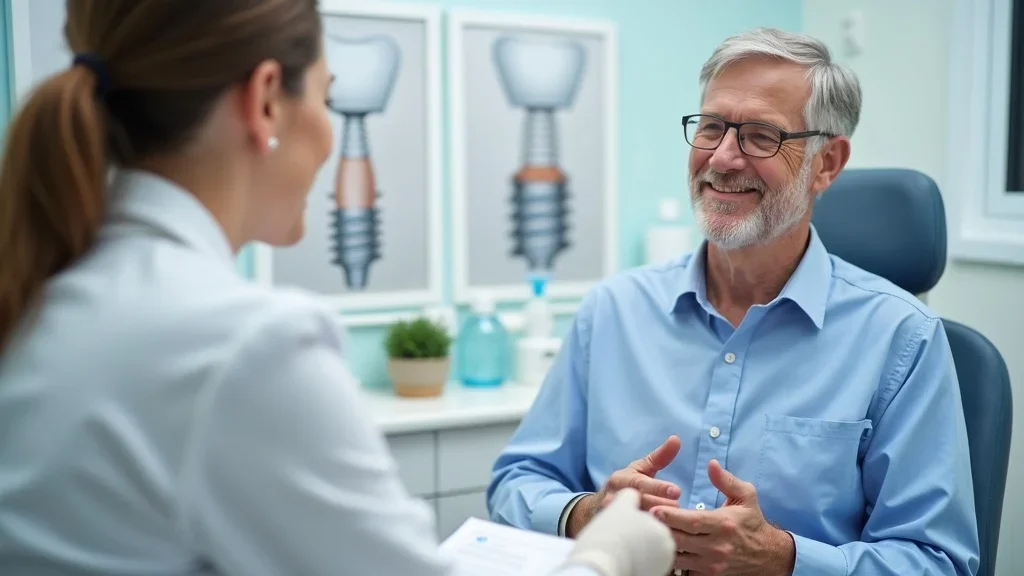
Dental patient holding informational brochure on all-on-1 mono implants, looking reassured pre-consultation in modern office. Mono implant safety education for patients.

Frequently Asked Questions about All-on-1 Mono Implant Safety

  • What happens if a mono implant fails?
    In rare cases of implant failure, removal and replacement are typically straightforward due to the minimally invasive design. The jaw often heals rapidly, allowing for prompt re-implantation or alternative solutions.

  • Can anyone get an All-on-1 mono implant?
    Most adults with sufficient bone structure and good overall health qualify. However, a thorough medical and dental evaluation ensures the procedure is safe and optimally tailored to each patient’s needs.

  • Do mono implants feel like natural teeth?
    Yes! Patients consistently report that mono implants feel remarkably like natural teeth—stable, comfortable, and functional for biting, chewing, and smiling.

  • Is sedation required for mono implant placement?
    Many patients are comfortable with local anesthesia alone, but sedation options are available for added comfort during the procedure, especially for those with dental anxiety.

Key Takeaways: How Safe is the All-on-1 Mono Implant Procedure Compared to Traditional Implants?

  • Mono implants deliver minimally invasive, biologically preservative treatment

  • Complications and maintenance are statistically lower with All-on-1 mono systems

  • Traditional implants can be necessary in special circumstances, but carry higher risk of trauma and long-term costs

Ready to Restore Your Smile?

  • Don’t leave your health and confidence to chance—contact Dr. Jared Van Ittersum’s team for a free consultation at 616-843-5805 or visit our site at https://drjaredvanittersum.com. Discover if the life-changing All-on-1 mono implant solution is right for you—safe, affordable, and crafted by America’s trusted experts in smile transformation.

mono dental implants

2 Views

0 Comments

Write A Comment

*
*
Related Posts All Posts
10.29.2025

Can mono implants work even if I was previously told I need bone grafts?

Have you ever been told that you need a bone graft for dental implants—and wondered if there’s a less invasive, more affordable solution? For many, the conversation ends there, but innovation in implant dentistry now challenges this age-old assumption. If you or a loved one has experienced bone loss or was turned away due to insufficient bone, you may have new hope. In this comprehensive guide, we’ll explore whether mono implants can work even if you were previously told you need bone grafts—and why leading-edge approaches are revolutionizing smiles for patients once thought ineligible.Questioning Conventional Wisdom: Introducing Mono Implants for Patients with Bone Loss or Bone Graft NeedsChallenging the Necessity of Bone Grafting for Dental ImplantsTraditionally, significant bone loss or inadequate jawbone volume meant that bone grafting procedures—sometimes extensive, such as sinus lifts—were required before placing dental implants. This made the treatment more invasive, expensive, and out of reach for many. However, advances in implantology—namely, the development of mono implants—have allowed countless individuals to receive secure, life-changing restorations without the burden of traditional bone graft surgery. Can mono implants work even if I was previously told I need bone grafts? The answer, as you’ll discover, is more promising than ever thanks to modern techniques like those offered by Dr. Jared Van Ittersum and the All-on-1 Mono Full Arch System. If you’ve been told in the past you are not a candidate, it’s time to reconsider what’s possible for your smile.What You'll Learn: Understanding the Potential of Mono Implants in Cases of Bone Loss and Bone GraftingWhether mono implants can help you avoid a bone grafting procedureHow bone loss affects dental implant treatment outcomesThe difference between mono implants and conventional dental implantsClinical insights from implant expert Dr. Jared Van Ittersum, DDSCosts, benefits, and candidacy for mono implant solutionsOverview of Bone Grafts, Bone Loss, and Dental Implant TreatmentsWhy Bone Loss Leads to Bone Grafting in Traditional Dental ImplantsTo understand why bone grafts are often recommended for dental implant procedures, it’s important to grasp the relationship between jawbone health and tooth roots. When natural teeth are lost—whether from decay, trauma, or periodontal disease—the jawbone begins to deteriorate due to lack of stimulation. Over time, this bone loss can become severe, impacting not only the fit and function of traditional dental implants but also facial appearance and oral health. Historically, if bone density or volume was insufficient, surgeons would propose procedures like a sinus lift (especially for the upper jaw), socket grafts, or larger bone grafts using donor or synthetic graft material. These steps aimed to rebuild the foundation needed to securely anchor conventional implants, but also introduced more risk, cost, and prolonged recovery.Bone Graft vs. Bone Grafting Procedure: Key Differences and When Each is NeededThe terms “bone graft” and “bone grafting procedure” are sometimes used interchangeably, but they refer to distinct concepts. A bone graft is the actual graft material—often processed bone from another part of the body, a donor, or synthetic alternatives—placed where bone loss has occurred. The bone grafting procedure is the surgical process of placing this new material to augment or repair deficient bone structure in the jaw. Indications for these procedures vary: socket grafts are often used immediately after tooth extraction to preserve bone, while larger block grafts or sinus lifts are needed when anchoring implants in areas with advanced loss, such as the upper jaw. Despite technological progress, these approaches carry increased treatment time, added recovery, and the potential for graft failure.Comparison of Grafting Procedure Types and Their IndicationsProcedure TypePurposeTypical IndicationsSocket GraftFills tooth extraction site to preserve boneRecent tooth loss, preparing for future implantSinus LiftElevates sinus membrane, adds graft material in upper jawSevere upper jaw bone loss, insufficient height for implantsBlock Bone GraftTransplants a block of bone to wide/long defectsMajor jawbone deficiency, trauma, or failed previous graftBone Grafting ProcedureGeneral term for surgically adding bone or synthetic materialAny situation where bone volume must be restoredUnderstanding Mono Implants: A Solution for Patients Facing Bone GraftingHow Mono Implants Bypass the Need for Traditional Bone Graft ProceduresMono implants (sometimes called one-piece implants) are reshaping the landscape for patients with bone loss who have been told they need a bone graft. Unlike traditional dental implants that require two pieces and a certain amount of bone for secure anchorage, mono implants are a single, ultra-strong structure. Their design allows for placement in areas of reduced bone density—directly engaging the denser, more stable cortical bone—and they do not require the volume necessary for conventional screw-type implants. This means the grafting procedure can often be entirely avoided, even in challenging cases like severe upper jaw atrophy or where a sinus lift was previously suggested. For those seeking to avoid lengthy, costly, and sometimes risky bone grafting procedures, mono implants represent a significant leap forward.Mono Implants vs. Conventional Dental Implants: Addressing Bone LossHow do mono implants deliver secure, lasting results in the face of bone loss? Their breakthrough comes from several engineering innovations:Tissue-level design: This places the implant’s “collar” above the bone line, which reduces inflammation risk and helps prevent peri-implantitis—a common culprit in implant failure.Isoelastic flexibility: Mono implants flex with your natural bone, closely mimicking the stimulation that a natural tooth root provides. This “stress-sharing” prevents stress shielding, helping maintain bone tissue health over time.Minimally invasive surgical approach: Without the need for extensive drilling, bone removal, or gum flaps, these implants offer a gentler procedure, faster healing, and less swelling—a true game changer for those with systemic health risks or fear of surgery.The Implant Procedure: How Mono Implants Adapt to Upper Jaw, Sinus Lift, and Severe Bone LossMono Implants in Cases Where Sinus Lift or Extensive Bone Grafting Was Previously RecommendedOne of the most significant hurdles in dental implantology is the upper jaw—particularly the area beneath the sinus cavities. Historically, when bone volume was insufficient, a sinus lift and/or multiple bone grafting procedures were needed just to allow placement of a conventional implant. Many patients endured months of recovery, multiple surgeries, and added costs, only to be told the graft failed or wasn’t possible due to poor healing. Mono implants solve this by their ability to span longer distances and anchor in remaining strong bone—directly engaging cortical layers even in thin or resorbed upper jaw sites. As a result, cases once thought impossible without a grafting procedure, including severe jaw bone loss, can now be treated successfully, often in a single visit.Upper Jaw and Lower Jaw Solutions with Minimal BonePatients with significant atrophy or bone loss in both the upper and lower jaws are particularly good candidates for the mono implant solution. Instead of requiring separate surgeries and staged bone grafts, the All-on-1 Mono Full Arch System (pioneered by Dr. Jared Van Ittersum) distributes the biting force across more implants (8–10 per arch), improving durability and reducing the stress on any one point. The unique design means the implant procedure can often be completed without building up lost bone, providing life-changing support for those with a history of tooth loss, periodontal disease, or failed implants. Patients often leave with a secure, immediate temporary prosthesis—restoring not only function but confidence and aesthetics almost instantly.Expert Insights from Dr. Jared Van Ittersum: The Science and Innovation Behind Mono Implants for Bone Loss“Nothing is more beautiful or biologically stable than the tissue God gave you. Our job is to preserve it.” – Dr. Jared Van Ittersum, DDSHow Mono Implants Stimulate Bone and Prevent Future Bone LossMono implant systems are crafted to maintain—not destroy—your natural tissues. The one-piece, tissue-level design creates a stable seal with your gums, dramatically reducing bacterial infiltration and long-term inflammation. But the real breakthrough is in how mono implants are engineered to flex with bone (isoelasticity). This mimics the mechanical relationship between natural teeth and bone, continuing to stimulate and preserve bone density for the long term. Where traditional implants may cause “stress shielding” (leading to bone resorption), mono implants keep your jawbone healthy, even in sites with previous bone loss or where a bone grafting procedure was considered impossible.Stress-shielding vs. bone stimulation: Conventional implants transfer biting forces vertically, sometimes causing adjacent bone to shrink. Mono implants distribute those forces in a way that maintains stimulation—and retention—of the bone around the implant.Customized care: Patients who are medically unable to receive a bone graft or who have experienced graft failure now have a tailored alternative with mono implants. This allows more people to reclaim their oral health, regardless of past setbacks.Affordability and Accessibility: Mono Implants Without Bone Graft—A Cost ComparisonCost Comparison: Mono Implants vs. All-on-4 vs. Traditional Dental Implants with Bone GraftingTreatmentAverage Cost Per ArchIncludes Bone Graft?Annual Maintenance Required?Mono Implants (All-on-1)$15,000–$18,000NoNo (one-time cost, 25-year warranty)All-on-4 Implants$18,000–$30,000SometimesYes (annual removal, cleaning fees)Traditional Implants with Bone Grafting$22,000–$35,000YesPossible (if prosthesis fracture/more surgery required)How Mono Implants Offer a More Affordable Solution Without Hidden Maintenance FeesFor many patients, cost is a critical barrier to getting dental implants. The complexity of conventional bone grafting procedures, the cost of premium graft materials, and longer recovery times drive prices even higher. By eliminating the need for any graft procedure and streamlining the surgical process, mono implants are up to 50% more affordable than traditional approaches. There are no annual fees for removing/cleaning the prosthesis, and patients enjoy a 25-year warranty with thin, custom zirconia restorations. Most receive a new, functional smile in just one day—and financing options make this solution accessible to more Americans. Mono implants redefine affordability and transparency for those previously priced out by traditional options.Patient Experience: Mono Implant Procedure for Those Previously Told They Needed Bone GraftsReal Cases: Transformative Results Without Bone Grafting ProcedureStories abound of individuals who, after years of bone loss, failed grafts, or “not enough bone” diagnoses, finally find hope thanks to the mono implant solution. Dr. Jared Van Ittersum’s patients, often surprised at how minimally invasive the process is, report rapid recovery, minimal discomfort, and restored self-esteem. Many arrive with severe upper jaw bone loss or a compromised lower jaw, and leave with a secure, lifelike smile—with no bone graft, sinus lift, or stitches required. The emotional transformation—regaining the ability to eat, laugh, and smile freely after years of living with missing teeth or ill-fitting dentures—can be as profound as the clinical result.Timeline: From Consultation to Smile—What Patients Can ExpectThe mono implant process is designed for maximum convenience, safety, and predictability:Free Consultation & 3D Imaging: Dr. Van Ittersum uses digital scans to map your bone structure and design a bespoke plan.Implant Surgery: The implant procedure usually takes 1–2 hours per arch, with minimal swelling or downtime—patients return home the same day.Immediate Temporary Prosthesis: Most leave surgery with a secure, beautiful smile already in place.Healing Phase: Over several months, your body bonds with the implant. There’s no waiting for grafts to heal or risk of graft failure.Final Zirconia Prosthesis: After osseointegration, a custom, permanent solution is delivered—blending perfectly with your facial features and gums.People Also Ask: Addressing Common Questions About Mono Implants, Bone Loss, and Bone GraftingDo you always need a bone graft when getting an implant?Answer: Not always. Advances such as mono implants now provide options for many patients previously told they need bone grafts, especially in cases of moderate to advanced bone loss.When is a dental bone graft not possible?Answer: Severe bone loss, systemic health issues, or insufficient soft tissue may make bone grafting procedure risky or impossible. Mono implants provide an alternative for many of these patients.How much is an implant without a bone graft?Answer: Mono implants often cost up to 50% less than traditional implants with bone grafting due to fewer surgical steps and reduced need for complex graft materials.What percentage of dental implants require bone grafts?Answer: Approximately 30–50% of traditional dental implant cases require some form of bone graft. The advent of mono implant technology is rapidly decreasing this statistic.FAQs: Mono Implants and Bone Graft AlternativesCan anyone get mono implants if they’ve been told they don’t have enough bone?Most patients who were previously considered ineligible for implants due to bone loss or failed bone grafts can now be treated successfully with mono implants. However, a thorough evaluation by a qualified implant specialist is required.Are mono implants FDA approved?Yes, mono implants used by leaders such as Dr. Van Ittersum are FDA approved and have decades-long track records of success.How do I know if mono implants are right for me if I was recommended a bone grafting procedure?A digital 3D scan and consultation can determine your candidacy. Mono implants are particularly valuable for those with limited bone, failed grafts, or systemic medical conditions.Do mono implants last as long as conventional dental implants?International studies and clinical experience show mono implants to have equal or superior longevity, due to their one-piece, tissue-level design and natural bone stimulation.What should I expect during the grafting procedure if it’s still necessary?If you require a graft for another reason, your dentist will guide you through the process. However, many patients find they can bypass this entirely with the mono implant approach.Key Takeaways: Mono Implants vs. Bone Graft for Dental Implant CandidatesMono implants can often bypass the need for bone grafts in cases of bone loss—especially upper jaw and full arch situationsPatients experience less downtime, fewer complications, and more affordable care without hidden maintenance costsDr. Jared Van Ittersum’s approach prioritizes natural bone and tissue preservation for healthier, more aesthetic resultsInnovations in implant procedure design have expanded access for difficult cases—restoring hope for those denied traditional solutionsTransform Your Smile—Explore Mono Implants as an Alternative to Bone Grafting“You no longer have to travel for affordable, advanced implant care. Mono implants make transformative dental solutions accessible and cost-effective—right here at home.”Call for a free consultation 616-843-5805 or visit our site at https://drjaredvanittersum.comIf you’ve been told you’re not a candidate for dental implants due to bone loss or the need for a bone graft, don’t give up hope. Dr. Jared Van Ittersum’s patient-centered, minimally invasive mono implant system may be the breakthrough you’ve been waiting for—delivering a natural smile, renewed confidence, and lasting oral health with less risk and lower cost. Schedule your free consultation today!

10.21.2025

Why do costs vary so much between clinics and systems?

Did you know that the average health care cost for a dental implant in the U.S. can range from $3,000 to $6,000—while in some countries it’s less than half this amount? For many patients, the care cost shock isn’t limited to specialized procedures like dental implants—routine visits, urgent care, and even basic checkups can yield wildly unpredictable health care costs depending on where you go and what health system you’re in. But why do costs vary so much between clinics and systems? This article reveals the hidden drivers of cost disparities, breaks down the myths of “pay more, get more,” and introduces solutions—like mono dental implants—that put power and affordability back into the patient’s hands.Did you know that the average health care cost for a dental implant in the U.S. can range from $3,000 to $6,000—while in some countries it’s less than half this amount?Startling Facts: The Hidden Truths Behind Health Care Costs in the United StatesEvery year, Americans spend trillions on health care costs. If you’ve ever asked yourself, “Why do costs vary so much between clinics and systems?”—you’re not alone. Reports show that two patients might pay dramatically different prices for the same treatment, even in the same city, depending on factors like their insurance plan, clinic location, and technology used. Beyond dental care, everything from routine bloodwork to emergency surgeries can swing hundreds—sometimes thousands—of dollars. Even with initiatives like the Affordable Care Act, U.S. health care cost unpredictability persists. So how can you, as a patient, make sense of the system and protect yourself from unexpected medical bills? The answer lies in understanding what’s behind these cost fluctuations—and taking proactive steps to demand price transparency and seek innovative, affordable care.What You'll Learn: Demystifying Why Costs Vary So Much Between Clinics and Health SystemsKey factors influencing health care costs and care cost differencesHow technology, price transparency, and insurance coverage alter the patient experienceComparative insight into health care systems—plus unique perspectives from Dr. Jared Van Ittersum, DDSUnderstanding the Basics: What Drives Health Care Cost Disparities?Defining Care Cost and Health Care Costs: Terms Every Patient Should KnowTo understand why costs vary so much between clinics and systems, it’s vital to grasp how care cost is calculated. Health care cost refers to the total expenses associated with delivering a medical service or treatment—which includes everything from provider fees and facility overhead to supplies, insurance billing, and administrative work. When you receive a medical bill, you’re actually seeing the sum of several internal costs: the direct charge for medical services, overhead for running the clinic, the negotiated rates your insurance company settled with the provider, and—sometimes—padding for uncertainty or risk. These costs can differ dramatically even for identical services across clinics, especially if one provider invests in advanced facilities, employs more specialized staff, or takes part in different health system models. Recognizing these variables empowers you as a patient to ask questions, compare clinics, and demand transparent price transparency for your care. Remember, understanding care cost is the first step toward making informed choices in the complex U.S. health system.The Role of Health System Models: Comparing U.S. and Global Health SystemsThe type of health system in play directly impacts both quality of care and out-of-pocket health care costs. In the United States, a primarily private insurance model means prices for services are negotiated between insurance companies and care providers, often lacking transparency. Other countries may use public, single-payer models that set standardized rates and lower cost variations. For example, in the U.K.’s National Health Service, most health care services have fixed prices, making bills far more predictable. In hybrid systems such as those found in Germany or France, both public and private insurance options exist, providing tiers of access and varied price points for patients. These structural differences explain why the U.S. stands out for its high health care costs—but also why some patients choose health tourism or cross-border care to find affordable care. No matter the system, however, hidden costs and a lack of price transparency can affect your final bill. This is why evaluating not just price, but also the quality of care and the innovation behind a clinic or system, is so critical for smart decision-making.Quality of Care vs. Care Cost: Can You Truly Get What You Pay For?Is paying more always a guarantee of better quality of care? The answer is complex. While higher prices can sometimes reflect investment in more advanced technology, specialist training, or higher accreditation standards, “more expensive” doesn’t automatically mean “better.” Some clinics may charge premium fees for reputation alone, while others offer higher success rates and patient satisfaction at a lower cost by leveraging innovative techniques or streamlined health system resources. Take dental implants: some U.S. clinics charge over $40,000 for full-mouth restorations using traditional systems, while modern approaches—like the All-on-1 Mono Full Arch—provide superior results for a fraction of the price. As a patient, it’s crucial not to equate cost with quality blindly. Instead, dig deeper: review outcomes, ask about credentialing, and request data on success rates. Remember, price transparency and a proven, patient-centered track record offer a more reliable path to real value than brand names or flashy marketing alone.Top 7 Reasons Why Costs Vary So Much Between Clinics and SystemsClinic Location and Health Care Market DynamicsVariations in Health System Structures: Private, Public, and Hybrid ModelsProvider Expertise and Training LevelsTechnology Adoption, Facilities, and EquipmentDifferences in Insurance Coverage and PoliciesQuality of Care and Accreditation StandardsHidden Fees and Price Transparency PracticesCase Example: All-on-4 vs. All-on-1 Mono Full Arch Systems – Which Delivers True Value?To bring the cost-vs-quality discussion to life, let’s compare two leading dental implant systems: All-on-4 (AO4) versus the All-on-1 Mono Full Arch, as pioneered by Dr. Jared Van Ittersum. All-on-4, widely marketed in the United States, typically requires 4–6 implants per arch, extensive bone reduction, and, often, gum removal—resulting in higher surgical trauma, longer recovery, and frequent long-term maintenance fees. On the other hand, the All-on-1 Mono Full Arch System employs 8–10 minimally invasive mono implants that preserve bone and gum tissue, resulting in reduced post-op discomfort, more natural aesthetics, and earlier return to function. What’s crucial is that the All-on-1 system often costs up to 50% less than traditional AO4—without sacrificing success rates or durability. Patients not only save on the original procedure, but also avoid expensive annual maintenance or prosthetic replacement costs. For those seeking real value, technological innovation—not just sticker price—should be the deciding factor."Nothing is more beautiful or biologically stable than the tissue God gave you. Our job is to preserve it." — Dr. Jared Van Ittersum, DDSPrice Transparency in Health Care: A Crucial Factor in Understanding CostsPrice transparency isn’t just a buzzword—it’s your single most potent tool for managing health care costs and avoiding unnecessary medical bills. Clinics and hospitals vary in what they publicly reveal about their pricing, and many still don’t provide line-item breakdowns before treatment. For patients, this lack of information can lead to nasty surprises, potentially derailing finances or causing patients to delay care. Federal regulations now require hospitals to post standard charges online, but compliance is patchy and data often remains buried or confusing. When price transparency is prioritized, patients can compare care systems, evaluate cost-versus-value, and make empowered choices about where and how to receive health care services. The good news: leading clinics like Infinity Dental Implant Centers and the OPI Institute are championing open, up-front pricing—helping you reclaim control and secure affordable care without compromise.The Push Toward Clearer Care Cost Information: What Are Clinics Required to Disclose?Thanks to rising demand from both consumers and regulators, the tide is turning for price transparency in the U.S. health system. At minimum, clinics and hospitals are expected to publish gross charges, payer-specific negotiated rates, and discounted cash prices for their most common care services. Some progressive providers go further, offering real-time online quotes tailored to procedure type, insurance plan, and location. However, not all clinics comply or make information accessible, and distinctions between list price and actual out-of-pocket care costs can be blurred by insurance reimbursement rates, co-pays, and network agreements. As a patient, it’s your right to request estimates—preferably in writing—including a breakdown of all expected fees. Insist on clarity around not just the procedure, but also potential follow-up appointments, anesthesia, device upgrades, and annual maintenance. By demanding transparency, you move the entire health care market toward greater fairness and value.How Price Transparency Impacts Insurance Coverage DecisionsTransparent pricing doesn’t just help patients—it also shapes the behavior of insurance companies. When care providers make their costs visible, insurers are forced to negotiate smarter, favor lower-cost yet high-quality clinics, and improve plan options. This can lead to more comprehensive insurance coverage and better value for patients—all while incentivizing clinics to become more competitive and efficient. Conversely, opaque pricing prevents effective cost comparison and often results in higher premiums, unpredictable bills, and delayed care. Patients looking to maximize their health insurance benefits should always seek out clinics that provide upfront, transparent pricing. It’s a win-win: you know what you’re paying for, and insurers can direct their networks toward providers that deliver better care for less.Comparative Table: Dental Implant Care Costs – Traditional vs. Mono Full Arch System, United States vs. AbroadSystemUS Average Cost (Per Arch)Abroad Average Cost (Per Arch)Hidden Maintenance FeesTime Off RequiredTraditional All-on-4$25,000 – $45,000$12,000 – $17,000Yes (prothesis removal, annual)Up to 2 weeksMono Full Arch (All-on-1)$15,000 – $25,000$6,000 – $9,000No (maintenance included)24–48 hoursQuality of Care and Affordable Solutions: The Critical Role of Innovation in Health SystemsInnovation is rapidly reshaping health care, driving costs down while improving outcomes. New techniques, digital technology, and tissue-preserving protocols now deliver superior quality of care at a fraction of the old health care cost. Clinics that adopt modern implant systems, like Dr. Jared Van Ittersum’s All-on-1 Mono Full Arch, have shown how breakthroughs can upend traditional pricing models and make top-tier results accessible to more Americans. But not all health system innovations are equal. The best advances prioritize the patient’s biological preservation, reduce trauma, and streamline the clinical process—creating time savings, faster healing, and, ultimately, lower out-of-pocket cost. Patients no longer need to compromise between cost and quality. Instead, seek out clinics and providers who invest in proven, minimally invasive solutions and who are transparent about both outcomes and fees.How Innovation Drives Down Health Care Costs Without Sacrificing QualityWhen clinics embrace true innovation, everyone benefits—patients save money, providers achieve better outcomes, and the entire health care system becomes more efficient. Technologies such as digital imaging, 3D printing, and tissue-level mono implants dramatically reduce surgical times, complexity, and required follow-up visits. For example, Dr. Van Ittersum’s All-on-1 Mono approach allows for same-day temporaries, minimal bone removal, and fewer complications—meaning less time off work, lower medication needs, and fewer emergency visits for complications. Crucially, there are no hidden annual maintenance fees, which can add thousands to a patient’s lifetime medical bill with legacy systems. When you choose providers who leverage innovation for patient benefit—not just profit—you get a more affordable, less traumatic, and more durable result.Mono Dental Implants: A Patient-Centered Answer to Skyrocketing Health Care CostMono dental implants represent a breakthrough in making full-mouth rehabilitation safer, less invasive, and far more affordable—right here in the United States. Led by Dr. Jared Van Ittersum and the Infinity Dental Implant Centers team, the mono approach offers major advantages over traditional systems: more implants per arch for greater durability, preservation of your body’s natural bone and gum tissue, tissue-level design that prevents gum inflammation, and a healing process so gentle that most patients return to normal activities within 48 hours. Unlike conventional systems that require ongoing costly maintenance, the mono system is engineered for long-term stability with a 25-year warranty. This is why patients nationwide are skipping dental tourism and trusting American innovation for health care solutions. If you want high-value, patient-focused care at a fraction of the typical dental implant care cost, mono dental implants are the clear answer.People Also Ask: Popular Questions About Why Do Costs Vary So Much Between Clinics and SystemsWhy do hospital costs vary based on insurance?Insurance reimbursement rates, negotiation strategies, and contractual agreements with providers mean patients often see different health care cost figures for the same service. Deductibles and coverage exceptions further affect out-of-pocket spending.Is it cheaper to go to urgent care or the little clinic?Typically, urgent care centers offer broader medical services with higher health care costs, while retail clinics (like the ‘little clinic’) are designed for minor on-demand care and tend to charge less—though insurance coverage details and care cost exceptions can apply.Why the U.S. healthcare system costs so much compared to the rest of the world?The U.S. health system features high operational costs, price transparency issues, administrative complexity, and a fee-for-service model that incentivizes volume over value, resulting in inflated care costs by global standards.Which healthcare system is the most expensive?The United States health care system is widely regarded as the world’s most expensive, with health care cost per capita far exceeding other developed countries due to a combination of private insurance dominance, lower price transparency, and variable care cost structures.FAQs on Why Do Costs Vary So Much Between Clinics and SystemsHow can patients find transparent care cost information before treatment?Start by visiting clinic websites—look for published pricing or request a written estimate. You can also call the office directly to request line-item breakdowns, and consult third-party price comparison tools or patient advocacy organizations for additional guidance.Do premium health systems guarantee better quality of care?Not always. While some premium clinics invest in leading-edge technology or top-level talent, higher prices don’t automatically yield better outcomes. Review independent outcomes, satisfaction data, and ask about provider credentials before making your choice.What financial questions should I ask my clinic before agreeing to treatment?Ask for all-inclusive treatment quotes, maintenance fees, post-op costs, and insurance coverage details. Clarify if there are fees for follow-up visits, anesthesia, or prosthesis removal, and always request payment plan options.Do mono dental implants offer the most cost-effective long-term solution?For many full-arch patients, mono dental implants provide superior durability, aesthetic results, and maintenance-free performance—typically at a lower lifetime cost compared to traditional All-on-4 or AOX systems. Be sure to compare warranties, clinical track record, and provider expertise to ensure true value for your investment.Key Takeaways: Choosing Smartly in a Fragmented Health Care Cost EnvironmentNot all high health care costs equate to higher quality of carePrice transparency and innovation (like Mono Dental Implants) are changing the patient experienceUnderstanding your clinic’s health system model and cost breakdowns empowers informed choicesReady to Experience Affordable Dental Solutions? Call for a Free Consultation 616-843-5805Discover how Dr. Jared Van Ittersum and the Infinity Dental Implant Centers team can help you unlock safe, affordable, and life-changing dental care. Don’t settle for inflated costs or hidden surprises. Call 616-843-5805 today for your free consultation and see how mono dental implants can put your health and finances back on track.

10.13.2025

All-on-1 Mono Dental Implants vs All-on-4 Dental Implants for a Smile Makeover

Curious how All-on-1 Mono Dental Implants stack up against All-on-4 for a complete smile transformation? Your perfect solution may be closer—and more innovative—than you think. Unlock the secrets behind the latest advancements in full mouth dental implants and discover which approach truly delivers the lasting, natural results you deserve.Unlocking Your Perfect Smile Makeover: Do All-on-1 Mono Dental Implants or All-on-4 Dental Implants Offer the Best Solution?When comparing all-on-1 mono dental implants vs all-on-4 dental implants for a smile makeover, it’s essential to consider your unique goals, oral health needs, and long-term satisfaction. Both systems are designed for individuals struggling with full mouth tooth loss or missing teeth, offering the promise of a beautiful and functional smile. Yet, each approach brings distinct advantages in terms of procedure, recovery time, cost, and aesthetics. In this in-depth guide, we’ll walk you through every aspect of these two leading dental implant protocols, helping you determine which system—All-on-1 Mono or All-on-4—can best deliver the outcome you envision.Both protocols have transformed the landscape of full mouth dental implant solutions, with All-on-4 traditionally dominating the market for those seeking to replace an entire arch of teeth cost-effectively. However, All-on-1 Mono Dental Implants, championed by innovators like Dr. Jared Van Ittersum, DDS, are rapidly emerging as a superior alternative for patients prioritizing minimally invasive treatment, tissue preservation, and a more natural feel. This article provides practical, straightforward insights into these major implant systems—making it easy to weigh the pros, cons, and long-term value in pursuit of your ideal smile.What You'll Learn About All-on-1 Mono Dental Implants vs All-on-4 Dental Implants for a Smile MakeoverKey differences between All-on-1 mono dental implants and All-on-4 dental implants for a smile makeoverAdvantages and disadvantages of each implant systemProcedure, recovery, and outcome comparisonsPricing, longevity, and maintenance considerationsExpert insights from Dr. Jared Van Ittersum, DDSUnderstanding Full Mouth Restoration: The Role of Dental Implants in Smile MakeoversWhat Is a Full Mouth Dental Implant Solution?A full mouth dental implant solution is a comprehensive approach to replacing all the teeth in either the upper or lower arch—sometimes both—by anchoring a custom prosthesis to precisely placed dental implants. Unlike traditional dental methods such as bridges or removable dentures, implant-supported restorations provide a stable, long-lasting, and functional smile that looks and feels remarkably close to natural teeth. This restoration not only addresses functional needs, such as biting and speaking, but it also dramatically improves appearance and confidence.Dental implants serve as artificial tooth roots, bonding with the jawbone (a process known as osseointegration) and supporting a full arch of new teeth. For individuals facing tooth loss due to decay, trauma, or gum disease, advanced solutions like All-on-1 Mono and All-on-4 offer a second chance at life with a smile that is both beautiful and functional. These implants often eliminate the need for bone grafts in patients with adequate bone density, reducing the complexity and duration of the treatment plan. The result is a stable, comfortable, and natural-looking smile makeover—often achieved in fewer visits than you’d expect with traditional dental implants.The Impact of Tooth Loss and Missing Teeth on Oral Health and ConfidenceTooth loss and missing teeth do more than affect your appearance—these issues can have profound effects on your oral health, speech, nutrition, and even self-esteem. When an entire arch of teeth is lost or severely compromised, the jawbone begins to resorb due to the absence of stimulation previously provided by natural tooth roots. This leads to noticeable changes in facial structure, premature aging, and a reduced quality of life.Additionally, traditional replacement options like dentures often fail to restore the full set of functions needed for confident eating or speaking, and may even accelerate bone loss. Choosing the right full mouth restoration—whether it’s All-on-1 Mono or All-on-4 dental implants—can reverse years of declining oral health and restore both the function and the emotional wellbeing that comes with a strong, attractive, and functional smile. Ultimately, these advanced systems offer a comprehensive solution for tooth replacement that surpasses what was possible with earlier implant methods.All-on-1 Mono Dental Implants for a Smile Makeover: Dr. Van Ittersum’s ApproachHow the All-on-1 Mono Implant System Works for Full Mouth RestorationThe All-on-1 Mono Dental Implant system is an innovative advancement in full mouth restoration, leveraging the power of 8–10 one-piece mono dental implants per arch (upper or lower) to support a lifelike, custom prosthesis. Spearheaded by Dr. Jared Van Ittersum, this approach prioritizes biological preservation: implants are placed without cutting away healthy bone or gum tissue, avoiding gum flaps and minimizing trauma. Unlike traditional dental implants or even the conventional All-on-4, the All-on-1 Mono system distributes biting forces across a larger number of implants, improving overall strength and stability for the entire arch of teeth.What makes this system truly distinctive is its tissue-level, screwless design—each implant integrates directly with the patient’s natural anatomy to create a robust seal that helps preserve gum health and prevents bacterial infiltration. Most patients can return to their normal activities within 24–48 hours of surgery, a stark contrast to the extended recovery time and discomfort often associated with more invasive protocols. A digital temporary prosthesis is delivered the same day as surgery, ensuring patients leave with a functional smile while their jawbone and implants integrate over the following months.Advantages and Unique Innovations of Mono Dental ImplantsDr. Van Ittersum’s All-on-1 Mono Dental Implants system stands out for several key reasons. First, its over-engineered design offers biomechanical strength by spreading bite forces across more implants—reducing risk of overloading and failure. The tissue-level implant design prevents peri-implantitis (gum inflammation) by creating a cleaner, more stable interface between implant and tissue, virtually eliminating microgaps that can harbor bacteria. Another major benefit is isoelastic flexibility: the mono implants flex with natural bone, stimulating retention and preventing the “stress shielding” bone loss common with traditional, rigid implant systems.Patients benefit from a thinner, lighter, and more natural-feeling prosthetic that avoids the bulky pink bases used in other systems. Costs are often up to 50% lower than the All-on-4 approach—without hidden fees for maintenance or annual prosthesis removal. The result is a faster, gentler, and more affordable path to an attractive, lasting smile. As Dr. Van Ittersum states:“Nothing is more beautiful or biologically stable than the tissue God gave you. Our job is to preserve it.” — Dr. Jared Van Ittersum, DDSAll-on-4 Dental Implants for a Smile Makeover: Conventional Protocol ExplainedStep-by-Step Overview: All-on-4 Dental Implant ProcedureThe All-on-4 Dental Implant protocol has redefined full mouth dental implants by allowing four (sometimes six) implants to support a full arch of replacement teeth. The standard procedure involves a detailed assessment and 3D imaging to determine implant sites, followed by surgical placement of 4–6 tilted implants into the jawbone—often requiring bone reduction or even removal of gum tissue. This can be more invasive than the All-on-1 Mono technique.After placement, a temporary prosthesis allows patients to leave with a complete set of teeth on the same day, but a longer healing phase of several months is necessary for proper osseointegration. Only after this phase is the final prosthetic delivered and affixed. This approach is ideal for those with sufficient bone to support the tilted-implant concept. However, it can also increase the likelihood of requiring bone grafting if bone density is insufficient. Overall, the All-on-4 gives patients a reliable pathway to restore both appearance and function, but often with a longer and more complex surgical experience.Benefits and Limitations of All-on-4 Dental ImplantsThe benefits of the All-on-4 system include fewer implants, often a reduced cost compared to placing individual dental implants for each missing tooth, and the ability to restore the full set of teeth in a single surgical procedure. Many patients find that this option is less expensive and disruptive than the process of receiving multiple traditional dental implants. Additionally, the technique is well-established, supported by years of clinical studies and successful patient outcomes worldwide, making it a trusted choice for many seeking a full mouth solution.However, All-on-4 does present certain limitations. The prosthetic design is bulkier and may require a pink acrylic base to compensate for lost gum and bone, sometimes leading to esthetic or speaking challenges. Surgical invasiveness is greater, as the procedure often involves gum or bone removal, and the risk for peri-implantitis is higher due to exposed metal connections (microgaps). Ongoing maintenance—such as annual removal and cleaning of the prosthesis—adds to the long-term cost of treatment. The recovery period is generally longer, with more restrictions on food and activity during the early phase.Comparison: All-on-1 Mono Dental Implants vs All-on-4 Dental Implants for a Smile MakeoverCriteriaAll-on-1 Mono Dental ImplantsAll-on-4 Dental ImplantsImplants per arch8–104–6Surgical approachminimally invasivemore invasiveHealing timefaster (24–48 hrs to return to activities)longerGum & bone preservationyesminimalCostup to 50% lesstypically higherProsthetic designthin, natural-feelingbulkierMaintenancelower, simplerequires periodic removal and cleaningAll-on-1 Mono Dental Implants vs All-on-4 Dental Implants: Key Differences for a Smile MakeoverBiomechanical strength and distribution of bite forceSurgical invasiveness and preservation of natural tissueRisk of peri-implantitis and gum inflammationProsthetic aesthetics and functionPatient recovery, comfort, and emotional impactLongevity and success ratesWhen it comes to all-on-1 mono dental implants vs all-on-4 dental implants for a smile makeover, the differences run deeper than the number of implants. All-on-1 Mono Implants use more posts per arch, providing increased biomechanical strength and distributing bite pressure evenly. This not only protects against failure but also delivers a more robust and durable result, especially important for patients with varying bone density or those avoiding bone grafting. Mono implants, with their tissue-level design, also excel in tissue preservation and reduction of infection risk—an ongoing concern with conventional multi-piece systems.The All-on-4 technique, while efficient, can require removal of healthy bone and gum tissue to make room for the implant framework, potentially exposing the patient to additional pain and longer recovery. Prosthetics supported by All-on-1 Mono Implants typically feel thinner and more natural, while those of the All-on-4 system sometimes require more acrylic—or “bulk”—to compensate for lost tissue. Patient comfort, emotional impact, long-term oral health, and maintenance factors (such as frequency and cost of removal for cleaning) further separate these innovative solutions. Your unique needs and goals should drive the decision, ideally under the guidance of a specialist like Dr. Van Ittersum.The Patient Journey: What to Expect with All-on-1 Mono Dental Implants vs All-on-4 for a Smile MakeoverConsultation, Diagnosis, and Custom Treatment PlanningYour transformation begins with a thorough consultation and diagnostic assessment, including a 3D cone-beam CT scan. Dr. Van Ittersum and his team carefully map your bone structure, identify underlying conditions, and design a fully customized treatment plan. At this stage, you’ll explore whether all-on-1 mono dental implants vs all-on-4 dental implants better fit your goals and anatomy.A detailed discussion helps clarify treatment options, recovery expectations, and long-term outcomes. This collaborative approach ensures patients are well-informed, confident, and empowered to make the best decision for their health and lifestyle. You’ll also have the opportunity to see before-and-after results and review testimonials from previous patients.Day of Surgery: Process, Recovery, and Temporary ProsthesisOn surgery day, Dr. Van Ittersum’s minimally invasive technique minimizes discomfort and speeds up healing. Using advanced digital workflows, All-on-1 Mono Implants are placed with utmost precision, often with no need for gum flaps or bone removal. Most patients can return to soft foods and daily activities within 24–48 hours, wearing a digitally crafted temporary prosthesis that looks and feels natural.The All-on-4 approach, by contrast, often requires more invasive surgery, with healing periods marked by increased swelling and dietary restrictions. While both systems provide same-day smiles, mono implants typically enable a quicker, more comfortable recovery—an important advantage for those seeking minimal downtime.Long-Term Results and Final Zirconia Prosthetic DeliveryBoth All-on-1 Mono and All-on-4 protocols culminate in delivery of a highly customized final prosthesis—crafted from durable, lifelike zirconia—for lifelong function and aesthetics. Mono implant patients benefit from a thin, stable frame that more closely resembles natural teeth and gums, while All-on-4 prostheses requires added material to recreate lost tissue.With proper care, your new smile can last decades. Periodic checkups ensure everything remains healthy and secure, and Dr. Van Ittersum’s patients receive a 25-year warranty on their implants—demonstrating clinical confidence in the long-term success and stability of the All-on-1 Mono system.Accessibility, Cost, and Financing Options for All-on-1 Mono Dental Implants and All-on-4 Dental ImplantsCost comparison and insurance considerationsAffordable payment plansAvoiding dental tourism—advanced care in the U.S.Comparing the cost of treatment for all-on-1 mono dental implants vs all-on-4 dental implants for a smile makeover reveals a significant difference. The All-on-1 Mono system is often up to 50% less expensive than All-on-4, thanks to its simpler design, minimized surgical work, and fewer maintenance needs. Both options can be made accessible with the help of financing partners, allowing patients to budget their investment through flexible monthly payments.Insurance may cover part of the procedure, especially if tooth loss has severely impacted oral health. Unlike risky dental tourism abroad, Dr. Van Ittersum’s U.S.-based clinics guarantee FDA-approved materials and American oversight. This means you can access the world’s leading smile makeover solutions safely, affordably, and close to home.What Do Patients Say? Testimonials and Case Results from All-on-1 Mono Dental Implants“After decades of being embarrassed by my teeth, this procedure restored my confidence and changed my life.” — Real PatientPatient testimonials consistently highlight the emotional and functional transformation they experience with All-on-1 Mono Implants. Beyond the immediate improvements in smile aesthetics, patients often describe newfound joy in eating, speaking, and socializing—freed from years of covering their mouth or avoiding photos. This is more than a dental procedure; it’s a restoration of confidence and quality of life.Before-and-after photos reveal the profound difference a skilled, biologically conservative approach can deliver—unlocking the full power of a healthy, functional, and beautiful new smile.People Also Ask About All-on-1 Mono Dental Implants vs All-on-4 Dental Implants for a Smile MakeoverIs All-on-4 better than individual implants?Answer: All-on-4 dental implants are a cost-effective, less invasive full mouth solution for missing teeth compared to placing individual implants. However, newer systems like All-on-1 Mono offer improved tissue preservation and long-term cost savings.Are screwless dental implants any good?Answer: Screwless mono dental implants can be excellent, providing a one-piece, tissue-level design that minimizes microgaps and reduces risk of infection. Dr. Van Ittersum’s protocol leverages decades of global success with mono implants.Which type of dental implant has the highest success rate?Answer: Long-term studies support the efficacy of both conventional multi-piece and mono dental implants, but mono implants have demonstrated exceptional stability and lower rates of inflammation due to their tissue-level design. Mono dental implants also has a track record that is 20 years longer than all-on-4.What is the All-on-4 Smile Makeover?Answer: The All-on-4 smile makeover refers to a dental procedure where four implants support a full-arch prosthesis, restoring function and aesthetics for people with significant tooth loss. All-on-1 mono systems represent the next evolution in this approach.Expert Perspective: Dr. Jared Van Ittersum on All-on-1 Mono Dental Implants vs All-on-4 Dental Implants“Our job is to rebuild smiles without sacrificing what makes them natural, beautiful, and lasting.”Dr. Jared Van Ittersum champions a new paradigm in full mouth reconstruction: one that emphasizes preservation of what makes your smile unique. His commitment to patient-centered, minimally invasive care has made All-on-1 Mono Dental Implants an attractive solution for those seeking not just a restored smile, but a natural, lasting renewal of health and confidence.With every case, Dr. Van Ittersum’s mission is to rebuild lives while safeguarding the body’s original design, demonstrating how technology and empathy can transform both outcomes and experiences.FAQs: All-on-1 Mono Dental Implants vs All-on-4 for a Smile MakeoverWho is a candidate for All-on-1 Mono or All-on-4 dental implants?Most adults with significant tooth loss, poor-fitting dentures, or failing dental work are candidates. A comprehensive exam and imaging determine the best solution for your unique needs.Do All-on-1 mono implants really preserve my gums and bone?Yes—this system is designed for maximum preservation, placing implants at tissue level without invasive cutting or unnecessary removal.What post-surgery care is required for each type?All-on-1 Mono implants need simple at-home hygiene and regular checkups. All-on-4 may require periodic prosthesis removal and professional cleaning to prevent complications.How long will my new smile last?With proper care, both systems can last decades. Mono implants come with a 25-year warranty and established success in clinical studies worldwide.Is financing available?Yes—flexible monthly payment plans are available, making advanced treatment affordable and accessible.Are both systems safe?Both are FDA-approved and safe in qualified hands, though the Mono approach minimizes invasive steps and some long-term risks.Key Takeaways: Making the Best Choice for Your Smile MakeoverAll-on-1 Mono Dental Implants offer superior tissue preservation and faster recovery.All-on-4 Dental Implants remain a proven, widely-used solution.Investment in either system is life-changing—choose based on your goals, budget, and clinical needs.Consult with a skilled implantologist like Dr. Jared Van Ittersum for unbiased expertise.Ready for Your Smile Transformation? Call for a Free Consultation with Dr. Jared Van Ittersum, DDS – 616-843-5805The first step to a restored smile and renewed confidence begins with a simple call. Schedule your free consultation today and discover which full mouth dental implant solution is truly right for you.When considering a smile makeover, it’s essential to understand the differences between All-on-1 Mono Dental Implants and All-on-4 Dental Implants. The All-on-4 technique involves placing four implants per arch to support a full set of teeth, often allowing for immediate function and reducing the need for bone grafting. (en.wikipedia.org) In contrast, All-on-1 Mono Dental Implants utilize a single-piece design that can be advantageous for patients with limited bone density, offering a less invasive procedure with potentially quicker recovery times. (monoimplantcenters.com)For a comprehensive understanding of the All-on-4 procedure, including its benefits and considerations, you can refer to the Wikipedia article on All-on-4. (en.wikipedia.org) Additionally, Mono Implant Centers provide detailed information on All-on-1 Mono Dental Implants, highlighting their unique advantages and suitability for various dental conditions. (monoimplantcenters.com)Exploring these resources will equip you with the knowledge to make an informed decision about the best dental implant solution for your smile makeover. You can learn more at drjaredvanittersum.com.

Terms of Service

Privacy Policy

Core Modal Title

Sorry, no results found

You Might Find These Articles Interesting

T
Please Check Your Email
We Will Be Following Up Shortly
*
*
*