Add Row
Add Element
Logo
update
Dr. Jared Van Ittersum
cropper
update
Add Element
  • Home
  • Categories
    • mono dental implants
    • one piece implants
    • dental implants
Add Element
  • update
  • update
  • update
  • update
  • update
  • update
  • update
  • All Posts
  • mono dental implants
  • one piece implants
  • dental implants
October 17.2025
1 Minute Read

What is the latest dental implants new technology?

Did you know that modern dental implant technology can now restore full smiles with up to 50% less surgical trauma and cost than traditional methods? In this article, discover the real innovations advancing dental health. Dental implants new technology isn't just about replacing missing teeth—it's about preserving your natural bone, reducing recovery time, and offering beautiful, lasting results with fewer complications than ever before.

Startling Facts About Dental Implants New Technology

The realm of dental implants new technology has witnessed a revolution: cutting-edge implant systems are now engineered to minimize surgical trauma by over 50%. Compared to standard procedures, patients experience drastically improved recovery times and long-term oral health. Recent advancements in dental implant technology favor minimally invasive techniques, which now allow for full-arch restorations using significantly less hardware and with fewer biological risks. For example, the All-on-1 Mono Full Arch System by Dr. Jared Van Ittersum provides over-engineered strength distributed across more implants, which not only boosts the success rate, but also maximizes tissue preservation and patient satisfaction. As a direct result, more individuals who previously feared or couldn’t afford dental implants are regaining their smiles and their lives, with less downtime and no need to travel abroad.

Additionally, modern dental implant technology is setting new standards in both aesthetics and function. With advanced digital planning, guided implant placement, and bespoke zirconia prosthetics, patients are experiencing transformations in both their oral health and self-confidence. These innovations don’t just promise a beautiful outcome—they deliver smiles that are designed to last a lifetime, with minimal interventions. This shift is not just technological but philosophical, as leading clinicians now focus on biological preservation and minimally invasive protocols, leaving old, aggressive approaches behind. By leveraging American-made, FDA-approved systems like those championed by Dr. Van Ittersum, patients can access next-generation care, maximize quality of life, and avoid hidden costs of traditional implant surgery or dental tourism.

What You'll Learn About Dental Implants New Technology

  • The newest advancements in dental implant technology

  • How minimally invasive techniques are changing implant surgery

  • Patient-centered outcomes with the All-on-1 Mono Full Arch System

  • Comparisons of dental implants, dentures, and other tooth replacement options

Understanding Dental Implants New Technology: An Overview

So, what makes dental implants new technology different from the traditional approaches? First, let’s break down the core principles powering these innovations in implant technology. Unlike older systems—burdened by invasive surgical methods, lengthy healing times, and higher risk of complications—modern dental implants focus on preserving the patient’s natural anatomy for optimal oral health. Rather than removing large amounts of bone or gum tissue, leading-edge procedures like Dr. Van Ittersum’s All-on-1 Mono Full Arch System maintain most of what nature gave you.

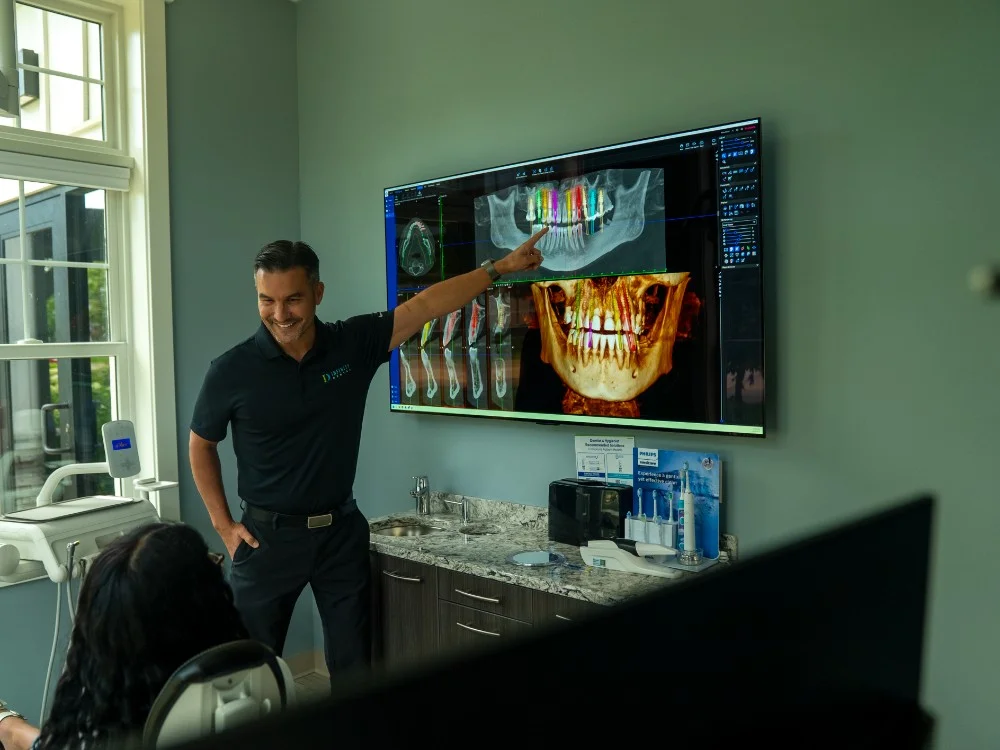
At the heart of contemporary dental implant technology is the mission to empower patients with minimally invasive, biologically stable, and cost-effective solutions for missing teeth. Utilizing 3D CBCT imaging and digital planning, clinicians can now create a precise treatment plan before starting the implant procedure. This digital workflow reduces guesswork, speeds up the process, and ensures superior results—helping more patients qualify for dental implants than ever before. Ultimately, these advancements in dental implant procedures are changing the standard of care, shifting the focus to comfort, appearance, and long-term success.

Advancements in Dental Implants: Modern Dental Implant Technology Explained

The evolution of dental implant technology is nothing short of remarkable. Modern dental implant procedures rely on a synergistic combination of advanced imaging, computer-guided implant placement, and digital prosthesis fabrication. Through high-resolution CBCT scans, dentists map out each patient's unique bone structure to develop a custom treatment plan, ensuring ideal placement for both form and function. By analyzing bite dynamics, bone density, and gum contours in advance, modern procedures greatly reduce uncertainty, thereby minimizing healing time and boosting success rates.

One innovation leading the charge is the All-on-1 Mono Full Arch System. Developed and advanced by Dr. Jared Van Ittersum, this system sets a new bar for full-arch, fixed solutions. Unlike conventional multi-piece implants—such as All-on-4, which may require bone reduction and extensive surgical trauma—the All-on-1 approach distributes force across 8–10 one-piece, tissue-level implants per arch. This biologically conservative implant placement not only delivers a stable foundation for the final restoration but also prevents common complications like bone loss and peri-implant inflammation. The result? More reliable, natural, and comfortable tooth replacement for patients seeking functional and cosmetic renewal.

Modern dental implant technology equipment and confident dental team in advanced dental clinic

Breakthroughs in Implant Technology: The Rise of the All-on-1 Mono Full Arch System

  • Mono dental implants vs. conventional implant technology: Mono implants use a tissue-level, one-piece design that reduces bacterial risks by eliminating microgaps found in traditional, multi-piece implants.

  • Minimally invasive and biologically conservative solutions: The All-on-1 Mono System avoids gum flaps and bone removal, offering a smoother implant procedure and remarkable recovery speeds.

  • Prevention of bone loss and inflammation: Advanced tissue-level implants maintain the integration of natural gums and bone, preventing the stress shielding and bone resorption associated with conventional implants.

These features aren’t just incremental improvements—they represent a paradigm shift in implant technology. The All-on-1 system ensures that your oral health is preserved at every stage of the dental implant procedure, delivering a prosthetic outcome that is both functional and aesthetically seamless. By partnering digital planning tools with biologically gentle surgical workflows, Dr. Van Ittersum is turning complex, costly, and invasive treatments into a thing of the past. The true impact? Patients gain quicker access to restored smiles, improved quality of life, and genuinely longer-lasting results—backed by a 25-year warranty built on clinical confidence.

Table: Comparing Dental Implants New Technology Options

Technology Type

Surgical Approach

Recovery Time

Longevity

Cost Efficiency

Tissue Preservation

All-on-4

Flap surgery, bone reduction

2–4 weeks

10–20 years

Moderate (hidden annual fees)

Low (significant tissue removed)

Conventional Multi-Piece

Multiple-stage, invasive

3–8 weeks

10–20 years

Lower (maintenance, parts)

Moderate

All-on-1 Mono Full Arch

Minimally invasive, no flaps

24–48 hours

25+ years

High (up to 50% savings)

Excellent (maximum preservation)

Observe how advanced digital planning, minimally invasive workflows, and personalized restoration are revolutionizing the dental implant procedure and delivering life-changing results faster than ever.
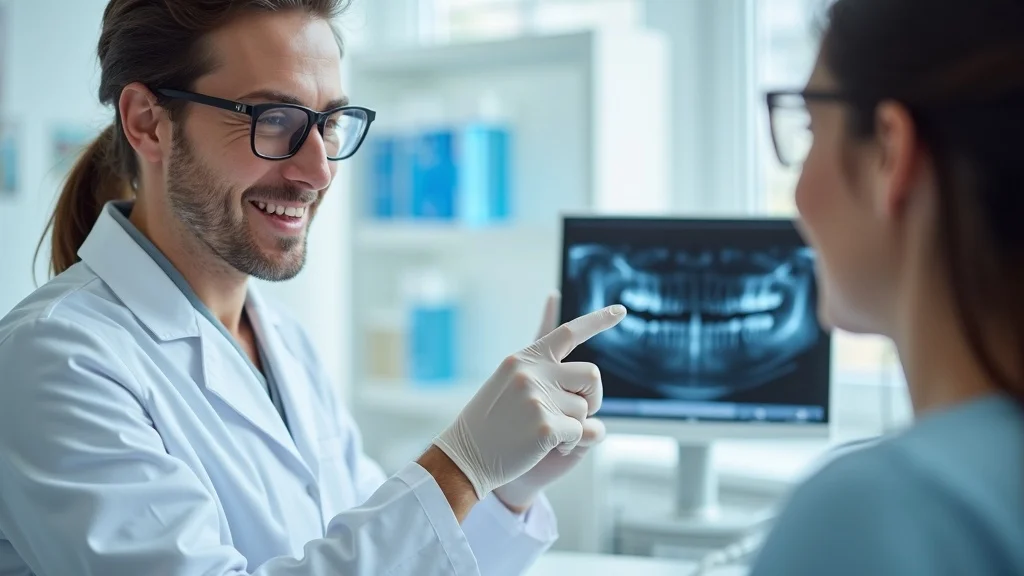
The Implant Procedure: From Consultation to Smile Reveal

  • Initial oral health and 3D CBCT evaluation: A comprehensive assessment is performed, using advanced 3D scans to evaluate your bone structure and build a personalized treatment plan for dental implants new technology.

  • Customized treatment plan development: Every individual receives a digitally tailored approach to maximize implant stability and aesthetic result—no “one-size-fits-all.”

  • Minimally invasive implant placement workflow: Dr. Van Ittersum’s method uses microincisions, eliminating the need for flaps or bone removal, which reduces postoperative pain, minimizes swelling, and allows for faster healing.

  • Immediate digital temporary prosthesis: Most patients leave their surgery with a functional, natural-looking temporary smile—restoring comfort and confidence the very same day.

Each stage of the dental implant procedure is engineered to maximize oral health while minimizing inconvenience. Patients benefit from cutting-edge technologies and compassionate care that recognizes the emotional journey behind restoring a smile. By following a precise, digitally guided workflow, Dr. Van Ittersum’s team mitigates risk of complications, streamlines healing time, and delivers an experience that transforms lives—not just teeth.

Biological Preservation and Minimally Invasive Dental Implant Placement

Preserving gum and bone—isn’t that what matters most? Biological preservation is now central to dental implants new technology. Earlier methods often required the removal of healthy tissue to fit bulky, multi-piece implant systems. The consequence? Higher risk of bone loss, increased inflammation, and unnatural-looking final results.

The All-on-1 Mono System turns this approach upside down; by avoiding flaps and major bone adjustments, it supports both short-term healing and long-term stability. This minimally invasive workflow not only ensures a stable foundation but also keeps your smile looking and feeling natural for decades, with fewer postoperative complications and shorter healing times than ever before.

By embracing techniques that mimic the resilience of natural teeth, modern dental implant technology reduces surgical trauma, postoperative pain, and risk of complications. The All-on-1 approach, for instance, maintains a tight “gum-to-implant” seal—the body’s best defense against future inflammation and decay. In the world of oral health, preservation is power: healthier bone and gums means a more comfortable, confident, and resilient smile, year after year.

Innovations in Bone Loss Prevention and Tissue-Level Implant Design

  • How new implant technology combats bone loss and stress shielding: Unlike traditional dental implant procedures that may inadvertently cause “stress shielding” (loss of bone stimulation), mono implants offer isoelastic flexibility. This allows controlled flex with the jawbone, simulating the natural relationship between your bone and original teeth, thereby preserving bone mass and preventing shrinkage.

  • The role of tissue-level implant design: With the tissue-level approach, the gum seals directly to the implant shaft, forming a natural barrier to bacteria and eliminating microgaps—a common site for peri-implant disease in multi-piece systems. This design ensures oral health is maintained over the long term.

  • Advantages of isoelastic flexibility: Mono implants flex naturally with the jaw, delivering better stress distribution and enhanced comfort. These advances make modern dental implants more durable, natural-feeling, and sustainable than previous technologies.

The scientific principles behind these innovations are well-proven. Choosing dental implants that prioritize bone and tissue conservation doesn’t just look better—it delivers better long-term oral health and success rates. That’s the new gold standard.

Quote: Clinical Insights on Modern Dental Implant Technology

“Nothing is more beautiful or biologically stable than the tissue God gave you. Our job is to preserve it.” – Dr. Jared Van Ittersum, DDS

Patient Transformations: Functional, Aesthetic, and Emotional Outcomes

  • Stories of restored confidence and quality of life post-implant: Patients routinely describe their transformation as life-changing—regaining not only their ability to eat and speak, but also the confidence to fully engage in social and professional life.

  • Aesthetic renewal and functional restoration testimonials: With custom-matched zirconia prosthetics and a biologically guided surgical protocol, smiles appear lifelike and feel comfortable, boosting both quality of life and self-esteem.

  • Short recovery and faster healing after implant surgery: Because of the minimally invasive approach, most patients are back to normal activities in a day or two—contrasting sharply with prolonged recovery periods typical of older systems.

These patient-centered results are the real heart of dental implants new technology. Instead of simply replacing missing teeth, modern dental implants offer a restoration of function, aesthetics, and emotional wellbeing. Dr. Van Ittersum routinely sees patients overcome years of discomfort or embarrassment, and emerge with bright, confident, and naturally beautiful smiles.

Hear directly from patients who underwent the All-on-1 Mono Full Arch procedure and their journey from consultation to new smile. Their testimonials illustrate not only the effectiveness of the technology, but the compassionate support and guidance offered by Dr. Van Ittersum's team. You’ll see how fast a life can change with the right dental implant procedure and the right clinician.

Financial Accessibility: Making Dental Implants New Technology Affordable

  • Flexible payment and financing solutions: Dr. Van Ittersum's office partners with national financing organizations to make full-arch implants accessible to a broader range of patients—often for less than the cost of a new family car, with manageable monthly payments.

  • American materials and FDA-approved systems: All work is performed in the U.S., using certified, safe materials—eliminating the need for risky dental tourism with hidden travel and complication costs.

  • Comparison with dental tourism and hidden costs: While overseas options may appear cheaper, U.S.-based advanced dental implant technology with transparent pricing and long-term support outperforms “bargain” alternatives, both financially and clinically.

Financial accessibility is a core value of modern dental implant technology. Dr. Van Ittersum’s protocols are up to 50% less costly than traditional All-on-4 systems, with no annual hidden fees for prosthesis removal or maintenance—delivering transparent, high-value care for every patient.

People Also Ask About Dental Implants New Technology

Is it true that Medicare now pays for dental implants near?

While Medicare traditionally does not cover dental implants, recent proposals and some insurance options may offer limited coverage for specific medical conditions. It's always wise to consult your provider or Dr. Van Ittersum’s team for up-to-date benefits and to explore financing alternatives if direct coverage isn’t available.

What is the next best thing to dental implants?

Aside from dental implants new technology, other tooth replacement solutions include dental bridges and removable dentures. However, dental implant technology provides superior stability, natural appearance, and long-term oral health outcomes that bridges or conventional dentures simply can't match.

What is the breakthrough in dental implants?

The biggest breakthrough is the introduction of the All-on-1 Mono Full Arch System—offering unparalleled strength, minimal surgical trauma, rapid recovery, and beautiful aesthetics. This system now leads in engineering, patient comfort, and long-term oral health, compared to all previous implant procedures.

What is the latest denture technology 2025?

Denture technology in 2025 is advancing with digital design and implant support for improved comfort and chewing efficiency. Yet, even these next-gen dentures don't match the longevity, stability, and performance offered by the All-on-1 Mono Full Arch System and similar dental implants new technology.

Key Takeaways on Dental Implants New Technology

  • Mono implant systems deliver less invasive, cost-effective, and aesthetically advanced full mouth reconstructions

  • Modern dental implant technology prioritizes biological preservation and long-term oral health

  • Dr. Jared Van Ittersum’s innovations offer accessible, high-quality care in the United States

FAQs: Your Questions on Dental Implants New Technology Answered

  • How long do new dental implants last?
    Today’s tissue-level mono dental implants have proven to last well over 25 years with proper maintenance. With advanced materials and careful planning, your restoration can outlive conventional multi-piece systems, ensuring decades of confident smiles.

  • Is the All-on-1 Mono System suitable for patients with bone loss?
    Yes. The All-on-1 Mono Full Arch System is biologically conservative, often suitable even when bone loss has occurred. Its minimally invasive method and intelligent force distribution mean more patients can avoid heavy bone grafting and still achieve a stable outcome.

  • Can dental implants new technology restore full chewing ability?
    Absolutely. Modern dental implant solutions—especially those using over-engineered mono systems—allow patients to enjoy nearly all foods, restoring up to 95% of original bite force. Smile, chew, and live confidently!

  • What are the maintenance requirements for modern dental implants?
    Maintenance involves routine dental visits, daily hygiene, and avoiding excessively hard or sticky foods. Thanks to advanced tissue-level design, patients experience less inflammation and much easier long-term maintenance than with traditional systems.

Schedule Your Consultation and Restore Your Smile With Dental Implants New Technology

Ready to experience the future of smile restoration?
Call for a free consultation at 616-843-5805 and discover how Dr. Jared Van Ittersum and his team can help you reclaim confidence, comfort, and lasting oral health.

Conclusion

Modern dental implants new technology combines minimally invasive care, lasting beauty, and affordability—empowering you to experience a full, healthy smile for life. Choose Dr. Van Ittersum’s team for compassionate expertise and groundbreaking solutions, right here in the United States.

You can learn more at drjaredvanittersum.com and schedule a free consultation including 3D x-rays.

dental implants

1 Views

0 Comments

Write A Comment

*
*
Related Posts All Posts
11.19.2025

What are the failure risks, and how can they be prevented?

Did you know that approximately 1 in 10 dental implants fail? With millions choosing dental implants every year for a confident, functional smile, understanding what are the failure risks, and how can they be prevented for dental implants has never been more crucial. Whether you already have implants or are considering the procedure, being well-informed can mean the difference between lasting success and costly setbacks. This guide unveils why implants fail, highlights cutting-edge prevention strategies, and explains how modern innovations—like Dr. Jared Van Ittersum's All-on-1 Mono Full Arch System—are changing the game for patients everywhere. A Startling Look: The Real Rate of Dental Implant Failure and Why It Matters “Studies show that approximately 5–10% of dental implants fail, underscoring the importance of understanding and mitigating risk factors.” — Dr. Jared Van Ittersum, DDS Dental implants boast a high success rate, often cited above 95%. However, even this small percentage of dental implant failures can represent significant emotional and financial stress for patients. When exploring what are the failure risks, and how can they be prevented for dental implants?, it's crucial to put this success rate into context: thousands experience avoidable complications every year due to factors like poor oral hygiene, inadequate implant placement, and undiagnosed health issues. Understanding these failure rates is not about discouraging patients—from replacing missing teeth to achieving a natural-looking smile, dental implants remain the gold standard in tooth replacement. But knowing the primary risk factors and how to reduce them empowers you to make the best decisions for your long-term oral health. The journey to a stable, functional bite begins with recognizing that prevention and expert care are just as important as the procedure itself. What You'll Learn About Dental Implants Failure Risks The main risk factors for dental implant failure and how they can be prevented Early warning signs of implant failure and what to do if you notice them How Dr. Jared Van Ittersum’s All-on-1 Mono Full Arch System tackles implant failure risks Patient-centered approaches for long-lasting dental implants Understanding What Are the Failure Risks, and How Can They Be Prevented for Dental Implants? Dental Implants: Revolution in Tooth Replacement Dental implants have forever changed the landscape of tooth replacement. Unlike traditional bridges or removable dentures, modern implants are permanent fixtures anchored into the jawbone. This not only restores appearance and biting function, but also preserves bone density and facial structure—making them the premier solution for missing teeth. However, behind the high success rate lies a complex balance of biology and engineering. A successful dental implant mimics natural teeth, integrating with bone and supporting healthy gum tissue. Yet, the same characteristics that make them effective also make them sensitive to risk factors like gum disease, poor oral health, and systemic conditions. By understanding both the revolutionary potential of implants and their vulnerabilities, you can better appreciate why implant dentistry must be approached with care, expertise, and a focus on long-term maintenance. Implant Failure Explained: What Does It Mean? Dental implant failure occurs when the implant does not properly bond with the bone (osseointegration), or when ongoing problems like infection, bone loss, or mechanical issues compromise stability. Failure can be early (within months of implant surgery)—often due to poor initial healing, infection, or surgical error—or late, manifesting as bone loss, peri-implantitis (gum disease around the implant), or prosthetic breakdown years after placement. Key indicators of failure include pain, mobility of the implant, swelling, or persistent infection. Once recognized, prompt diagnosis and intervention are critical. Early detection and expert management can sometimes salvage the implant, but in severe cases, removal is necessary to protect overall oral health. Ultimately, preventing failure means addressing both biological and mechanical factors—before, during, and after the implant is placed. Comparison of Conventional vs. Mono Implants (Risk Profiles, Success Rates, Healing Times) Implant Type Risk Profile Success Rate Healing Times Conventional Multi-Piece Implants(All-on-4, AOX, etc.) Higher risk of peri-implantitis, mechanical screw-loosening, bone loss from invasive surgery 92–95% 4–8 months, often with extensive recovery Mono One-Piece Implants(All-on-1 Mono Full Arch) Lower infection and inflammation risk, minimal surgical trauma, preserves bone & gum 95–98% 2–4 months, rapid return to function Key Risk Factors in Dental Implant Failure: What Are the Failure Risks, and How Can They Be Prevented? Biological Risk Factors: Bone Quality, Gum Disease, and Systemic Health Several biological risk factors can threaten the long-term success of dental implants. Bone density and bone quality are crucial—if your jaw has weakened due to prolonged tooth loss or gum disease, the implant may fail to integrate properly. Gum disease (periodontitis) and poor oral hygiene create an inflammatory environment, allowing infection to erode the bone at the gum line. Systemic conditions like uncontrolled diabetes also impair healing by reducing healthy blood flow and resilience. Poor oral hygiene Gum disease Diabetes and other systemic health conditions Previous implant failure Smoking Lifestyle choices such as smoking greatly increase the risk of implant failure. Smoking affects tissue oxygenation and immune response, making the gums more susceptible to infection. Patients with a history of gum disease or prior implant failure need tailored management to reduce recurrence. A focus on meticulous home care, regular dental visits, and controlling chronic health issues will dramatically reduce the risk of complications and ensure a longer lifespan for your implants. Biomechanical Factors and Implant Planning The engineering behind dental implants is as important as biological health. Factors like bite force distribution, implant placement technique, and prosthetic design all contribute to long-term stability. Implants must be placed at the correct angle and depth to withstand repeated chewing forces. An inexperienced implant dentist or imprecise planning can place undue stress on individual implants, leading them to fail due to overload. Bite force considerations Implant placement technique Prosthetic design and implant type Modern systems such as the All-on-1 Mono Full Arch use more implants per arch, dispersing bite pressure and minimizing risk. The choice of implant—one-piece mono versus multi-part conventional—also affects success rate. One-piece mono implants provide a seamless interface with gum and bone, reducing micro-movements and bacterial contamination. The synergy between biological health and biomechanical precision is the cornerstone of successful implant dentistry. Patient Lifestyle & Habits Affecting Implants Fail Lifestyle plays a significant role in determining whether dental implants fail. Tobacco use, excessive alcohol consumption, and inconsistent oral hygiene all undermine the body’s natural defenses, increasing the likelihood of infection and bone loss. Uncontrolled chronic health conditions, like diabetes or osteoporosis, further slow healing and reduce the ability to fight infection. Commitment to a healthy, balanced lifestyle before and after implant placement is essential. Patients should prioritize regular exercise to support immune function, consume a nutrient-rich diet for optimal healing, and follow all post-procedural instructions. Working in partnership with your implant dentist ensures early detection of potential problems, and ongoing support fosters the best possible outcome for your restored smile. How Do You Prevent Dental Implant Failure? Expert Protocols and Modern Innovations Role of Proper Oral Hygiene and Post-Procedure Care Meticulous oral hygiene is the single most controllable factor in preventing dental implant failure. Plaque and bacteria at the gum line can trigger peri-implantitis, leading to bone loss and ultimately the failure of both implant and prosthesis. Adopting daily habits that prioritize cleanliness dramatically reduces the risk of infection and inflammation. Daily brushing and flossing Regular dental check-ups Use of antiseptic mouthwash Patients should commit to brushing twice a day with a soft-bristled toothbrush and flossing carefully around implants. Specialized cleaning aids such as interdental brushes and antimicrobial rinses can further protect your investment. Consistent at-home care, paired with professional cleanings and follow-up visits, create a safety net that protects implants from the most common threats to their longevity. Modern Implant Designs that Reduce Failure Risks “Our tissue-level mono implants are engineered to prevent inflammation and preserve your natural gums for a lasting, beautiful smile.” — Dr. Jared Van Ittersum, DDS In the world of implant dentistry, innovation drives better outcomes. Dr. Van Ittersum’s All-on-1 Mono Full Arch System incorporates one-piece, tissue-level implants that provide a biological seal at the gum line, blocking bacteria and mitigating peri-implantitis. Unlike multi-part conventional implants, mono systems virtually eliminate microgaps—reducing infection risk and encouraging healthy, stable tissue for the life of your prosthesis. Additionally, the flexibility of mono implants mirrors natural bone movement, stimulating bone maintenance and preventing “stress shielding”—a major cause of bone loss in conventional systems. These advances help ensure the high success rate and longevity of Dr. Van Ittersum’s cases, setting a new standard for full-arch reconstruction in the United States. Importance of Expert Implant Placement and Planning The credentials and planning skills of your implant dentist are decisive factors. Advanced imaging (like CBCT scans) and digital modeling allow for personalized treatment, tailoring implant positions to your bone quality and bite dynamics. Dr. Van Ittersum’s protocols also emphasize minimally invasive approaches that maintain your existing bone and gum tissue—key to achieving painless recovery and natural-looking results. By entrusting your care to a provider with specialized training in mono implantology, you significantly reduce the chances of misplacement, overload, and complications that can undermine implant success. Thorough planning, expert execution, and individualized aftercare are the foundation stones of a beautiful, secure new smile. Case Study Table: Failure Prevention with All-on-1 Mono Full Arch vs. Traditional Techniques All-on-1 Mono Full Arch vs. Traditional Techniques—Failure Prevention Outcomes Aspect All-on-1 Mono Full Arch Traditional Implants (All-on-4/AOX) Number of Implants per Arch 8–10 (better load distribution) 4–6 (less resilience to force) Gum & Bone Preservation Maintains native tissue & bone Often requires bone reduction/gum flaps Failure Rate 2–5% (lower inflammation & infection) 5–8% (higher peri-implant disease risk) Recovery Experience Less pain, quick return to function Longer, more painful healing Prosthesis Type Thin, natural, custom zirconia Bulky, pink-acrylic-based What Are the Three Major Reasons for Failure of Dental Implants? Poor Osseointegration: Host Bone and Implant Bonding The most fundamental reason implants fail is poor integration between bone and the implanted post, a process termed osseointegration. This can occur if there is insufficient bone quality or volume, excessive movement during healing, or if systemic health issues disrupt the healing process. Osseointegration is what gives implants the lasting strength necessary to withstand daily chewing forces. If it fails, the implant remains loose and unstable, eventually requiring removal. Careful screening for underlying bone loss, optimizing systemic health (especially in patients with diabetes or osteoporosis), and choosing the right implant system are key to fostering healthy integration. Advances in mono implant protocols and shorter healing times have helped remedy some traditional integration challenges, leading to higher success rates. Peri-Implantitis and Poor Oral Hygiene A leading cause of late dental implant failure is peri-implantitis—an infectious inflammation affecting the soft and hard tissues around implants. This is typically driven by poor oral hygiene or persistent plaque at the gum line. Over time, infection erodes supporting bone, destabilizing the implant and threatening surrounding teeth. This highlights why rigorous post-surgical care is not optional. Patients who brush, floss, and see their dentist routinely significantly reduce their risk of peri-implantitis and maximize implant longevity. Specialized implant cleaning tools and professional maintenance visits provide additional layers of protection against this common but preventable cause of implant loss. Biomechanical or Placement Errors “Every implant plan is unique, and precise placement matters as much as aftercare in ensuring implant success.” — Dr. Jared Van Ittersum, DDS Dental implants are mechanical as much as biological. Errors in implant placement—wrong angle, inadequate depth, or using too few implants—can overload the restoration, causing fracture, loosening, or even total failure. This is why expertise, digital treatment planning, and high-quality materials are non-negotiable. The mono implant approach excels at evenly spreading bite force across multiple implants, minimizing stress on any single post. By combining the right number of implants, digital planning, and tissue-preserving surgery, you set the stage for implant success and reduce your chances of experiencing prosthetic or catastrophic failures. The Risks with Dental Implants: What Patients Need to Know Analysis Table: Short-Term vs. Long-Term Implant Failure Risks Short-Term vs. Long-Term Implant Failure Risks Timeline Key Risks Management/Prevention Short-Term(First 3–6 Months) Infection, poor healing, unresolved gum disease, failed osseointegration Meticulous oral hygiene, antibiotics, proactive follow-ups Long-Term(1 Year+) Peri-implantitis, bone loss, prosthetic wear, chronic medical conditions, biomechanical overload Regular dental visits, maintenance, control of systemic diseases, upgrade to advanced implant systems Managing Patient Expectations for Dental Implant Success Understanding rare complications Recognizing early warning signs The importance of personalized treatment plans While most patients enjoy a lifetime of function and aesthetics from dental implants, setting realistic expectations is vital. A minor percentage may face complications even with perfect care. That’s why education about potential issues, from surgical complications to gradual wear or inflammation, is indispensable. By knowing the early warning signs—pain, swelling, or shifting—you can seek help before a minor issue escalates. Personalized treatment plans are the final piece of the puzzle. No two mouths are alike, and an expert-driven approach adapts the procedure, aftercare, and maintenance schedule uniquely for you. This moves you out of a “one size fits all” mindset and into a partnership for lasting implant success. How Dr. Jared Van Ittersum Redefines Prevention: The All-on-1 Mono Full Arch System Mono Implant Technology: Engineered for Long-Term Success Dr. Van Ittersum’s All-on-1 Mono Full Arch System is not just an incremental improvement on traditional methods—it's a paradigm shift. By utilizing 8–10 one-piece (mono) implants per arch, he achieves unbeatable durability and redundancy. Each implant is placed at the tissue level, creating a stable seal against bacteria and greatly reducing inflammation and infection. The isoelastic property of mono implants enables them to flex with normal bite forces, stimulating the bone like a natural tooth root and warding off bone loss. With a proven international track record since 1996, this system achieves both high success rates and lifelike outcomes that closely mimic natural teeth and gums. Minimally Invasive, Biologically Conservative Approach Unlike conventional methods that require extensive gum tissue and bone removal, the All-on-1 Mono Full Arch system is biologically conservative. The surgery is flapless, eliminating much of the postoperative pain, bleeding, and swelling that deters many from seeking implant dentistry. Patients typically return to work or resume daily activities within 24–48 hours—remarkable in comparison to the drawn-out recoveries and higher complication rates associated with traditional approaches. The additional benefit is aesthetic: maintaining your original bone and gum contours ensures a beautiful, natural-smile frame, not one that’s obviously artificial. Affordable, Accessible, American-Made Smile Restoration Cost and accessibility are common barriers to full-mouth tooth replacement. Dr. Van Ittersum’s protocol eliminates many hidden maintenance fees—offering a solution that’s up to 50% less expensive than All-on-4 systems. The All-on-1 Mono Full Arch is built in the USA with FDA-approved implants, and treatment is made affordable through flexible payment plans. You no longer need to consider dental tourism for safe, modern implant care. His patient-first philosophy doesn’t stop at the surgical chair. Every case comes with a 25-year warranty—a testament to clinical confidence and commitment to your lifelong oral health journey. Practical Prevention: Simple Steps to Safeguard Against Implant Failure Commit to excellent oral hygiene Attend all follow-up appointments Quit smoking and address systemic health issues Ask about minimally invasive, mono implant options Preventing dental implant failure is a shared responsibility between patient and professional. Ongoing home care, lifestyle changes, and carefully chosen technologies transform your risk profile. Invest in daily cleaning, make every scheduled dental visit, manage chronic diseases in partnership with your physician, and insist on modern, biologically conservative systems like the All-on-1 Mono Full Arch. Checklist for Ongoing Dental Implant Success Brush and floss implants twice daily with implant-friendly tools Visit your dentist for professional cleanings every 3–6 months Monitor for early symptoms of infection (redness, bleeding, pain) Maintain a healthy diet rich in vitamins and minerals Avoid smoking and excessive sugar/alcohol intake Communicate any health changes to your dental team Routine Maintenance Schedule for Dental Implants Task Frequency Why? Professional Cleaning & Exam Every 3–6 months Removes plaque; detects issues before they escalate Implant-Safe Brushing & Flossing Twice daily Prevents plaque, inflammation, and bone loss Disease Screening (Diabetes, etc.) Annually or as advised Controls systemic risks that can compromise implants Dental X-Rays 1–2 years Monitors bone levels and implant stability People Also Ask—Dental Implant Failure Risks and Prevention How do you prevent dental implant failure? Prevention involves proper oral hygiene, regular follow-up care, choosing an expert implant dentist, and opting for innovative systems like the All-on-1 Mono Full Arch to minimize biological and mechanical risks. Effective prevention starts with you. By brushing and flossing thoroughly, attending scheduled professional cleanings, and avoiding tobacco, you help maintain a healthy environment around your implants. Teaming up with an experienced implant dentist ensures meticulous planning and placement and enables access to the most advanced implant technologies. Ask if tissue-level, mono-implant systems are suitable for you—they offer robust protection against both biological and mechanical failure. What are the risks of implant failure? Risks include poor osseointegration, peri-implantitis, biomechanical overload, systemic diseases, insufficient bone, and poor oral hygiene habits. Despite their reliability, dental implants can fail due to a spectrum of factors: inadequate bone density, unresolved gum disease, poor illustration of home care, smoking, and certain chronic health conditions. Mechanical errors—such as misaligned implants or overstressed prosthetics—also play a role. Early intervention, routine check-ups, and investing in advanced, biologically friendly systems are essential strategies to avoid these pitfalls. What are the three major reasons for failure of implants? The three main reasons are poor osseointegration, peri-implantitis from inadequate hygiene, and improper implant placement leading to mechanical failure. Ensuring implant success requires a multifactorial approach. The integration of the implant with your jawbone, the ongoing health of the gums, and the technical skill applied during surgery all influence the long-term outcome. Prioritizing pre-treatment screenings, diligent aftercare, and working with highly-trained experts are the best ways to protect your investment. What are the risks with dental implants? These range from short-term surgical complications and infection to longer-term gum disease, bone loss, and failure from poor technique or maintenance. Shortly after surgery, some patients may experience minor swelling, bleeding, or discomfort—most resolve with proper care. In the long run, the primary risks are inflammatory disease around the implant, loss of supporting bone, and prosthetic problems. Preventive maintenance and prompt intervention with a knowledgeable provider help keep these risks exceptionally low. Frequently Asked Questions: What Are the Failure Risks, and How Can They Be Prevented for Dental Implants? How long do dental implants last with proper care? — With diligent home care and professional support, many last 20+ years or a lifetime. Can gum disease develop around dental implants? — Yes; it’s called peri-implantitis and is best prevented with regular cleaning and check-ups. How do modern mono implants reduce long-term failure risks? — They eliminate microgaps where bacteria thrive, preserve gum tissue, and disperse bite forces more naturally. When should you seek immediate attention after implant placement? — Redness, swelling, pain, implant mobility, or pus are all signs to call your dentist right away. Key Takeaways: What Are the Failure Risks, and How Can They Be Prevented for Dental Implants? Dental implant failure is rare but can be dramatically reduced by advanced techniques and expert care. Patient lifestyle and systemic health play pivotal roles in implant success. Dr. Jared Van Ittersum’s minimally invasive mono implant system is engineered for long-term safety, stability, and satisfaction. Empower yourself with knowledge, regular care, and innovative solutions for a long-lasting smile. Find Your Solution: Schedule a Free Dental Implant Consultation Today “Transform your confidence and restore your health safely and affordably—call for a free consultation at 616-843-5805 or visit our site at https://drjaredvanittersum.com today.” Conclusion: Proactive prevention and the All-on-1 Mono Full Arch system are your best defense against dental implant failure. Schedule a free consultation and put your lifelong smile in expert hands.

10.28.2025

What kind of emotional or psychological support is offered for anxious patients?

Did you know that nearly 1 in 5 adults in the U.S. experience an anxiety disorder each year? This alarming figure highlights the urgent need for comprehensive, patient-centered emotional and psychological support in health and dental settings. For patients struggling with anxiety disorder or related mental health conditions, compassionate approaches aren’t just helpful—they are essential for positive outcomes and long-term recovery."Nearly 1 in 5 adults in the U.S. experience an anxiety disorder each year. Providing comprehensive, patient-centered emotional and psychological support is more essential than ever."A Startling Reality: The Prevalence of Anxiety Disorders Among PatientsAnxiety disorders are among the most common mental health conditions in the United States. The National Institute of Mental Health reports that approximately 40 million American adults—nearly 20 percent of the population—are affected every year. These include generalized anxiety disorder, panic disorder, social anxiety disorder, and stress disorder, all of which can profoundly impact a person’s overall health condition, daily performance, and willingness to seek medical or dental care.This major prevalence means that healthcare and dental providers encounter anxious patients every day. What kind of emotional or psychological support is offered for anxious patients? Leading clinics have adopted robust, evidence-based support systems to help these individuals feel safe, respected, and understood. From the initial consultation through post-treatment follow-up, clinicians like Dr. Jared Van Ittersum focus on treating the patient holistically—addressing both their physical symptoms and emotional wellbeing. Recognizing anxiety is not a character flaw but a diagnosable, treatable medical and psychological issue, providers are designing welcoming environments built around compassion, trust, and communication.What You’ll Learn: Emotional and Psychological Support for Anxious PatientsTypes of anxiety disorders and their impactEffective emotional and psychological support strategiesThe role of therapists, clinicians, and healthcare providersCognitive, behavioral, and exposure-based treatment optionsHow leaders in patient care, like Dr. Jared Van Ittersum, prioritize mental healthUnderstanding Anxiety Disorder and Its Impact on Health ConditionAnxiety disorders manifest not just mentally but physically—affecting how patients experience healthcare environments and procedures. Many anxious patients report rapid heartbeat, sweating, and trembling when visiting clinics or confronting medical news. These reactions often amplify avoidance, making the need for emotional and psychological support even greater. Healthcare providers now recognize that unaddressed anxiety can worsen other health conditions or delay necessary treatment.Moreover, living with an anxiety disorder isn’t just about coping with momentary nervousness or worrying from time to time. It can dominate a person's thoughts and feelings, influencing everything from sleep quality to the ability to form trusting relationships with providers. Understanding these challenges is the first step to effective support.What Kind of Emotional or Psychological Support Is Offered for Anxious Patients Facing Anxiety Disorder?Clinicians use a range of interventions for patients diagnosed with an anxiety disorder. Empathetic listening, therapeutic communication, and individualized treatment plans allow anxious patients to express their fears and receive evidence-based reassurance. Guided by the patient’s history and triggers, clinical teams may offer relaxation training, mindfulness exercises, or even virtual reality experiences to reduce in-office stress. It’s not just about one-size-fits-all “talk therapy,” but a holistic approach tailored to the patient’s unique needs and preferences.Additionally, providers involve family members where appropriate, ensuring a strong support network both inside and outside the clinic. An inclusive, non-judgmental space is vital for building trust so that anxious patients feel seen, believed, and respected. Clear communication about available treatment options—including cognitive therapy, behavioral therapy, and exposure therapy—enables patients to take an active role in their care and recovery.Types of Anxiety Disorders: Generalized Anxiety, Social Anxiety, Panic Disorder, and Stress DisorderUnderstanding the types of anxiety disorders helps tailor effective support. Generalized anxiety disorder involves persistent, excessive worry about daily issues. Social anxiety disorder is characterized by an intense fear of being judged in social situations, often leading to avoidance. Panic disorder causes seemingly random panic attacks—sudden periods of intense fear or discomfort with pronounced physical symptoms. Stress disorder (including post-traumatic stress disorder) leads to chronic stress responses, even in non-threatening contexts.Each disorder presents unique challenges, from disrupted thought patterns to avoidance of social situations. By differentiating the types of anxiety disorders, clinicians can match support strategies—such as exposure therapy or dialectical behavior approaches—to the patient’s specific symptoms and experiences.Comparison of Anxiety Disorders and Their SymptomsDisorderKey SymptomsSupport ApproachesGeneralized Anxiety DisorderPersistent worry, restlessnessCognitive & behavioral therapy, counselingSocial Anxiety DisorderFear of judgment, avoiding social situationsExposure therapy, support groupsPanic DisorderSudden attacks, heart palpitationsRelaxation techniques, CBTStress DisorderChronic stress, irritabilityMindfulness, stress management programsCore Emotional and Psychological Support Strategies for Anxious PatientsDelivering robust emotional and psychological support for anxious patients involves several essential components. Empathetic listening and trust-building remain foundational, as patients often feel vulnerable or misunderstood. By validating the patient’s concerns, clinicians can foster a therapeutic alliance that reduces anxiety during medical or dental visits. Specialized training for staff ensures that every patient encounter—whether scheduling, intake, or treatment—feels safe and welcoming.Therapeutic communication goes beyond factual explanations. It emphasizes warmth, clarity, and patience, ensuring patients fully understand procedures and have opportunities to ask questions. Personalized treatment plans address not only the anxiety disorder but any co-occurring health conditions, aligning interventions with the patient’s personal strengths, preferences, and goals. Calming clinical environments—complete with soothing lighting, soft decor, and comfortable seating—reinforce a sense of safety throughout the care journey.What Kind of Emotional or Psychological Support Is Offered for Anxious Patients: Essential ComponentsEmpathetic listening and trust-buildingTherapeutic communicationPersonalized treatment plans for anxiety disorder and related health conditionsCalming clinical environmentsEducation on anxiety disorders and treatment optionsEvidence-Based Psychological Support: Cognitive Therapy, Behavioral Therapy, and Exposure TherapyEvidence-based psychological interventions are the gold standard in managing anxiety disorders. Cognitive therapy helps patients identify and reframe negative thought patterns, empowering them to manage intrusive thoughts before they spiral into physical symptoms. Behavioral therapy teaches practical coping techniques, enabling patients to face their fears in structured settings. Exposure therapy is highly effective for social anxiety disorder and specific phobias, as it guides patients through gradual, controlled exposure to feared situations until anxiety responses decrease.These treatment options are rarely used in isolation. Instead, clinicians blend therapies according to the patient’s diagnosis, history, and preferences. Some advanced clinics even incorporate modern tools like a mobile app or virtual reality sessions, making psychological support more accessible and tailored. Most importantly, interventions are continually reviewed and refined during therapy sessions, ensuring that progress is tracked and setbacks are addressed immediately.Behavioral Therapy and Dialectical Behavior Interventions for Anxiety Disorders**Behavioral therapy** focuses on replacing anxious behaviors with adaptive coping skills. Patients learn to identify triggers and practice manageable responses, both in the clinic and at home. Dialectical behavior therapy (DBT) is especially helpful for those struggling with severe emotional dysregulation or co-morbid mental disorders such as compulsive disorder or anxiety or depression. DBT incorporates skills like mindfulness, distress tolerance, and emotional regulation, typically tailored to complement other therapies.These therapies create a supportive structure, ensuring anxious patients are never asked to simply “face their fears” unsupported. Instead, the support of a therapist guides them every step of the way—encouraging small victories and building long-term resilience. With ongoing feedback and collaborative goal-setting, patients can gradually expand their comfort zones and reduce anxiety’s impact on their physical and mental health.Exposure Therapy: Reducing Social Anxiety and Generalized Anxiety Disorder in PatientsExposure therapy involves systematically and gently exposing patients to feared situations, like social settings for those with social anxiety, or medical environments for patients with health anxiety. This process typically involves creating a hierarchy of fears and taking incremental steps, supported by a therapist, to confront these triggers. Over time, both the frequency and intensity of panic attacks, avoidance, and physical symptoms tend to diminish significantly.Patients with generalized anxiety disorder, panic disorder, and even stress disorder often benefit from exposure therapy. By practicing in safe, supportive settings, patients learn to navigate uncomfortable situations and reinterpret their bodily sensations. Clinics may offer virtual reality scenarios to replicate real-world triggers—ensuring gradual exposure without overwhelming the patient. This strategy, when combined with cognitive therapy or behavioral interventions, is highly effective for long-term recovery."Cognitive therapy empowers patients to proactively manage intrusive thoughts, while exposure therapy gradually reduces anxiety triggers."Comprehensive Treatment Plan: Blending Physical and Psychological CareEffective treatment plans blend both physical and psychological care. The most successful clinics conduct a thorough cognitive-behavioral assessment at intake, identifying the patient’s specific anxiety triggers and overall health condition. From there, psychoeducation is provided—educating patients and their family members about their diagnosis, normal biological responses, and what to expect in the coming weeks. This transparency helps mitigate fears of the unknown and builds trust from the outset.Over time, ongoing support and relapse prevention strategies ensure that patients don’t just achieve a short-term reduction of symptoms but establish health habits that sustain them for life. Regular check-ins, flexible adjustment of treatment options, and holistic relapse prevention plans are core elements of patient-centered practices. *Integrative clinics,* such as those led by Dr. Jared Van Ittersum, blend mental health, physical wellbeing, and patient education into a seamless, empowering experience.Sample Treatment Plan for Anxious PatientsStepApproachPurpose1Cognitive-Behavioral AssessmentIdentify anxiety triggers, set goals2PsychoeducationEducate patient about anxiety disorder and health conditions3Therapeutic InterventionsImplement CBT, exposure, or dialectical behavior therapy4Ongoing SupportRegular check-ins, adjust treatment option as needed5Relapse PreventionBuild coping skills for long-term mental healthPhysical Symptoms and the Emotional Aspects of Anxiety DisordersAnxiety doesn’t just swirl in the mind—it often manifests in the body. Rapid heartbeat, trembling, shortness of breath, and sweating are common physical symptoms during a panic attack or highly stressful event. For those with panic disorder or compulsive disorder, these sensations can be especially overwhelming, sometimes leading to emergency room visits or excessive doctor shopping in hopes of relief.To deliver effective care, providers must distinguish between physical and emotional needs. Some symptoms may signal a serious health condition requiring urgent intervention, while others primarily reflect the psychological toll of the anxiety disorder. A holistic approach—treating the body and mind in tandem—helps ensure no underlying health issue is missed and that the patient feels fully supported at every stage.Coping with Panic Disorder, Compulsive Disorder, and Stress-Related SymptomsRecognizing physical symptoms: rapid heartbeat, sweating, tremblingDistinguishing concern for physical vs. psychological well-beingHolistic approach for treating anxiety disorders and health conditionsHow to Support Anxious Patients: Practical Tips and Best PracticesProviding ongoing support for anxious patients requires practical, actionable strategies at every visit. The clinic environment and staff behavior set the stage for how comfortable and safe a patient feels. Inclusive, non-judgmental environments decrease social anxiety and reduce the likelihood of avoidance or missed appointments. Encouraging open dialogue about treatment options ensures that care is customized, transparent, and collaborative.Anxious patients are more likely to respond positively when they are active participants in their own care and have resources for ongoing support. Regular follow-ups and proactive adjustments help maintain trust and demonstrate the clinic's commitment to sustained mental health and wellbeing.Create an inclusive, non-judgmental environmentEncourage open dialogue about treatment optionsInvolve patients in each stage of their treatment planOffer resources for mental health support, such as support groups or therapy referralsFollow-up regularly to monitor progress and adjust care as needed"Patients who feel heard and respected are significantly more likely to follow treatment plans and experience positive outcomes."Pioneering Patient-Centered Care: The Approach of Dr. Jared Van IttersumDr. Jared Van Ittersum is at the forefront of compassionate, patient-centered care—especially for anxious patients undergoing dental procedures. His clinic, Infinity Dental Implant Centers, has set a new standard for integrating emotional and psychological support with advanced technology and minimally invasive techniques. Dr. Van Ittersum’s philosophy centers on patient dignity, biological preservation, and empathetic listening.From the first consultation, patients are assured that their mental health is as important as their physical outcomes. Free comprehensive consultations provide a judgment-free space for patients to discuss fears or concerns, and every member of the care team is trained in trauma-informed, supportive communication. Minimally invasive surgical approaches minimize both the physical symptoms and emotional stress traditionally associated with dental care.Emotional and Psychological Support: A New Standard in Dental CareFree comprehensive consultations addressing mental health and anxiety disordersHands-on, supportive team environmentMinimally invasive techniques minimizing both physical symptoms and emotional stressPost-care check-ins focusing on both oral health and emotional wellbeingDr. Van Ittersum’s commitment doesn’t end when the procedure is over. His team proactively checks in to monitor both healing progress and ongoing mental health, ensuring patients feel supported every step of the way. This integrated approach transforms the patient experience—from fearful avoidance to empowered, joyful participation in their own care.People Also Ask: Your Top Questions AnsweredWhat is the best psychological treatment for anxiety?The most effective psychological treatments for anxiety are cognitive behavioral therapy (CBT) and exposure therapy. Cognitive therapy helps patients reframe negative thought patterns and manage distressing thoughts before they escalate, while exposure therapy gradually reduces anxiety triggers through controlled, supportive exposure to feared situations. The best approach depends on the individual’s diagnosis and preferences.How can you support someone with health anxiety?Support someone with health anxiety by listening empathetically, providing factual information about their health, and encouraging them to seek professional help if needed. Respect their fears without judgment, involve them in decision-making about treatment plans, and offer to accompany them to therapy sessions or medical appointments for added reassurance.What support is available for people with anxiety?A wide range of support is available for people with anxiety, including individual therapy, support groups, counseling, cognitive therapy, mindfulness training, and stress management programs. Many clinics offer integrated care plans and referrals to mental health specialists. Digital health tools and mobile apps can also provide accessible on-the-go support.Which approach is used when dealing with an anxious patient?The preferred approach is a patient-centered model that combines empathetic communication, evidence-based therapies (such as CBT and exposure therapy), and a calm clinical environment. Providers prioritize trust-building, ongoing education, and active patient participation in care plans.Frequently Asked Questions: Emotional Support for Anxious PatientsCan anxious patients receive specialized care during dental procedures?Are there resources for families supporting someone with an anxiety disorder?How do clinics maintain privacy and dignity for patients with social anxiety?Is it possible to combine mental health and dental care in a single treatment plan?Key Takeaways: Comprehensive Emotional and Psychological Support for Anxious PatientsUnderstand the spectrum of anxiety disorders and their managementPrioritize evidence-based and patient-centered support strategiesChoose care providers who offer holistic support for both mental health and physical symptomsDiscover a New Level of Compassionate Patient CareIf you or a loved one are seeking care that puts mental health, emotional comfort, and personal dignity first, connect with Dr. Jared Van Ittersum and the team at Infinity Dental Implant Centers. Experience a practice where patient-centered, compassionate support transforms not just your smile—but your confidence, health, and quality of life.Effective emotional and psychological support gives anxious patients the safety, understanding, and tools they need to thrive—both in the clinic and beyond.

10.27.2025

Will I ever have to go without teeth during the process?

Have you ever wondered, “Will I have to face the world without teeth during dental implants?” This common fear keeps many people from pursuing the confident smile they deserve—but new breakthroughs mean you may never need to go toothless, not even for a day. Keep reading to uncover the truth behind the implant process, modern temporary teeth options, and how you can keep smiling through every step.Opening Inquiry: Will I Ever Have to Go Without Teeth During the Implant Process?“The thought of being toothless, even for a short period, is one of the top concerns voiced by patients considering dental implants.” – Dr. Jared Van Ittersum, DDSIt’s a common concern: many patients fear the idea of being left without teeth during the implant process. Thanks to innovations in dentistry, going toothless while waiting for permanent teeth is often avoidable. Today’s advanced protocols, like the All-on-1 Mono Full Arch System, ensure you get temporary teeth that look and function just like natural teeth—right after your implant surgery. By understanding each phase of the dental implant process, you’ll see how modern dental care puts your comfort and confidence first. Whether you fear the waiting period, wonder about the healing period, or just want to keep your confident smile throughout, this guide is here to provide clarity and peace of mind.What You'll Learn About the Implant Process and Temporary TeethThe complete steps of the implant processOverview of temporary teeth optionsStrategies for maintaining teeth while waitingInnovations that reduce or eliminate the toothless periodExpert recommendations from Dr. Jared Van IttersumUnderstanding the Implant Process: From Tooth Extraction to Final TeethStep 1: Initial Consultation at a Dental ClinicYour journey begins with an initial consultation at a trusted dental clinic specializing in implants. During this visit, the dental team will review your oral health, take digital scans, and develop a treatment plan tailored to your needs. A thorough assessment is critical—the implant site’s health, bone structure, and gum condition are all examined to ensure the rest of the implant process will run smoothly. This is also the ideal time to ask questions about temporary teeth, care for missing teeth, and options for avoiding any toothless period. Expect your provider to discuss advanced options such as same-day temporary solutions and to outline how you can achieve a confident smile without unnecessary waiting.Step 2: Tooth Extraction and Assessment of the Implant SiteFor many patients, the implant process includes removing damaged or unsalvageable natural teeth. Tooth extraction is carefully performed with minimal trauma, followed by a close evaluation of the implant site. The health of your gums and underlying bone is crucial; if they’re strong, a dental implant can often be placed immediately. If not, or in more complex cases, your dental team will provide detailed plans for bone grafting or other support. Regardless, you won’t have to wonder about going without teeth—the dental clinic will prepare temporary solutions such as a temporary crown, bridge, or denture to ensure you never feel self-conscious or unable to eat and speak comfortably.Step 3: Bone Graft Considerations and Oral Health PreparationNot everyone requires a bone graft, but in cases where there’s insufficient jawbone to support implants, your dental provider may recommend this step to ensure long-term stability. Bone grafting helps create a strong foundation for the implant, supporting both function and aesthetics. During this phase, maintaining oral health is vital—your dentist will guide you in dental care practices to optimize healing and prevent infection. Whether you need a graft or not, clinics focused on patient comfort will equip you with suitable temporary teeth so you never face a gap in your smile, even during this preparatory healing period.Step 4: Implant Placement and the Healing PeriodOnce your implant site is ready, dental implant placement is performed—often using digital guidance for precision and reduced trauma. During the subsequent healing period (also called osseointegration), the implant fuses with your jawbone, forming a stable anchor for your new teeth. The good news? With today’s advanced protocols, most patients receive temporary teeth right after surgery, so they never need to go without teeth while waiting for their final restoration. Your dental clinic will check your progress closely, ensuring your oral hygiene and gum health remain excellent throughout the healing process.Step 5: The Role of Temporary Teeth While Waiting for Permanent SolutionsTemporary teeth are a game changer in the modern dental implant process. Made to look and function like natural teeth, they restore your ability to chew, speak, and smile with confidence while you wait for your final restoration. These solutions range from temporary crowns to removable dentures and fixed bridges, with choices tailored to your specific needs. Carefully designed to promote oral health and protect the implant site during the healing phase, they ensure a seamless transition from surgery to your permanent new smile. By working with a leading dental clinic, you’ll benefit from innovations that make the toothless period a thing of the past.Traditional Implant Process vs. All-on-1 Mono Full Arch SystemAspectTraditional Implant ProcessAll-on-1 Mono Full Arch SystemStagesMultiple, often with gaps between extractions, implant placement, and final teethStreamlined, digital workflow with minimal surgical stepsPresence of Teeth During ProcessPossible toothless periods; may require multiple temporary solutionsSame-day temporary teeth; minimal to no time without teethHealing TimesVaries; may involve waiting weeks/months before getting teethReduced trauma; most patients resume normal activity within daysUse of Temporary TeethRemovable or fixed; can be bulky or uncomfortableDigital, custom-fit temporaries placed immediately after surgeryDo Patients Go Without Teeth During the Implant Process?Common Concerns: Toothlessness During the Waiting PeriodFacing a waiting period without teeth is a significant common concern, especially for those who already struggle with missing teeth. However, advancements in dental implant protocols now make it rare for patients to be toothless. Most dental clinics offer solutions so you remain presentable and functional throughout the implant process. Anxiety surrounding the loss of teeth can impact self-esteem, social life, and even nutrition. Expert practices like Dr. Jared Van Ittersum’s prioritize same-day temporary solutions for every stage, ensuring you don’t have to hide your smile in the interim. By choosing a forward-thinking clinic, you virtually eliminate the risk of living without teeth, even briefly.Modern Solutions: Temporary Teeth and Temporary SolutionsToday’s temporary teeth come in many forms—from durable acrylics to digitally-designed resin bridges. These temporary solutions are fitted immediately after your implant procedure, sparing you from any period of toothlessness. Thanks to breakthroughs in materials and the use of digital scans, temporary crowns and bridges feel and look natural. Removable temporary dentures are another alternative, though many patients now benefit from fixed, non-removable options that better support oral health and patient confidence. Whichever option you select, the goal remains the same: keeping you comfortable, functional, and confident while your final permanent teeth are crafted.Teeth While Waiting: What to Expect at Each StageYour experience of teeth while waiting depends on the specifics of your treatment plan. Immediately after extraction or implant placement, the dental clinic will typically provide temporary teeth that adapt to any swelling or healing changes. Over the course of your healing period, you’ll receive regular checkups to ensure gum health, the stability of your temporary teeth, and the readiness for your final prosthesis. If adjustments are needed, your clinic can refine or remake your temporaries, so your smile never falters. By the time your final restoration is fitted, you’ll have enjoyed uninterrupted dental function and aesthetics throughout the entire process.Temporary Teeth Options During Dental Implant TreatmentImmediate Load Temporary Implants: These are placed right after your implant surgery, allowing you to leave with a full set of teeth the same day.Removable Dentures: Custom-designed for your mouth, these offer convenience but are increasingly being replaced by fixed solutions for better comfort and aesthetics.Temporary Bridges: Fixed alternatives to dentures, they are supported by neighboring natural teeth or implants, providing good function and a natural appearance.Snap-On Smiles: Removable arches that fit over your existing gums or temporary implants, offering a cost-effective, cosmetic solution during healing.How Dr. Jared Van Ittersum’s All-on-1 Mono Full Arch System Minimizes Time Without TeethSame-Day Temporary Teeth After Implant Surgery“With today’s digital protocols, our patients leave surgery with a full, functional smile—no need to hide from daily life.” – Dr. Jared Van Ittersum, DDSOne of the most sought-after advancements in the dental implant process is the development of same-day temporary teeth. At Infinity Dental Implant Centers, Dr. Jared Van Ittersum uses the All-on-1 Mono Full Arch System—a process in which digital scans and planning software create your temporary teeth before your appointment. This allows you to walk out of surgery with a complete, natural-looking smile on the very same day. No more social embarrassment, dietary restrictions, or self-consciousness during the healing period. The seamless workflow emphasizes comfort and aesthetics, making extended toothless periods virtually obsolete for most implant patients.Reduced Healing Period and Enhanced Patient ComfortThe All-on-1 Mono Full Arch System is designed not just for speed, but for patient comfort and long-term oral health. By using a minimally invasive, tissue-preserving technique—without unnecessary bone removal or gum flaps—Dr. Van Ittersum reduces swelling, pain, and complications. Most patients are back to daily activities with their temporary teeth within 24–48 hours. A key benefit is that a larger number of mono implants per arch distributes biting force more naturally, supporting bone grafted tissue (if applicable) and lessening stress on healing areas. This approach streamlines both recovery and the ultimate final restoration, ensuring the best possible outcome from your dental implant treatment.Long-Term Oral Health and Implant DurabilityModern dental implant protocols focus on more than just a quick smile fix—they’re engineered for long-lasting oral health and stability. Mono implants have a proven international track record for preventing inflammation and bone loss. Their elastic, tissue-level design encourages ongoing bone stimulation, so your gums and jaw remain strong long after your final restoration is in place. The thinner, lighter prosthetics crafted by Dr. Van Ittersum feel remarkably natural, reducing bulkiness and delivering a confident smile for years to come. Regular checkups, proper at-home care, and choosing a clinic that specializes in conservative, tissue-preserving methods will maximize your investment and peace of mind.Patient Experience: Life During the Implant ProcessManaging Dental Care and Daily Living with Temporary TeethLiving with temporary teeth is surprisingly comfortable and empowering thanks to modern materials and techniques. Your dental team will provide detailed instructions for at-home dental care, ensuring that your oral health remains optimal during every stage. You’ll be able to eat, speak, and interact confidently, experiencing only minimal restrictions (such as avoiding hard or sticky foods during early healing). Most patients find that temporary solutions look so natural that friends and coworkers can’t tell they aren’t the final restoration. Frequent visits to your dental clinic will catch any minor issues early, securing the comfort and stability of your temporaries while you wait for your permanent teeth.What to Expect Emotionally and PhysicallyGetting implants is a positive transformation, not just physically but emotionally. Patients often worry about the “what ifs” before treatment: missing teeth, being toothless, or the long healing period. However, the majority are surprised at how swiftly they adapt to temporary teeth. Confidence grows with each step, from the first full smile in the mirror after surgery to sharing meals with family again. Any discomfort during initial healing is temporary and generally mild compared to the joy of restored function and pride in your appearance. Expert dental clinics offer comprehensive support, from psychological reassurance to practical aftercare, ensuring that the entire process is smooth, supportive, and life-changing.People Also Ask: Answers to Common Questions on Teeth During the Implant ProcessWill I be toothless while waiting for an implant?In nearly all modern dental clinics, patients are provided with temporary teeth or solutions during the waiting and healing periods of the implant process. Going completely without teeth is now rare and usually unnecessary.What is the 2 2 2 rule for teeth?The 2-2-2 rule encourages brushing for 2 minutes, twice per day, and visiting the dental clinic 2 times per year—critical for oral health especially before and after any dental implant or temporary teeth treatment.How long will I be without teeth before dentures?If temporary solutions are not used, it could be several weeks. However, with advanced implant protocols like the All-on-1 Mono System, temporary teeth are typically placed immediately, so you’re not without teeth at any stage.Is it possible to survive without teeth?While people can physically survive without teeth, it significantly impacts nutrition, confidence, speech, and overall quality of life. Modern dental implant and temporary solutions make such a scenario avoidable.Lists: How to Properly Care for Temporary Teeth and GumsFollow your dental clinic’s cleaning instructions for all temporary solutionsUse only recommended products for oral healthAvoid hard, sticky, or sharp foods during healing periodsAttend all follow-up appointments with your implant providerReport any discomfort or loosening of temporary teeth immediatelyKey Takeaways: Will I Ever Have to Go Without Teeth During the Process?Advancements in implant process and temporary teeth options practically eliminate the toothless periodAll-on-1 Mono Full Arch System by Dr. Van Ittersum ensures same-day smiles for nearly all patientsMaintaining oral health and emotional wellbeing is central to modern implant careFAQs: Additional Concerns About Dental Implants and Temporary TeethCan I eat normally with temporary teeth?Most patients can eat soft foods and resume normal eating relatively quickly after getting temporary teeth. It’s important to avoid hard or sticky items in the early stages to protect the healing implant site and ensure lasting comfort.What are the risks if I go without teeth for a period of time?Going without teeth can lead to bone loss, shifting of remaining natural teeth, changes in facial appearance, and reduced confidence—risks that can be avoided with modern temporary solutions.How do I care for my mouth during the healing period?Follow your clinic’s guidelines, which often include gentle brushing, using non-alcoholic rinses, and avoiding foods that could damage or loosen temporary teeth.Is it painful to receive temporary teeth or implants?Most patients experience only mild discomfort after implant placement, easily managed with medication. Temporary teeth are designed for gentle fit, so pain is minimal and quickly resolves.Choosing the Right Dental Clinic: Why Dr. Jared Van Ittersum is the Solution for Your Implant Process“Our mission is to restore your smile—immediately, predictably, and affordably—so you never face the emotional or functional challenges of living without teeth.” – Dr. Jared Van Ittersum, DDSFree consultation and 3D CBCT scan with Dr. Van IttersumSame-day digital temporary teeth for all qualified patientsPioneering All-on-1 Mono Full Arch System minimizes trauma and costCompassionate, patient-first team recognized nationwideConclusion: A Future Without Fear of Going Without TeethModern dental implant processes, especially at Infinity Dental Implant Centers under Dr. Jared Van Ittersum, ensure patients maintain dignity and functionality throughout treatment. There’s no need to ever go without teeth during your dental journey.Take the Next Step to a Confident SmileCall for a free consultation 616-843-5805 or visit our site at https://drjaredvanittersum.com.

Terms of Service

Privacy Policy

Core Modal Title

Sorry, no results found

You Might Find These Articles Interesting

T
Please Check Your Email
We Will Be Following Up Shortly
*
*
*