 Add Row
  Add
Add 



Did you know? Nearly half of U.S. adults over 30 show gum disease—yet many don't realize how much chronic health conditions like diabetes and osteoporosis can silently dictate their dental destiny. If you’re living with any of these health conditions, your risks of bone loss, gum disease, and dental complications can skyrocket—even if you brush and floss every day. This article delivers the facts, science, and solutions you need to protect your smile and overall health, with expert tips from Dr. Jared Van Ittersum—a national leader in dental implant innovation and patient-centered care.
Surprising Links: Chronic Health Conditions and Your Dental Future
"Did you know? Nearly half of adults aged 30 and above show signs of gum disease—a risk intensified by conditions like diabetes, osteoporosis, and more." – Dr. Jared Van Ittersum, DDS
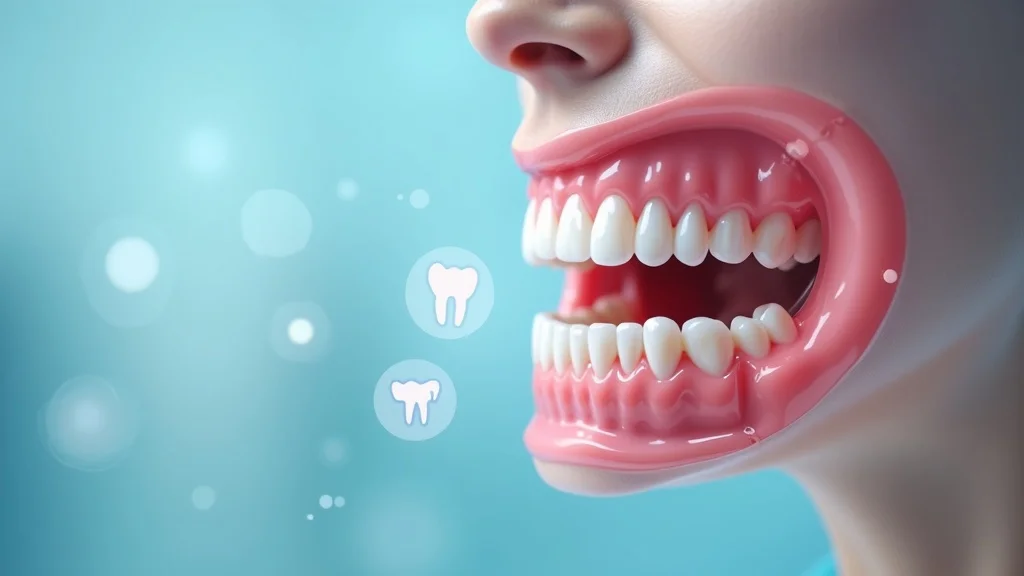
Chronic illnesses are more than daily routines of medication or diet—they intertwine with your oral health in ways that aren’t always obvious. Conditions such as diabetes, gum disease, and osteoporosis all act as force multipliers for bone loss, dental implant failure, and even heart disease. Systemic health isn't isolated from your mouth; in fact, new research reveals that controlling conditions like blood sugar and bone density may be as important for your gums and teeth as they are for your heart or joints. If you've asked, "what if I have health conditions like diabetes, gum disease, or osteoporosis?"—the answer is that your overall wellbeing and dental future are profoundly connected, requiring a tailored and preventive approach.
This connection makes it even more critical to seek specialized dental care that acknowledges your broader medical profile. With medical advances and thoughtful protocols—such as those pioneered by Dr. Jared Van Ittersum—patients can now access safe, effective, and affordable solutions that account for their systemic health and minimize risk. Addressing these links from the start means fewer surprises, better outcomes, and real peace of mind.
What You'll Learn About 'What if I Have Health Conditions Like Diabetes, Gum Disease, or Osteoporosis'
The connection between systemic health and oral health when dealing with gum disease, diabetes, or osteoporosis
How medical conditions influence bone loss, periodontal disease, and dental care choices
Strategies to safeguard your dental and overall wellbeing with expert, data-driven advice
Understanding Systemic Health: How Chronic Diseases Impact Oral Health
The impact of chronic diseases on your oral health isn't just theory—it's a critical concern. Numerous studies confirm that the mouth is a "window" to your body’s systemic health. When you face health conditions like diabetes or osteoporosis, your immune response, bone density, gum tissue, and even blood flow can change dramatically, creating a higher risk for dental problems like periodontal disease and tooth loss. For example, poor oral hygiene becomes even more risky, as infections can more easily spread, healing may be slower, and the underlying bone structure grows fragile. High blood sugar or low bone density are much more than numbers on a lab report—they directly affect your gums and teeth, often before you feel any pain or see warning signs.
Left unmanaged, these health issues also amplify the risk factor for major problems like jawbone resorption, implant failure, and systemic complications, including heart disease. The pathway is bidirectional: while diabetes can worsen your gum disease, gum inflammation itself can make it harder to keep blood sugar steady, increasing the risk of complications. For menopausal women or those using osteoporosis medications, unwelcome surprises like gum recession or loose teeth may be more likely. Doctors are now urging a more holistic model of care, working closely across specialties to prevent the invisible cycle of worsening oral and medical health. Recognizing these connections—and acting early—can help you preserve not just your smile, but your fuller long-term wellbeing.
How Diabetes, Gum Disease, and Osteoporosis Interact With Systemic Health
Your mouth doesn’t operate in a vacuum. Diabetes, osteoporosis, and gum disease interact with your entire body through networks of inflammation, immune response, and cellular health. For instance, diabetes doesn't just make gum disease worse—it is a proven risk factor for periodontal disease progression and bone loss. In return, untreated gum inflammation makes it harder to manage blood sugar, increasing the complications associated with diabetes throughout the body. With osteoporosis, reduced bone density isn’t limited to your hips or spine; it’s a silent predator in your jaw, endangering the foundation for your teeth and implants. This "silent" loss can leave you prone to tooth loss and limit the dental care solutions available.
Furthermore, systemic health extends to conditions like heart disease and even respiratory illnesses, all of which are linked to poor oral health and periodontal disease. Healthcare professionals now recognize oral health as an "early warning system" for more serious systemic diseases, making regular dental checkups and tailored care strategies even more vital for those with chronic conditions. Whether it’s through dietary sugar levels, bone metabolism, or the transmission of harmful bacteria, the dialogue between your mouth and your body is always active—and stewardship of both domains is essential for lifelong health.
The Bidirectional Relationship Between Diabetes and Periodontal Disease
How uncontrolled blood sugar exacerbates gum disease
Inflammation and immune response challenges
"Maintaining stable blood glucose is crucial—not just for your heart but for your gums and bone health." – Dr. Jared Van Ittersum
One of the most important connections in systemic health is the link between diabetes and periodontal disease. Poorly controlled sugar levels weaken your body's defense against harmful bacteria, especially along the gum line, creating the perfect storm for gum inflammation and bone loss. As blood sugar rises, blood vessels narrow, reducing blood flow to gum tissue and impairing healing. This makes infections easier to start and much harder to clear, especially after dental procedures or if oral hygiene slips even a little.
The relationship is a two-way street: as periodontal disease progresses, gum tissue and bone structure erode, increasing systemic inflammation and further elevating blood glucose levels. This cyclical effect "feeds" itself—turning gum health into a cornerstone of diabetes management. Effective control requires working closely with your dental and medical team, adjusting hygiene routines, and acting on early warning signs. Because diabetes-related bone and gum loss can often go unnoticed, proactive monitoring and expert-guided care become not just beneficial, but necessary.
Osteoporosis, Bone Loss, and Their Dental Consequences
How bone loss affects jaw stability and implant success
Osteoporosis medications and oral complications
Osteoporosis is notorious for reducing bone density in the hips, spine, and wrists—but its effects on your dental health can be just as devastating and even more subtle. With diminished bone density in the jaw, the anchors that keep teeth stable (and that support dental implants) are eroded over time. This process often goes unnoticed until a tooth becomes loose, or an x-ray reveals significant jawbone shrinkage. For anyone considering dental implants as a solution to tooth loss, osteoporosis presents unique challenges: even minor trauma or pressure can lead to implant failure, while traditional surgical techniques often require more invasive bone grafting or removal.
Medications prescribed for osteoporosis—like bisphosphonates—present their own risks. While they slow bone loss, they can sometimes make it harder for the jawbone to recover after dental surgery, potentially leading to rare but serious conditions such as osteonecrosis. That’s why experts like Dr. Van Ittersum utilize minimally invasive implant techniques that are designed to stimulate bone, minimize trauma, and avoid aggravating the fragile bone conditions found in osteoporosis. Knowledge of your bone health is a crucial part of any tailored dental care plan, particularly for menopausal women or those with a known history of systemic bone disease.
The Overlap of Gum Disease With Heart Disease and Other Health Conditions
The role of oral bacteria in cardiovascular risk
Inflammatory mediators connecting mouth and body
Mounting evidence now makes it clear that gum disease and heart disease are closely linked. The inflammation associated with periodontal disease doesn’t stay confined to your mouth—it sends inflammatory mediators and bacteria into the bloodstream, raising the risk of cardiovascular problems. Researchers believe that bacteria from the gum line can trigger blood clots and even contribute to arterial plaque. People with chronic gum disease may therefore have a higher risk of heart attacks, strokes, or worsening outcomes from existing heart disease.
The connection isn’t exclusive to the heart. Ongoing gum inflammation can raise the risk for complications in people with diabetes, respiratory illnesses, and systemic conditions like rheumatoid arthritis. In short, oral bacteria act as unwelcome "travelers" in your body, making it clear that keeping your gums healthy is not just about oral health—it’s a fundamental factor in comprehensive disease prevention across the body. For at-risk individuals, this means not just brushing and flossing, but regular, expert dental checkups and a team-based approach with your physician.
Gum Disease: Risks and Realities for Those With Chronic Health Conditions
Gum disease, also called periodontal disease, is far more than a nuisance—it’s a chronic infection that slowly destroys gum tissue, underlying bone, and in severe cases, even entire teeth. When combined with systemic diseases like diabetes or osteoporosis, the risk of rapid progression and severe consequences increases dramatically. That’s because these systemic health issues can compromise your body’s natural ability to fight off infection or heal after injury. The American Academy of Periodontology warns that those living with diabetes or reduced bone density should consider themselves at increased risk for advanced gum problems, making early detection and proactive dental care an absolute necessity.
Left untreated, periodontal disease doesn’t just stay in your mouth. It can become a driver for other systemic diseases, amplify existing ones, and even jeopardize medical procedures—such as joint replacements or heart surgery. The reality is clear: everyone should treat gum health as part of their larger health plan, but for individuals with complex medical profiles, vigilance is absolutely critical.
Why Gum Disease Is More Dangerous if You Have Diabetes or Osteoporosis
The danger of gum disease is multiplied for people managing diabetes or osteoporosis. High blood sugar, for example, thickens blood vessels and impedes circulation, making it harder for nutrients and oxygen to nourish gum tissue—and for waste products to be carried away. This impaired healing at the gum line means even minor infections can become persistent or chronic. For those with osteoporosis, every episode of gum inflammation can accelerate bone loss, causing teeth to loosen and increasing the odds of permanent tooth loss. Even oral hygiene routines that once kept problems in check may no longer be enough; treatment needs to be preventive, targeted, and often more aggressive.
Without intervention, the outcome can cascade: untreated gum disease leads to greater bone loss, which leads to more tooth instability, and may ultimately remove or limit the possibility of dental implants. The best defense is a proactive, medically informed approach—one that leverages the experience of specialists who understand both sides of the equation, and who can adapt your care to keep you ahead of complications.
Signs You May Be Missing: Early Detection of Periodontal Disease
Swollen, bleeding gums and mobility of teeth
Bone loss and silent progression in at-risk populations
Early detection of periodontal disease is critical—especially if you have systemic health risks like diabetes or osteoporosis. Warning signs can be subtle: persistent bad breath, swollen or tender gums, or slight bleeding along the gum line during brushing and flossing. For patients with compromised systemic health, even early gum recession or loosening teeth may indicate underlying bone loss. Because bone breakdown is often "silent," meaning you feel no pain or discomfort until severe damage is done, it’s easy for at-risk patients to dismiss the early stages of gum disease. Any change in how your teeth fit together, new spaces between teeth, or unexplained sensitivity warrant immediate dental evaluation—preferably by a provider familiar with systemic health complexities.
Regular dental checkups—including digital x-rays and measurements of gum pockets—are non-negotiable if you’re facing increased health risk factors. Deep cleanings, targeted oral hygiene routines, and medical therapies may all be needed to halt progression and protect both your dental and overall health.
Explainer: How Gum Disease Progresses in Patients With Diabetes and Osteoporosis
Bone Loss: The Hidden Threat in Periodontal and Systemic Health

Comparison of Health Conditions and Their Oral Impacts |
||
Health Condition |
Oral Impact |
Long-Term Risks |
|---|---|---|
Diabetes |
Impaired healing, increased infection risk |
Rapid periodontal progression |
Osteoporosis |
Reduced bone density, implant failure risk |
Tooth loss, jawbone resorption |
Gum Disease |
Inflammation, bone loss |
Heart disease, systemic infections |
Bone loss may be the single greatest invisible threat to your smile—especially for those facing diabetes, osteoporosis, or ongoing gum disease. Often progressing with few symptoms, the loss of jawbone density undercuts the structure needed to keep teeth, gums, and even implants stable. Over time, bone loss leads to changing facial appearance, fewer dental options, and the need for more complex (and costly) reconstruction. In patients with systemic diseases, bone loss is more aggressive and can even compromise the safety or effectiveness of future dental procedures. That’s why early detection, ongoing monitoring, and biologically supportive interventions—like those provided by Dr. Van Ittersum—are the smart choice for anyone seeking longevity, comfort, and peace of mind.
Whether bone loss is caused by systemic illness or long-term oral neglect, recovery and restoration are possible. A new wave of dental technology is now making it possible to stimulate natural bone retention, minimize surgical trauma, and deliver reliable results even for those with complex health backgrounds.
Dental Care Strategies for Patients With Chronic Health Conditions
If you’re wondering what if I have health conditions like diabetes, gum disease, or osteoporosis, here’s the good news: modern dentistry offers well-proven strategies to safeguard your smile and health. The first step is finding a practice that prioritizes comprehensive medical assessment and tailors every dental care plan to fit your unique risk profile. Always share your medical and medication history in full—this often reveals subtle risk factors that guide safe, effective treatment. Next, look for teams that work collaboratively: your dentist, physician, and any relevant specialists should communicate to keep all aspects of your care aligned.
Prevention remains the best medicine—you’ll want adaptive oral hygiene routines (like using electric brushes or water flossers), targeted daily hygiene, and medical-grade products adjusted for sensitive gums or bone concerns. Practices led by experts in chronic and systemic health—such as Dr. Van Ittersum’s—design every step to minimize trauma, support rapid healing, and reduce the likelihood of complications, even for medically complex patients. Personalized follow-up and proactive care are your insurance policy for both oral and systemic health.
Personalized Dental Care Plans for Bone Loss, Systemic Health, and Periodontal Disease
Importance of thorough medical/dental history
Proactive management with a multidisciplinary team
Adaptive hygiene routines and product recommendations
Success in dental care starts with personalization. Every plan must consider your systemic health, medications, and risk factors. This means updating medical records at each visit, screening for underlying diseases, and integrating your health goals. Multidisciplinary teams—featuring dentists, hygienists, physicians, and sometimes endocrinologists—work together to catch problems early and treat them efficiently. For patients coping with chronic periodontal disease or bone loss, enhanced cleanings, prescription rinses, targeted antibiotics, and regenerative therapies (like laser or bone-promoting gels) all add layers of protection.
Beyond professional care, daily strategies become more critical. Routine use of soft-bristle brushes, therapeutic mouthwashes, and oral irrigators can help control plaque and harmful bacteria at the gum line. For patients using medications that affect saliva or bone health, hydration and remineralizing toothpaste can also help reduce infection and tooth decay. Ultimately, a sustained partnership with your dental team—supported by open communication and regular dental checkups—creates the best defense against both immediate and long-term risks.
Safe Dental Implant Solutions for Patients With Diabetes and Bone Loss
"Modern implant systems—like the All-on-1 Mono Full Arch—are designed to preserve bone and minimize surgical trauma, especially critical for patients with systemic health vulnerabilities." – Dr. Jared Van Ittersum
Traditional dental implants sometimes require extensive bone removal or surgery—riskier prospects for patients with systemic disease. But next-generation options like the All-on-1 Mono Full Arch System pioneered by Dr. Van Ittersum are specifically engineered for safety, rapid healing, and biological compatibility. These systems use more, thinner implants (8–10 vs. 4–6), which distribute force more evenly, stimulate natural bone, and reduce trauma. This means fewer post-surgical complications, lower risk of infection, and a faster return to normal eating and speaking—even for those with reduced bone density or higher medical risk.
The All-on-1 Mono approach is also less expensive than traditional systems and avoids many of the hidden annual fees or maintenance costs of older techniques. For patients who want a natural look and strong functionality without sacrificing future health, these systems represent the “gold standard” for both medical safety and smile aesthetics. Choosing a provider experienced with medically complex patients, and who can offer a truly customized approach, makes all the difference between temporary fixes and lifelong solutions.
Infection and Healing: Special Considerations for Medical Risk Groups
Antibiotic protocols and wound management
Addressing reduced immune response
Infection control is paramount for anyone facing systemic health risks. Patients with diabetes or autoimmune disease often have slower healing and lower immune response, making it easy for minor infections to spiral into bigger threats. That’s why practices like Dr. Van Ittersum’s employ advanced antibiotic protocols, careful wound monitoring, and less invasive surgical techniques to keep infection risks low. Special attention is paid to hydration, blood sugar stabilization, and the use of anti-inflammatory therapies to ensure smooth, complication-free recovery.
Aftercare is equally important—clear instructions, frequent follow-ups, and immediate attention to even minor symptoms are essential for prevention and peace of mind. Simple proactive steps keep minor issues from turning into major setbacks, ensuring you return to full health and confidence as quickly as possible.
Bone Loss, Dental Care, and Rebuilding Your Smile: Realistic Options
Suffering from bone loss or advanced gum disease doesn’t close the door to a lively, functional smile—far from it. Modern dental science, with its minimally invasive techniques and biologically supportive implants, offers hope and solutions for even the most at-risk patients. Dr. Jared Van Ittersum is a national leader in providing these options, using methods that prioritize your existing bone and gum, minimize unnecessary trauma, and deliver predictable, beautiful results.
As one of the foremost experts in mono-implantology, Dr. Van Ittersum’s All-on-1 Mono Full Arch System stands out for patients with medical complexities. Unlike systems that demand significant bone removal or create excess stress, mono implants mimic natural flex in bone, actively promoting retention and stability. The result? Happy, healthy smiles delivered quickly and affordably to those once told implants were impossible—and without the pain, expense, or long recovery associated with old-fashioned techniques.
How Dr. Jared Van Ittersum Tackles Bone Loss and Periodontal Disease in At-Risk Populations
Minimally invasive techniques that minimize bone reduction
Isoelastic mono implants for bone stimulation and preservation
Affordable, customized care for complex medical backgrounds

Dr. Van Ittersum’s approach begins with careful diagnosis and a commitment to biological preservation. Using 3D scanning and digital modeling, he plans every implant to maximize existing bone and avoid the invasive surgeries (like flap procedures or block grafts) often required by legacy systems. His mono implants are engineered for “isoelasticity”—flexing with your natural bone rather than fighting against it. This unique property not only guards against bone resorption and implant failure but also engages your jaw in the same way natural teeth would, keeping facial shape and bite strong for life.
For patients who have been turned away elsewhere due to medical or financial obstacles, Dr. Van Ittersum offers transparent, affordable pricing—and the compassionate hands-on care for which his office is known. The journey from diagnosis to a confident smile is now shorter, less painful, and open to anyone serious about restoring health and function, no matter their background.
People Also Ask: Managing Oral and Systemic Health Challenges
What can you do for gum disease?
Professional cleaning and deep cleanings (scaling and root planing)
Daily oral hygiene, medical management of risk factors
Advanced therapies: laser, antibiotics, and regenerative options
Effectively managing gum disease starts with a visit to a dental professional. Scaling and root planing are advanced cleaning procedures that remove harmful bacteria and tartar below the gum line, while ongoing dental checkups catch problems before they progress. At home, maintaining rigorous oral hygiene—twice-daily brushing, flossing, and antimicrobial rinses—protects against new infection. For stubborn cases, laser therapy, localized antibiotics, and regenerative therapies (like growth factors or bone-promoting proteins) can help regenerate lost tissue and support bone density. The key is a proactive approach tailored to your systemic health profile.
Can you live with gum disease?
Possible, but risks chronic infection, bone loss, and higher systemic health risks
Regular care and monitoring are essential for quality of life
While it’s technically possible to live with gum disease, doing so means accepting chronic inflammation, slow but steady bone loss, and significantly higher risk for serious systemic diseases like heart disease and diabetes complications. Untreated, gum disease can also reduce your quality of life—affecting your ability to chew, speak, and even feel confident in social settings. The smartest approach is regular, preventive dental care: cleanings every 3–6 months, routine monitoring, and consulting providers experienced with at-risk populations.
What is the cause of gum disease?
Plaque and bacteria are primary drivers
Genetics, diabetes, osteoporosis, and immune conditions worsen risk
The root cause of gum disease is the accumulation of plaque—a sticky film of bacteria that settles at the gum line. If left untreated, these bacteria trigger immune reactions that inflame the gums and begin to erode supporting bone. Genetic factors, poor oral hygiene, and systemic problems—including diabetes, osteoporosis, and immune deficiencies—all combine to make some people more vulnerable. Addressing all risk factors, both local (oral hygiene) and systemic (whole-body health), is the only way to truly prevent and control gum disease progression.
Can gum disease make you sick?
Yes, gum disease can increase the risk of systemic illnesses: heart disease, diabetes complications, respiratory infections
Absolutely. Untreated gum disease has been conclusively linked to increases in systemic illness—including cardiovascular disease, uncontrolled diabetes, and respiratory infections. Bacteria and toxins from the mouth can easily enter the bloodstream, where they exacerbate inflammation and create new health issues elsewhere in the body. Managing gum disease is therefore not just a matter of oral health, but is essential for total-body wellbeing—underscoring the need for regular dental care adapted to your health status.
Key FAQs: What If I Have Health Conditions Like Diabetes, Gum Disease, or Osteoporosis
Can I get dental implants if I have osteoporosis or poorly controlled diabetes?
How often should I see the dentist if I'm at higher medical risk?
What are the signs dental health is worsening due to a medical condition?
Patient Transformation Stories: Overcoming Medical Barriers to Restored Smiles
Can I get dental implants if I have osteoporosis or poorly controlled diabetes? In most cases, yes—especially with advanced protocols like the All-on-1 Mono System, which minimizes surgical trauma and uses bone-stimulating technologies. However, success depends on careful medical evaluation and integrated care between your dental surgeon and doctor.
How often should I see the dentist if I’m at higher medical risk? At least every 3–4 months, or more frequently as advised by your provider. Early detection and routine cleanings are your best defense against fast-moving gum disease and bone loss.
What are the signs dental health is worsening due to a medical condition? Watch for persistent gum bleeding, loose teeth, changes in bite, dry mouth, or sores that don’t heal. These warning signs require assessment by a qualified dental expert, especially if you have a chronic disease background.
Why the Right Dental Implant Solution Matters if You Have Health Conditions
Whether you’ve suffered from bone loss, gum disease, or a complex medical profile, not all dental implants are created equal. The All-on-1 Mono Full Arch System, championed by Dr. Jared Van Ittersum, sets a new standard in safety and results for at-risk patients. Its tissue-level, isoelastic design distributes pressure gently, protects your bone and gum tissue, and enables rapid, stress-free healing. By contrast, conventional All-on-4 systems require more bone removal, traumatic flap surgery, and have higher risks of postoperative pain, infection, and late-stage bone resorption.
When it comes to price, aesthetics, and biological compatibility, the All-on-1 Mono System consistently delivers better long-term results at a fraction of the cost, making smile restoration accessible for almost anyone, regardless of prior health issues. Choose wisely—the best implant system isn’t just about teeth; it’s about safeguarding your future health and confidence.
All-on-1 Mono Full Arch System Versus All-on-4: A Science-Driven Choice for Medically Complex Patients
All-on-1 Mono vs. All-on-4 System Comparison |
||
Feature |
All-on-1 Mono |
All-on-4 |
|---|---|---|
Bone Preservation |
Maximum |
Moderate/low |
Surgical Trauma |
Minimal |
High |
Cost |
Lower |
Higher |
Healing Time |
Fast |
Longer |
Biomechanical Flex |
High (bone stimulating) |
Rigid (risk of shielded bone loss) |
"A biologically conservative approach is key. Preserving your natural bone and gum is the best predictor of long-term oral health." – Dr. Jared Van Ittersum
Key Takeaways: What if I Have Health Conditions Like Diabetes, Gum Disease, or Osteoporosis
Be proactive—chronic health conditions require personalized, preventive dental care
Choose dental implant protocols engineered to preserve bone and gum tissue
Expert consultation can make tooth replacement safe, comfortable, and cost-effective—even for at-risk patients
Your First Step: Start With a Free Consultation to Protect Your Health and Smile
Call for a free consultation 616-843-5805 or visit our site at https://drjaredvanittersum.com
Conclusion: Don’t let diabetes, gum disease, or osteoporosis steal your smile or jeopardize your overall health. Expert-led care—like that provided by Dr. Jared Van Ittersum—can deliver lasting, beautiful results. Schedule your personalized consultation today for a safer, healthier tomorrow.




Write A Comment