 Add Row
  Add
Add 



Did you know? Over 36 million Americans are missing all of their teeth in one or both jaws. Whether due to age, injury, or disease, missing teeth can impact more than just appearance—they affect oral health, confidence, and quality of life. In this comprehensive guide, we break down how dental implants work, compare modern implant systems, and provide expert insight from nationally recognized implant specialist Dr. Jared Van Ittersum, DDS. Discover how a new smile is possible with today’s transformative technology—and why dental implants have become the gold standard for tooth replacement.
What You'll Learn About How Dental Implants Work
Understand the fundamentals of how dental implants work and their advantages over traditional restoration methods.
Explore the dental implant procedure, including planning, placement, healing, and prosthesis.
Compare different implant systems, including mono and traditional implant systems.
Gain insights into potential risks, pain, and candidacy factors for dental implant surgery.
Discover innovations in dental implants and expert commentary from Dr. Jared Van Ittersum, DDS.
A Startling Statistic: The Truth About Tooth Loss and How Dental Implants Work
Dental Implant Adoption: A Modern Solution to an Age-Old Problem
Tooth loss is a silent epidemic in the United States. Millions of adults suffer from missing teeth, which not only affects their appearance but can lead to other oral health problems such as bone loss, shifting teeth, and difficulty chewing. Thankfully, the dental implant has emerged as the most reliable, long-term solution for tooth replacement. As more patients and dental providers embrace advanced implant systems, the ability to restore both function and aesthetics is now within reach for nearly everyone—regardless of age or circumstance. Modern implant procedures mean patients regain their confidence along with a natural-looking smile, while also improving their overall oral health and quality of life.
“Over 36 million Americans are missing all of their teeth in one or both jaws. Dental implants work to restore function, confidence, and health—often in ways many never thought possible.”
The adoption of dental implants signifies a significant turn in dental care, offering a solution that not only replaces missing teeth but also provides support for artificial teeth while maintaining the health of the jawbone via osseointegration. This innovation is changing lives and setting a new standard for oral health restoration.
Understanding How Dental Implants Work
What Is a Dental Implant? The Science Behind How Dental Implants Work
A dental implant is a biocompatible post, usually made of titanium, that is surgically inserted into the jawbone to replicate the root of a natural tooth. It provides a stable foundation for replacement teeth such as crowns, bridges, or dentures, ensuring a strong bite and preventing issues like shifting teeth or bone loss that often follow tooth loss. What sets them apart from traditional restoration options like dental bridges is their ability to integrate directly with bone in a process called osseointegration. This biological fusion allows the implant system to mimic the strength and stability of real teeth while preventing bone resorption and maintaining facial structure. By understanding how dental implants work on a scientific level, patients and providers alike can appreciate the lifelong benefits these devices bring to oral health and self-esteem.
Unlike removable dentures, dental implants are designed to last—restoring both function and aesthetics. Each component, from the implant post to the prosthesis itself, is engineered for durability and compatibility with your body, making dental implants the preferred solution for replacing missing teeth.
Core Components: Implant System, Abutment, and Prosthesis
The success of dental implants lies in a three-part system: the implant post, the abutment, and the prosthesis. The implant system refers to the foundational post (often made of titanium), which is placed into the jaw. The implant abutment acts as a connector, linking the post to the visible, custom-designed artificial tooth or prosthesis. Together, these components provide support for artificial teeth, ensuring stability and function that closely resembles natural teeth. There are two main types of implant systems: mono (one-piece) and traditional (multi-piece) designs. The mono system integrates the post and abutment into a single unit, which can minimize bacterial infiltration and surgical complexity. By comparison, multi-piece systems have separate abutments that can be adjusted or replaced but may introduce microgaps or additional steps. Understanding the differences between these systems is key to choosing the best treatment for each patient—with factors like strength, bone preservation, and long-term outcomes to consider.
Comparison of Implant System Components |
||
Component |
Mono Implant System |
Traditional Multi-Piece System |
|---|---|---|
Implant Post |
Integrated with abutment; one-piece (no microgap) |
Separate implant and abutment; multiple connections |
Abutment |
Part of implant post (fixed) |
Custom abutment attached post-integration |
Prosthesis |
Fixed to post with minimal hardware |
Secured with screws or cement atop abutment |
Maintenance |
Minimal, due to one-piece design |
May require abutment replacement or deeper cleaning |
Bone Preservation |
Maximizes preservation, less surgical trauma |
May require bone reduction, more invasive |
The Dental Implant Procedure: Step-by-Step
Initial Assessment and Consultation for Dental Implants
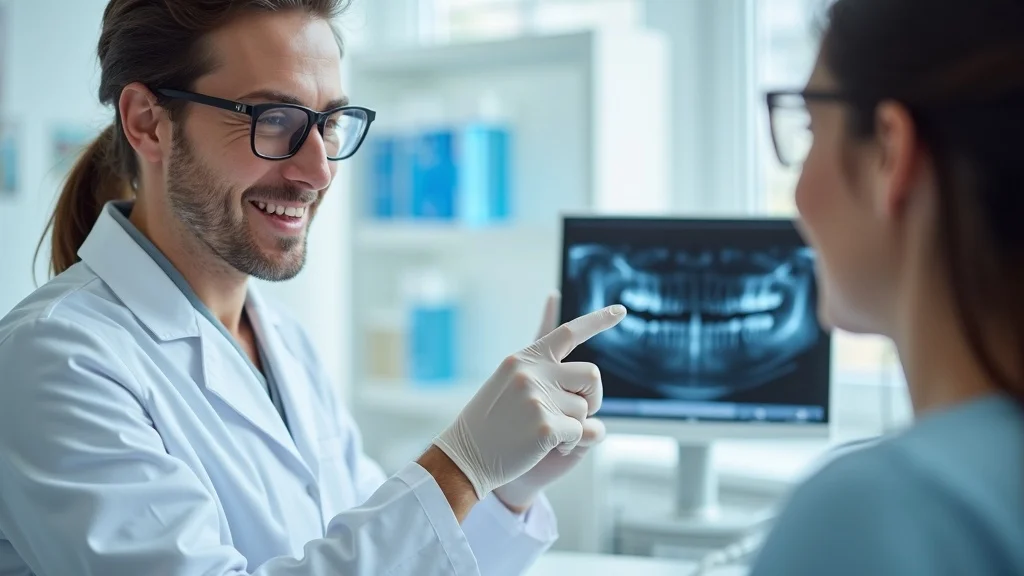
The journey to a restored smile begins with a comprehensive evaluation by a qualified dental provider or oral and maxillofacial surgeon. Using 3D CBCT imaging and digital scans, your clinician assesses oral health, bone quality, and gum status to ensure you’re a suitable candidate for dental implant placement. During this phase, patients discuss their goals, review their medical history, and receive a detailed treatment plan, including timelines and cost. The consultation phase is also your opportunity to ask questions about the implant procedure, the type of implant system recommended, and any potential risks. Planning is essential—by selecting the right system (mono or conventional), providers can tailor the protocol to each patient’s needs, aiming for optimal function, aesthetics, and stability. Most importantly, a thorough assessment ensures safe outcomes and sets realistic expectations for surgery, healing, and restoration.
Comprehensive preoperative planning also includes dental impressions and bite analysis, which help guide implant placement and prosthesis design. This personalized, data-driven approach maximizes the success of the dental implant procedure and minimizes complications, making it the first and most critical step toward a confident new smile.
Dental Implant Placement: Surgery and Beyond
Implant surgery is a meticulously planned process. Under local anesthesia or conscious sedation, the implant post is surgically inserted into the jawbone using a minimally invasive, flapless protocol—especially with modern mono implant systems. Dr. Jared Van Ittersum’s approach with his All-on-1 Mono Full Arch System avoids unnecessary bone reduction and gum removal, dramatically lessening trauma, swelling, and postoperative discomfort. The implant system's design allows for precise placement, leveraging advanced imaging for accuracy. Following placement, a temporary prosthesis may be attached, so patients leave surgery with a functioning smile. Surgical time is often brief, and thanks to the tissue-level, one-piece mono design, most patients experience much faster recovery times compared to traditional implant surgery protocols.
“Minimally invasive placement with the Mono Full Arch System preserves original bone and gum tissue—reducing postoperative pain and recovery time.” — Dr. Jared Van Ittersum, DDS
The postoperative phase requires careful monitoring to ensure healing and integration proceed smoothly. Regular follow-ups and proper oral hygiene are essential, helping to support the biological fusion process and reduce risks of infection or implant failure. With modern protocols, most patients transition to soft foods within just days of their surgery.
Osseointegration: How Dental Implants Fuse With the Jawbone
Osseointegration is the cornerstone of how dental implants work. This critical biological process involves the jawbone growing and fusing directly with the titanium implant post—creating a stable and long-lasting anchor for artificial teeth. Unlike traditional dentures or dental bridges, which rest atop the gums and may shift or cause discomfort, osseointegrated implants provide support for artificial teeth in a way that feels and functions just like real teeth. The process typically takes several months (about 3–6 months, depending on bone quality), during which the implant becomes securely fixed in place. Successful osseointegration results in a foundation strong enough to withstand daily chewing and biting forces, delivering lifelong restoration and preventing jawbone loss that often happens after losing one or more teeth.
The biological compatibility of the implant material, usually titanium, is vital—reducing the risk of allergic reaction or failure. Proper osseointegration also ensures that the surrounding gum stays healthy and prevents complications, making it the most important factor in dental implant longevity and patient satisfaction.
Attaching the Final Prosthesis: The Smile Transformation
Once the dental implant is securely integrated, the final prosthesis—whether crown, bridge, or full-arch restoration—is attached. Custom-crafted to match the shape, shade, and translucency of natural teeth, this prosthesis restores not just your bite, but also your smile and confidence. Modern digital workflows allow dental providers to design and mill lifelike zirconia or ceramic prostheses that blend seamlessly with your facial features. The connection is secure and permanent, yet maintenance is straightforward—typically involving daily oral hygiene and routine check-ups. Patients can now eat, speak, and smile without worry, enjoying the full functional and aesthetic benefits of their dental implant system. This final stage is the ultimate reward for those who choose dental implants: a smile that looks natural and is built to last.
Unlike removable dentures, implant-supported prostheses prevent further bone loss and often improve facial structure by preserving natural contours—making them the favored solution for comprehensive tooth replacement in modern dentistry.
Dental Implant Systems: Mono vs. Traditional Approaches
All-on-1 Mono Full Arch System: Engineering Precision in Dental Implants
Over-engineered strength and tissue-level design: The All-on-1 Mono system uses 8–10 mono implants per arch, distributing bite forces evenly and providing unparalleled durability. Its tissue-level design forms a tight seal at the gum line, reducing inflammation and risk of peri-implant disease.
Isoelastic flexibility and bone stimulation: Mono implants flex with the jaw’s natural movements, stimulating bone retention and preventing the bone loss (resorption) seen with traditional, rigid implants. This feature leads to healthier, longer-lasting outcomes and a more natural feel.
Dr. Van Ittersum’s All-on-1 Mono Full Arch System prioritizes biological preservation, minimally invasive surgery, and immediate function. Patients leave surgery with a full smile and heal more comfortably—with a protocol that reduces cost, trauma, and recovery time compared to traditional methods.
Traditional Implant Systems (All-on-4, Multi-Piece)
Invasive protocols and bone reduction: Traditional implant systems like All-on-4 often require shaving down the jawbone, removing healthy gum tissue, and placing larger, multi-piece fixtures—extending procedure time and increasing surgical trauma.
Affected aesthetics and increased postoperative discomfort: The necessary use of pink acrylic or bulky ceramic to “replace” lost gum tissue leads to less natural-looking prosthetics. Patients may experience greater swelling, pain, and longer downtime—sometimes waiting months for final teeth while enduring uncertain results.
While conventional implants offer proven support for artificial teeth, their protocol may result in more complications, greater costs, and maintenance challenges over time. Patients considering dental implants should weigh these differences carefully with their dental provider, focusing on long-term health and overall patient experience.
All-on-1 Mono vs. Conventional All-on-4/Bridge Dental Implants |
||
Feature |
All-on-1 Mono Full Arch |
All-on-4/Traditional Multi-Piece |
|---|---|---|
Number of Implants per Arch |
8–10 |
4–6 |
Tissue Preservation |
Preserves more natural gum and bone |
Often requires removal/reduction |
Healing Time |
24–48 hours to soft foods |
Up to several weeks |
Pain & Discomfort |
Minimal, quick recovery |
More pronounced, longer-lasting |
Aesthetics |
Lifelike, natural gums and smile |
Bulky, less natural prosthesis |
Costs & Maintenance |
Less expensive, fewer hidden fees |
Higher and ongoing maintenance |
Dental Implant Surgery: What to Expect and Who Qualifies
Implant Surgery Steps: From Preparation to Recovery
Preparation for dental implant surgery begins with a comprehensive oral exam, including digital imaging, 3D scanning, and medical history review. The dental provider plans the precise location for implant placement, using advanced technology to guide the procedure and reduce complications. On the day of surgery, the specialist uses minimally invasive techniques—especially with mono implant systems—significantly cutting down operative time and tissue trauma. Patients often receive temporary teeth so they leave the clinic with a new smile the same day. Recovery protocols focus on gentle hygiene, soft food diets, and close follow-up to ensure smooth osseointegration and healing. Most report returning to daily activities within days, thanks to tissue-preserving procedures pioneered by experts such as Dr. Van Ittersum.
Postoperative care in dental implant surgery typically includes scheduled check-ups, personalized recovery instructions, and ongoing support from your implant team. By following these protocols, patients enjoy high success rates, minimal discomfort, and a swift return to their normal lifestyle and dietary habits.
Ideal Candidates for Dental Implant Placement
Not everyone qualifies for dental implants, but most adults in reasonable health with missing teeth make excellent candidates. Ideal patients have sufficient bone density and healthy gum tissue, as these factors support successful implant placement and healing. Those with chronic illnesses (like uncontrolled diabetes), heavy smokers, or untreated gum disease may require additional evaluation or preparatory procedures. Your dental provider may recommend bone grafting or periodontal therapy to improve your candidacy and ensure the best outcome. Children and adolescents generally aren’t eligible until facial growth is complete. The comprehensive evaluation process—reviewing medical history, dental imaging, and oral health—helps identify risks and tailor treatment plans. A free consultation and 3D scan, such as those offered by Dr. Van Ittersum, are essential steps in this process, ensuring every patient receives expertise-driven care designed for long-term success.
Even those who’ve been told they are not candidates for traditional implants may qualify for advanced mono systems, thanks to their less invasive technique and superior adaptability. Always consult with a qualified maxillofacial surgeon or implant specialist to explore your options for tooth replacement.
Risks, Contraindications, and How Problems Are Avoided
Bone quality, health factors, and gum disease management: The leading causes of implant failure are poor bone quality, uncontrolled medical conditions, and untreated gum disease. Careful assessment eliminates most risks before surgery. Maintaining good oral hygiene and routine dental visits are critical after implant placement.
Potential complications can include infection, allergic reaction (rare with titanium), implant loosening, or peri-implantitis (gum inflammation around the implant). Mono implant designs, by reducing microgaps and avoiding unnecessary surgical trauma, dramatically lower these risks. Working with an experienced provider and following their postoperative instructions ensure the highest success rates. Preoperative preparation—like quitting smoking, managing systemic health issues, and addressing any gum disease—further supports favorable outcomes for dental implant surgery. If you’re uncertain about your risks or options, ask your dental provider for a full discussion of benefits, risks, and alternatives before committing to the procedure.
Benefits of Dental Implants: Function, Aesthetics, and Longevity
Precision Engineering for Natural Feel, Function, and Beauty
“Nothing is more beautiful or biologically stable than the tissue God gave you. Our job is to preserve it.” — Dr. Jared Van Ittersum, DDS
Return to eating favorite foods: Dental implants restore the full function of natural teeth, letting patients bite into steak, corn on the cob, or apples with confidence—without fear of prosthetic slippage or discomfort.
Lifelong restoration of smile and self-esteem: Unlike a dental bridge or removable denture, implants support a youthful facial structure, prevent bone loss, and provide a smile that looks and feels genuine. Patients consistently report dramatic improvements in emotional wellbeing, social interaction, and self-esteem after their dental implant procedure.
Dental implants are the only solution that truly mimics the biomechanics of natural teeth, with results that last decades or even a lifetime. With innovations like Dr. Van Ittersum’s All-on-1 Mono Full Arch System, patients experience outcomes that are not just functional, but beautiful and life-changing. Precision fabrication and tissue-level design mean less maintenance, less pain, and a smile uniquely engineered for each individual’s personality and needs.
How Painful Is a Dental Implant?
Pain During and After Dental Implant Surgery
The idea of dental implant surgery can be intimidating, but advances in minimally invasive techniques have made the process surprisingly comfortable. Most modern implant placement—especially with mono systems—involves little more sensation than conventional dental work, with local anesthesia ensuring pain-free treatment. Postoperative discomfort is usually managed with over-the-counter pain relievers and subsides within a few days. Swelling and mild bruising may occur, but these symptoms pass quickly for most patients. Unlike traditional, more invasive protocols, where healing is drawn out and pain may persist for weeks, the All-on-1 Mono approach pioneered by Dr. Van Ittersum allows for a much smoother recovery experience. Staying on soft foods and following your provider’s aftercare instructions further reduces any discomfort associated with dental implant surgery.
If you’re nervous about the procedure, ask your dental provider about sedation options and pain management protocols—they exist to keep you comfortable at every step.
How Dr. Van Ittersum’s Minimally Invasive Approach Reduces Discomfort
“Most patients are pain-free and return to soft foods within days—contrasting sharply with more invasive implant surgeries.”
Dr. Van Ittersum’s protocol is designed to minimize pain and downtime. By avoiding gum flaps, unnecessary bone removal, and multiple surgical stages, his All-on-1 Mono Full Arch System limits trauma and speeds recovery. Patients are able to eat, speak, and smile confidently within 24–48 hours, with far fewer complications than traditional implant systems. The tissue-level integration of mono implants prevents inflammation and reduces the risk of pain-related complications. For many, the experience is transformative—not just in function, but in comfort, emotional wellbeing, and quality of life. Choosing a minimally invasive dental implant system can make all the difference in your journey to a healthy, beautiful smile.
What Does No One Tell You About Dental Implants?
Hidden Factors in Dental Implant Placement and Recovery
Even the most thorough online research can miss important aspects of dental implant procedures. One often-overlooked factor is the emotional journey; while the physical results are dramatic, patients frequently experience a newfound sense of confidence and freedom. Additionally, the style of implant system chosen—mono vs. traditional—can influence not just surgery experience and pain, but also long-term maintenance and costs. Mono systems often skip annual removal fees, extra hardware, and the “pink” acrylic gum substitute seen with older approaches. Another hidden benefit: mono implants stimulate natural bone, helping preserve your facial profile and youthful look. On the practical side, it’s rare to hear that most patients can leave surgery day with a full, temporary smile—and that discomfort is much less severe than anticipated, especially when working with a trained, patient-centered provider.
Finally, true success with dental implants is as much about the provider as the product; choose a team with advanced training in contemporary, tissue-preserving techniques for the best possible outcome.
The Long-Term Value of Choosing the Right Implant System
While initial cost is important, the real value of dental implants emerges over years—or decades. A well-designed, properly placed implant rarely needs replacement or significant ongoing maintenance. In contrast, traditional systems may require hidden fees, prosthetic relining, and more chair time due to design limitations. Investing in a precision-engineered, minimally invasive solution like the All-on-1 Mono Full Arch can mean fewer surprise bills, longer-lasting results, and an easier recovery journey. The right implant system not only saves money, but preserves more of your own tissue and bone, leading to superior aesthetic and functional outcomes. When you decide on tooth replacement, look beyond the price tag and consider long-term comfort, performance, and the expertise of your provider for the highest return on your investment.
What Is the Downside of Dental Implants?
Potential Risks and Complications
Like any surgical procedure, dental implant surgery carries some risks. The most common include infection, allergic reaction (very rare with high-grade titanium), injury to adjacent teeth or nerves, and implant failure due to poor healing or bone loss. Gum disease and inadequate oral hygiene can also undermine implant stability, as can certain chronic illnesses or lifestyle factors like smoking. Fortunately, thorough planning, expert placement, and advanced system design significantly minimize these complications. Choosing a tissue-level mono implant system and an experienced provider further drops your risk, as these innovations virtually eliminate microgaps where bacteria can invade.
The key to avoiding complications? Work with a provider who prioritizes biological preservation, comprehensive assessment, and strictly follows protocols for safe, minimally invasive implant surgery.
Cost, Maintenance, and Avoiding Dental Implant Failure
The financial investment in dental implants is significant, but it’s offset by decades (or even a lifetime) of service. Upfront costs are higher compared to dentures or bridges, but exclude the ongoing expenses and inconvenience of replacements, repairs, and maintenance linked to traditional methods. Modern mono implant systems are not only priced competitively—they help prevent hidden annual fees (such as for prosthetic removal or relining). Maintenance typically includes daily brushing, flossing, and regular dental visits, not unlike caring for natural teeth. The lifetime success rates for dental implants are above 95% in healthy, compliant patients. Failure is rare, and often preventable with diligent hygiene and routine provider care. Always discuss your specific needs, risks, and financial options in detail during your initial consultation to ensure your investment is protected for years to come.
What Are the Three Stages of a Dental Implant?
Stage 1: Implant Surgery and Placement
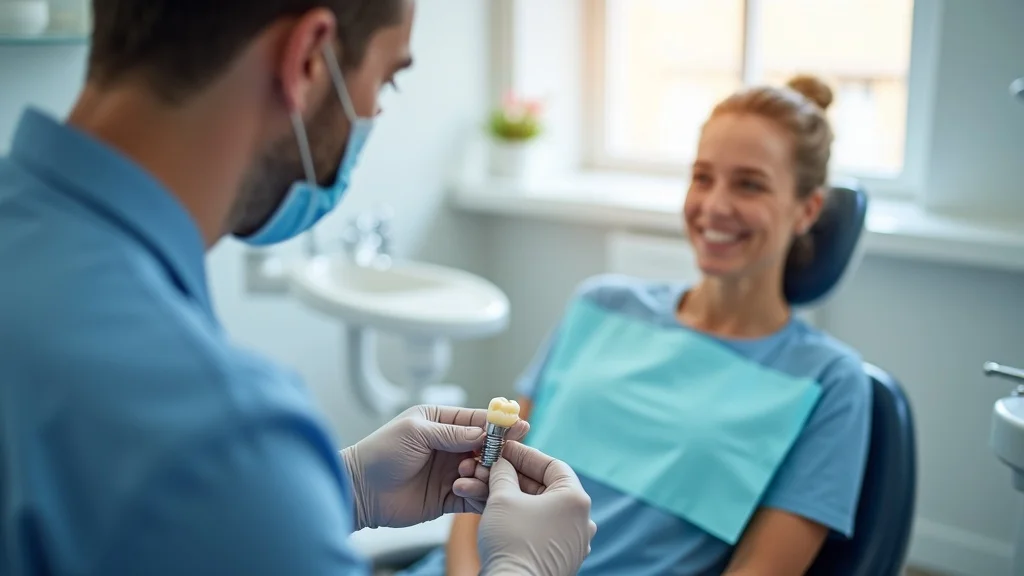
The first stage begins with the surgical placement of the dental implant post into the jawbone by a skilled oral and maxillofacial surgeon or experienced dental implant provider. This minimally invasive procedure is performed under anesthesia to ensure your comfort. Precision guidance, often aided by digital 3D scans, allows the implant to be inserted accurately, preserving the bone and surrounding tissue. Patients typically receive a temporary prosthesis on the same day, enabling them to smile and function while healing. The immediate outcome is both practical and confidence-boosting, setting the stage for a smooth recovery and successful integration.
Stage 2: Healing, Osseointegration, and Temporary Prosthesis
During this stage, the jawbone fuses with the implant post through osseointegration, forming an unbreakable bond that provides a secure foundation for artificial teeth. Healing takes several weeks to a few months, depending on overall health, bone quality, and the specific system used. Patients wear a comfortable, aesthetically pleasing temporary prosthesis as the bone grows in. Modern mono system protocols, like those of Dr. Van Ittersum, allow for gentle healing and reduce the risk of complications, making this period much more manageable than past implant procedures. Adhering to postoperative care instructions and maintaining excellent oral hygiene are critical for success during this phase.
Stage 3: Permanent Prosthesis and Long-Term Care
After full healing and integration, your provider replaces the temporary prosthesis with a custom-made, permanent restoration crafted to mimic your natural teeth. This stage marks the culmination of the implant process, delivering a strong, beautiful, and maintenance-friendly result. Long-term care is simple: brush, floss, and see your dental provider for routine maintenance and evaluation. With proper attention, your dental implant can last a lifetime, restoring the joy of eating, laughing, and smiling freely—every day.
Dental Implant Timeline & Expected Milestones |
|||
Stage |
Action |
Time Frame |
Key Milestone |
|---|---|---|---|
Stage 1 |
Implant placement and temporary prosthesis |
Same day |
Leave surgery with a functioning smile |
Stage 2 |
Healing and osseointegration |
2–4 months |
Bone fuses with implant |
Stage 3 |
Permanent prosthesis placement and ongoing care |
After healing |
Restore final aesthetics and function |
Patient Experiences: Stories of Transformation With Modern Dental Implants
“Receiving the All-on-1 Mono dental implant changed my life—I can eat steak, laugh, and smile again without worry.” — Patient Testimonial
Emotional and social benefits of smile restoration: Patients frequently report an increase in confidence and comfort in social situations, often re-engaging in activities and relationships they once avoided due to embarrassment about missing teeth.
Before/after examples (potential image/video content): The change goes beyond physical health—restored smiles empower people to live fully, pursue new opportunities, and enjoy every meal with friends and family.
Watch a real patient’s journey before and after receiving modern dental implants. Their story captures the renewed confidence and transformation only possible through today’s minimally invasive, advanced implant systems.
Innovations in Dental Implants: The OPI Institute and Dr. Jared Van Ittersum
How the OPI Institute Shapes the Future of Implant Systems
The OPI (One Piece Implant) Institute, co-founded by Dr. Jared Van Ittersum, is revolutionizing dental implantology in the United States. The Institute focuses on training dentists in the art and science of mono implantology—techniques that integrate engineering precision with a biologically conservative approach. This mission fills a critical gap in U.S. dental care, offering advanced instruction in tissue preservation, digital workflow, and immediate-load protocols. By connecting American providers to global innovations—tested for decades in Europe and beyond—the OPI Institute is raising the bar for implant systems nationwide, ensuring better patient outcomes and a more natural smile restoration process.
With quarterly hands-on programs, the Institute helps dentists master both surgical and prosthetic workflows—ensuring that the benefits of mono systems become the new standard of care for tooth replacement in America.
Mono Implant Success: Backed by Decades of Research
Mono implant systems draw on decades of international research and clinical experience. The tissue-level, one-piece design was first pioneered in Europe over fifty years ago and has consistently delivered high success rates, low complication risk, and lifelike aesthetics. Dr. Van Ittersum’s U.S.-based All-on-1 Mono Full Arch System represents the next evolution—combining digital customization with proven engineering for truly patient-centered results. Long-term studies show mono implants can last for decades, supporting both functional and emotional transformations that redefine what’s possible in modern dentistry. When you choose a provider trained at the OPI Institute, you’re opting for the world’s most advanced, biologically stable, and minimally invasive approach to dental implant care.
Expert Recommendations for Dental Implant Planning
Importance of a comprehensive 3D consultation: Always insist on a digital 3D CBCT scan and thorough oral evaluation before any dental implant procedure. This ensures treatment is tailored to your anatomy and goals for a safe, flawless result.
Choosing providers with advanced training in mono implantology: Select a dental provider or oral and maxillofacial surgeon recognized for their expertise in the newest, least invasive implant systems.
How to Prepare for Your Dental Implant Procedure
Preparation begins with choosing the right team and insisting on a personalized evaluation, including 3D scanning and digital design. Follow all preoperative instructions—such as modifying medications, maintaining excellent oral hygiene, and quitting smoking if advised. Set clear expectations about recovery, ask about sedation and pain management, and commit to aftercare protocols. By partnering with an expert in mono implant systems, like Dr. Jared Van Ittersum, you can trust that your journey to a renewed smile will be as comfortable and successful as possible.
FAQs About How Dental Implants Work
How long do dental implants last?
Properly placed and cared for dental implants can last 20 years or more—often for life. Longevity depends on the system, patient health, and oral hygiene. Mono implants, with decades of proven results, offer superior longevity and stability over traditional systems.Are dental implants safe for everyone?
Most adults are candidates for dental implants. However, patients with uncontrolled chronic conditions, untreated gum disease, or insufficient bone may need further assessment. A detailed consultation with your provider is essential to determine safety and success.What can I eat after dental implant surgery?
Initially, stick to soft foods like yogurt, eggs, and mashed potatoes. Most patients—including those treated with mono implants—return to regular diets within days to a week. Always follow your provider’s specific postoperative dietary instructions.
Key Takeaways on How Dental Implants Work and Modern Implant Systems
Minimally invasive approaches boost healing and comfort
The All-on-1 Mono Full Arch System sets a new standard for biological preservation and longevity
A free consultation with an expert can establish the best treatment plan
Let Us Help: Get a Free Dental Implant Consultation
Contact Dr. Jared Van Ittersum and the Infinity Dental Implant Centers at 616-843-5805 for your no-cost 3D evaluation and start your journey to a confident, lasting smile.
Ready to transform your smile and quality of life? Call Dr. Jared Van Ittersum’s Infinity Dental Implant Centers at 616-843-5805 now—your consultation and comprehensive 3D evaluation are free. Discover the future of dental implants and smile with confidence, today.



Write A Comment