 Add Row
  Add
Add 



Wondering if dental implants are as painful as people claim? Stories about implant pain can make anyone nervous, but what’s fact and what’s fiction? If you’re worried about pain during or after dental implant surgery, this comprehensive guide brings clarity—backed by expert insights, patient experiences, and proven innovations by Dr. Jared Van Ittersum. Let’s separate myth from reality and help you achieve a healthy smile with confidence.
Unlocking the Truth: Do Dental Implants Really Hurt as Much as People Say?
The question, do dental implants really hurt as much as people say, is one of the most common concerns among patients considering implant surgery. Many fear the idea of replacing missing teeth with dental implants due to stories and misconceptions about intense pain and a difficult healing process. In reality, advances in implant dentistry—particularly the minimally invasive techniques pioneered by Dr. Jared Van Ittersum—have transformed the patient experience. Today’s dental implant procedures involve far less pain and discomfort than most expect, often rivaling the sensation of a routine dental procedure.
Modern dental implant surgery leverages sophisticated pain management, biologically conservative surgical methods, and next-generation implant designs. As a result, the level of pain experienced is often mild and short-lived, especially compared to traditional procedures like tooth extraction. Patients who undergo advanced procedures such as the All-on-Mono system typically report returning to their daily activities and eating soft foods much sooner than they ever imagined. The key is choosing an implant dentist who employs the latest innovations, prioritizes preservation of your natural tissues, and customizes treatment to your unique oral health needs.
"Nothing is more beautiful or biologically stable than the tissue God gave you. Our job is to preserve it." – Dr. Jared Van Ittersum, DDS
Exploring the Reality Behind Implant Pain and Dental Implant Surgery
Understanding the true nature of implant pain starts with a close look at how dental implant surgery is performed and how it compares to other dental procedures. Many people imagine a lengthy, invasive process, but in the hands of a skilled professional using patient-centered methods, the experience is dramatically different. Dr. Van Ittersum’s All-on-Mono technique drastically reduces pain and recovery time by eliminating unnecessary trauma. Unlike older approaches that involve significant bone reduction and gum removal, his biologically conservative technique preserves your body’s natural structures. This translates to a smoother healing process and a much lower level of pain and discomfort.
Pain experience varies depending on the technology, surgical approach, and level of expertise of your dental professional. Direct comparisons have revealed that most patients find dental implant placement less unpleasant than a tooth extraction. Thanks to local anesthesia and sedation options, the implant site is typically numb during surgery, making the experience comparable to a mild dental filling. Post-surgical discomfort is often temporary and manageable with standard pain medication and proper at-home dental care.
What You'll Learn About Dental Implant Pain Experience
Common myths about dental implant pain
How the dental implant procedure compares to tooth extraction and other dental procedures
Modern approaches to pain management in implant surgery
Key innovations by Dr. Jared Van Ittersum
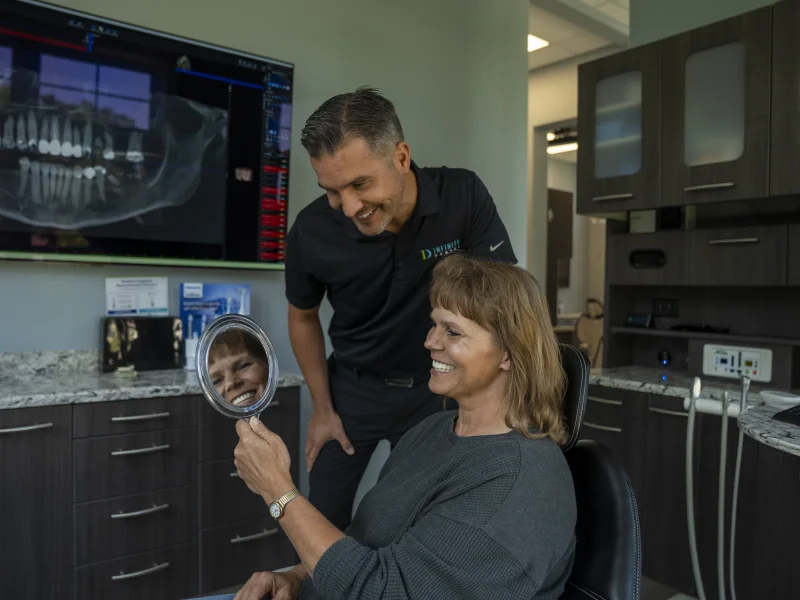
Understanding Dental Implants: What Is Involved in Implant Surgery?
Dental implants are advanced replacements for missing teeth, integrating seamlessly with your jawbone to restore both function and aesthetics. The dental implant placement procedure involves a small surgical step, where a titanium post is anchored into the jawbone, serving as an artificial tooth root. This creates a strong foundation for crowns, bridges, or dentures, ensuring a secure and natural-feeling result. Comprehensive planning, digital imaging, and customized treatment protocols are essential for reducing complications and delivering predictable, comfortable outcomes.
Dr. Jared Van Ittersum specializes in biologically conservative dental implant placement that preserves bone and gum tissue, avoiding the trauma of traditional methods. Patients benefit from shorter surgeries, minimal swelling, and improved long-term oral health. With highly qualified implant dentists and a patient-centered team, the healing process is guided every step of the way, giving patients peace of mind from consultation, through implant surgery, to final prosthesis delivery.
The Dental Implant Placement Procedure Step-by-Step
Preliminary examination and planning
Dental implant placement
Healing process
Final prosthesis delivery
Each step in the dental implant procedure is designed to maximize patient comfort and minimize trauma. During your initial exam, a comprehensive scan evaluates bone quality and oral health, ensuring suitability for implant placement. Surgery itself is performed with local anesthesia or optional sedation, making the level of pain virtually negligible. The healing process allows the implant and bone to fuse—a phase called osseointegration—which is typically comfortable thanks to precise surgical protocols. Finally, a custom prosthesis is fitted, restoring your full smile and chewing ability.
Patients with sufficient natural bone avoid the need for bone grafts, reducing both surgical time and recovery discomfort. Modern one-piece implants, like those in the All-on-Mono system, further streamline surgery, omitting the need for gum flaps or bone reduction. As a result, the implant site recovers faster, and patients often return to their regular routines within days.
Pain and Discomfort: Do Dental Implants Really Hurt as Much as People Say?
The main anxiety for prospective patients centers around the pain and discomfort associated with dental implant surgery. Compared to traditional dental procedures or even a tooth extraction, the perception of implant pain is frequently exaggerated. In reality, the vast majority of patients are surprised by how gentle the process is, especially when using minimally invasive surgical techniques and advanced pain management options.
During implant placement, the area is numbed completely with local anesthesia, making the experience painless. After the anesthesia wears off, some soreness or mild pain may be felt for a short time, but it is most often described as manageable—less intense and shorter in duration than the discomfort following tooth extraction. Comprehensive pain management protocols, which may include medications and aftercare instructions, ensure the most comfortable recovery possible.
Dental Implant Pain Versus Tooth Extraction Pain Experience
When comparing implant pain to the pain associated with tooth extraction, studies and patient testimonials consistently reveal that dental implant surgery is less traumatic. After a tooth is extracted, patients often experience more swelling, a more intense ache, and a longer duration of healing. Implants, on the other hand, are placed via a precision-guided, minimally invasive surgical procedure, causing far less disturbance to surrounding tissue. This means a lower pain level, milder swelling, and a much faster return to normal activities.
Patients report that discomfort from dental implant placement is typically concentrated around the implant site and is short-lived. The use of biologically conservative methods, like Dr. Van Ittersum’s All-on-Mono system, further diminishes tissue trauma and postoperative pain. Illustrated in the table below, you can see how different dental procedures compare in terms of pain experience and duration of discomfort.
Pain Level During and After Implant Surgery
Most patients are pleasantly surprised by how little pain they feel during and after their dental implant surgery. With powerful local anesthesia, patients experience no pain during the actual procedure. After surgery, the level of pain is commonly described as a mild ache or soreness, easily relieved with over-the-counter pain medication. Swelling is generally less pronounced than after a tooth extraction, and most patients can resume soft foods and normal conversations by the next day.
Comparison of Dental Procedure Pain Levels and Recovery |
||
Dental Procedure |
Pain Level (1-10) |
Duration of Discomfort (Days) |
|---|---|---|
Tooth Extraction |
5-7 |
5-7 |
Conventional Dental Implants |
4-6 |
3-5 |
All-on-Mono System |
1-3 |
1-2 |
As seen above, modern minimally invasive implant options, especially the All-on-Mono approach, set a new standard for comfort and rapid healing.
Factors Influencing Your Pain Experience with Dental Implants
Your experience with dental implant pain is influenced by several factors, including surgical technique, use of technology, and your unique oral health profile. Choosing a provider who uses advanced tools and up-to-date methods is critical for minimizing discomfort and creating an efficient healing process.
With Dr. Van Ittersum’s focus on preservation and technology—using detailed imaging, digital planning, and tissue-friendly mono implant systems—the risk of invasive trauma, undue pain, and long healing times is dramatically reduced. Personalized treatment ensures that your comfort and oral health are always the top priorities during implant surgery.
Impact of Technology and Surgical Technique
The biggest advances in the field have come from improved surgical techniques and the adoption of cutting-edge technology. High-definition imaging, computer-guided implant placement, and flapless surgery now allow for precision and minimal tissue disturbance. The All-on-Mono Full Arch System, developed and popularized by Dr. Van Ittersum, typifies this movement—emphasizing minimally invasive, tissue-sparing protocols. As a result, the amount of trauma experienced by the jawbone and gums is dramatically lowered, leading to less pain and swelling.
Techniques such as tissue-level implants and the use of flexible, bio-compatible materials (like monolithic titanium) not only fit the patient’s bone perfectly but also preserve gum health and prevent inflammation. These strategies minimize risks of infection or bone graft harvest—two common sources of prolonged pain in older systems. In effect, well-executed, technologically advanced dental implant surgery means patients enjoy a streamlined, comfortable healing journey.
Patient-Specific Considerations: Bone Health and Healing Process
Each patient’s experience with implant pain can be influenced by their underlying bone health, healing capacity, and the presence of conditions like diabetes or osteoporosis. Superior bone quality translates into greater implant stability and a more predictable recovery. Dr. Van Ittersum’s conservative approach ensures that patients with compromised bone do not face unnecessary surgical trauma or extended recovery time; in fact, his All-on-Mono method is often suitable for patients who have been told elsewhere that a bone graft is mandatory.
The healing process also depends on factors such as age, immune function, and overall oral health status. With proper assessment and tailored care, potential complications are minimized. Most patients transition through healing with only mild soreness that fades as the implant integrates with the jaw. The few who experience heightened discomfort are offered proactive support, detailed aftercare plans, and open lines of communication with the implant team.
"The key to comfort is preserving what nature intended. Our minimally invasive All-on-1 Mono system reduces trauma and pain for our patients." – Dr. Jared Van Ittersum, DDS
Modern Pain Management in Dental Implant Surgery
Advances in pain management have made dental implant placement a comfortable, stress-free process for nearly all patients. Institutions like Infinity Dental Implant Centers employ a combination of sophisticated anesthesia options and post-op recovery protocols, ensuring a virtually pain-free experience and swift return to daily activities. Your comfort and well-being are the central focus before, during, and after any implant procedure.
By customizing the approach to each patient’s needs, and leveraging state-of-the-art sedation and anesthesia, even those with dental anxiety can undergo dental procedures without fear. Effective pain medication options—paired with clear at-home instructions—ensure minimal discomfort throughout your recovery.
Techniques for Minimizing Dental Implant Pain and Discomfort
Advanced local anesthesia
Sedation options
Post-operative medications and home care tips
Advanced local anesthesia numbs the surgical area thoroughly, so most patients remain completely comfortable during the implant placement. For heightened anxiety or complex cases, moderate IV sedation or oral sedation provides a deeper level of relaxation—without compromising safety or recovery speed. After surgery, a custom regimen of over-the-counter or prescription pain medication, anti-inflammatories, and detailed home care ensures that even sensitive patients remain comfortable. Typical instructions include using cold packs, maintaining a soft diet, gentle oral hygiene, and avoiding strenuous activity for the first couple of days.
Patient communication is a priority: follow-up calls, checkups, and immediate support for any concerns ensure a positive outcome throughout the healing process. When combined, these techniques make dental implant procedures at leaders like Infinity Dental predictable and manageable—even for patients who have struggled with pain or dental fear in the past.
Comparing Conventional Dental Implants and All-on-1 Mono Implant Systems: Which Is Less Painful?
Not all dental implants are created equal. Conventional dental implants—and especially systems like All-on-4—often require significant bone reduction, gum flaps, and multiple surgical stages, elevating both pain levels and swelling. In contrast, Dr. Van Ittersum’s All-on-1 Mono system is engineered with patient comfort and rapid healing at the core. The design eliminates unnecessary trauma and achieves full-arch stability using less invasive, one-piece implants strategically placed to maximize support while sparing healthy bone and gum tissue.
As a result, patients experience reduced swelling, negligible pain, and a much faster return to eating, speaking, and enjoying daily activities. Those who previously feared dental implant surgery are consistently surprised at how gentle and straightforward the process feels with Mono Dental Implants.
Clinical Advantages: Mono Dental Implants and Minimally Invasive Implant Placement
Reduced need for bone reduction
No gum removal or flaps
Lower risk of prolonged swelling and pain
Faster return to normal lifestyle
Each of these advantages is rooted in Dr. Van Ittersum’s commitment to biologically conservative, high-tech solutions. By distributing bite forces across more implants, mono systems minimize both the risk of implant failure and the onset of complications like peri-implantitis. The thinner, lighter prosthetics increase comfort, while tissue-level placement preserves gum health, reducing inflammation and speeding up recovery. These improvements make All-on-Mono the preferred choice for anyone seeking a painless, durable, and natural-looking smile restoration.
Fast functional restoration—patients often leave surgery with a full set of temporary teeth and rapidly resume confidence in smiling, eating, and living life.
Healing Process: What to Expect After Dental Implant Surgery
The healing process following dental implant placement is a critical phase in achieving successful, long-lasting results. Most patients will notice only mild soreness at the implant site, which starts fading within 24–48 hours post-surgery. Swelling, if present, is typically minor and diminishes rapidly with regular use of cold compresses, proper rest, and adherence to your dental professional’s aftercare instructions.
Unlike traditional approaches that may entail weeks of significant discomfort, Dr. Van Ittersum’s All-on-1 Mono method allows the majority of patients to return to normal routines within days. Diet recommendations start with soft foods like yogurt and eggs, leaving you well-nourished and comfortable as your implants integrate. Physical activity and social engagements usually resume without delay, and full healing is marked by a gradually increasing sense of normalcy and comfort.
Typical Timeline for Pain and Recovery After Dental Implant Procedure
Dental Implant Healing Process Timeline |
||
Stage |
Sensation |
Duration |
|---|---|---|
Initial 24-48 Hours |
Mild-Moderate Ache |
1-2 days |
First Week |
Dull Soreness, Swelling |
2-7 days |
Second Week |
Improving Comfort |
7-14 days |
By the end of the first week, nearly all symptoms have resolved. If pain persists or intensifies beyond this period, your dental care team will support you with prompt evaluation and any necessary interventions.
When to Seek Help for Prolonged Implant Pain Experience
While it’s rare, some patients may encounter complications such as infection or delayed healing, indicated by ongoing or worsening pain beyond the typical recovery window. If you notice persistent swelling, difficulty chewing, fever, or severe discomfort at the implant site, it’s vital to contact your implant dentist immediately. Early intervention ensures a swift resolution and protects your investment in a healthy smile.
Remember: With the right provider and modern pain management methods, dental implant pain is both predictable and avoidable. Your comfort is always the ultimate priority.
Real Patient Stories: Quotes About Dental Implant Pain and Recovery
"I was surprised at how mild my discomfort was after the procedure—eating soft foods the next day!" – Infinity Dental Patient
Many individuals who dreaded dental implant surgery now share stories of unexpectedly easy recoveries, thanks to minimally invasive approaches. The combination of gentle hands, advanced technology, and patient-focused care redefines what’s possible after tooth loss—restoring confidence, health, and everyday joy.
Frequently Asked Questions: Do Dental Implants Really Hurt as Much as People Say?
How much does the dental implant procedure hurt?
Most patients report mild to moderate discomfort—significantly less than tooth extraction. Discomfort is brief, especially with advanced techniques and proper pain management.Is implant pain normal during the healing process?
Mild soreness or swelling around the implant site is normal and resolves within days. If you experience severe, prolonged pain, contact your implant dentist.How can you manage pain and discomfort after implant placement?
Follow your provider’s recommendations for pain medication, use ice packs, maintain a soft diet, and practice gentle oral hygiene until symptoms resolve.Are there long-term issues with dental implant pain?
Long-term pain is very rare with modern, well-placed implants. Persistent discomfort should be professionally evaluated, but most patients enjoy pain-free, stable results for decades.
People Also Ask: Common Concerns About Dental Implant Pain
How bad do dental implants hurt?
Most patients report the pain from dental implants is significantly less than expected. With Dr. Van Ittersum’s biologically conservative technique, the discomfort is typically mild—comparable to having a filling or less than a tooth extraction.
What is the pain scale for dental implants?
On average, patients rate the pain as 1–3 out of 10, with most discomfort occurring in the first 24–48 hours and resolving quickly, especially with Mono Dental Implants.
Does anyone regret dental implants?
While some patients may have initial anxiety, regrets are rare when the procedure is performed by an expert. Most patients experience profound improvements in confidence and quality of life after dental implant placement.
How bad does the implant hurt?
The implant procedure is generally described as causing minimal pain due to local anesthesia and advanced minimally invasive methods, with most discomfort resolving within 1–2 days.
Summary: Key Takeaways on Do Dental Implants Really Hurt as Much as People Say
Implant pain is usually much less than anticipated for most patients
Minimally invasive implant surgery—like All-on-1 Mono—offers superior comfort and faster healing
Proper planning, modern techniques, and expert care ensure a smooth and predictable recovery
Start Your Journey to a Comfortable, Lasting Smile
Experience the All-on-1 Mono Difference with Dr. Jared Van Ittersum. Call for a free consultation 616-843-5805.
Take the next step with the trusted experts at Infinity Dental Implant Centers and discover a new standard in implant comfort, healing, and long-term satisfaction.
Conclusion: With modern technology and biologically conservative techniques, dental implant pain is more myth than reality. Take action now and reclaim your healthy smile—comfortably, affordably, and for life.
When considering dental implants, many patients are concerned about the potential pain involved. However, modern dental techniques and anesthesia have significantly reduced discomfort during and after the procedure.
For instance, the article “Do Dental Implants Hurt? Learn More to Ease Your Fears” explains that during the implant procedure, local anesthesia ensures that patients feel no pain, though they might experience some pressure or uncomfortable sensations. Post-surgery, any discomfort is typically mild and manageable with standard pain relief methods. (dentaly.org)
Similarly, “Do Dental Implants Hurt? What to Expect” highlights that many patients report minimal discomfort, especially when adhering to post-operative care instructions. Testimonials often describe the procedure as less painful than anticipated, with some comparing it to the sensation of a tooth extraction. (dentalateliers.com)
If you’re serious about understanding the pain associated with dental implants, these resources provide valuable insights to ease your concerns. You can learn more at drjaredvanittersum.com.



Write A Comment